You have probably heard photographers rave about back button focus. They insist it changed their photography forever. They cannot imagine going back to the "regular" way.
Then you try it, and it feels awkward. Wrong, even. You miss shots because your thumb forgets to do its job. So you switch back to normal and wonder what all the fuss was about.
Back button focus is not magic, and it does not make your photos sharper by itself. What it does is solve specific problems that some photographers face constantly and others rarely encounter at all.
This guide covers exactly what back button focus does, the real problems it solves, and whether those problems are problems you actually have. It's one of the more specialized topics in our sharp photos guide, because adopting a technique that does not fit your shooting style is just a distraction, not an upgrade.
What Back Button Focus Actually Does
By default, your camera focuses when you half-press the shutter button. Press halfway, the camera focuses. Press all the way, the shutter fires. Focus and capture are linked to the same button.
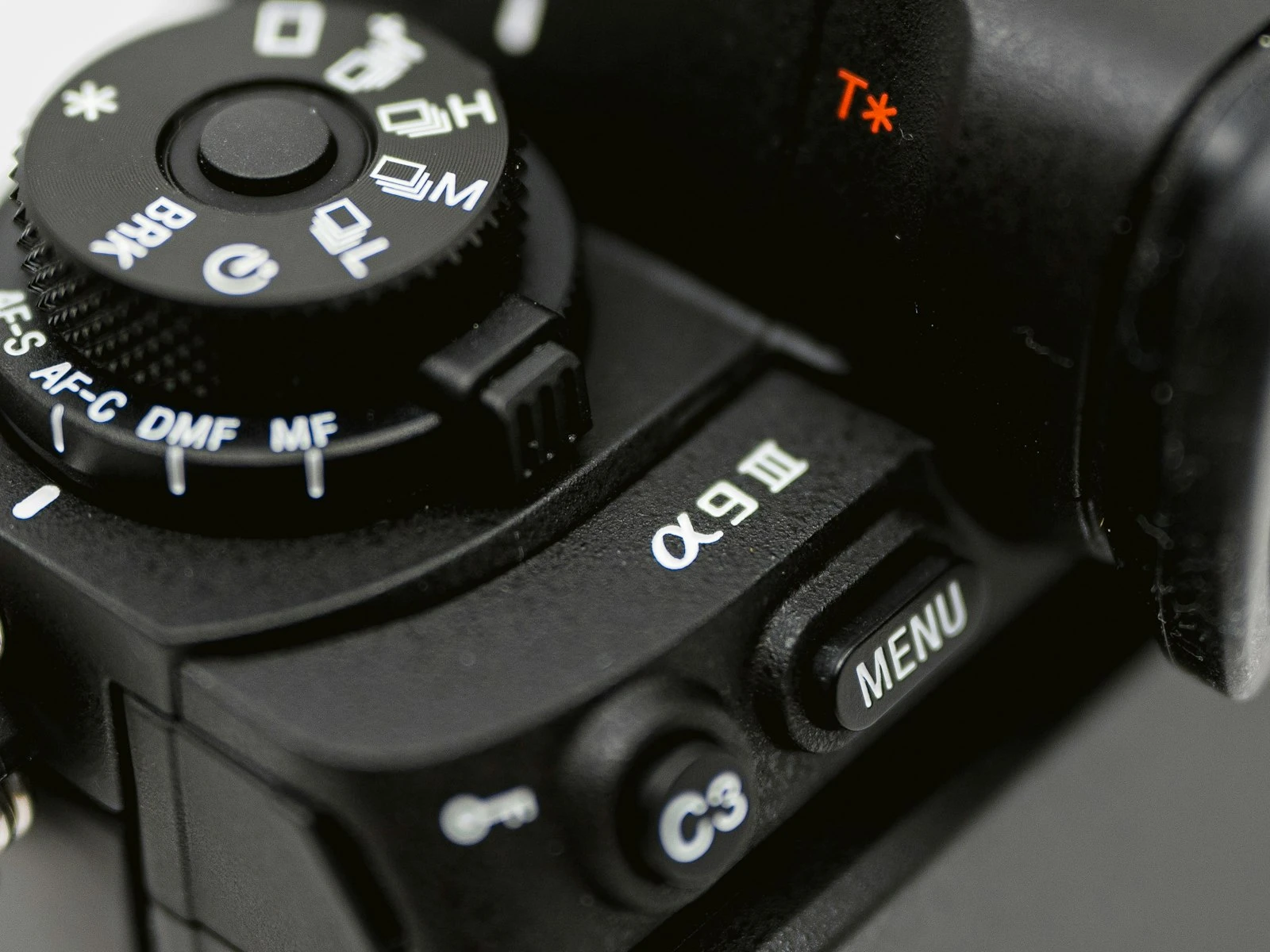
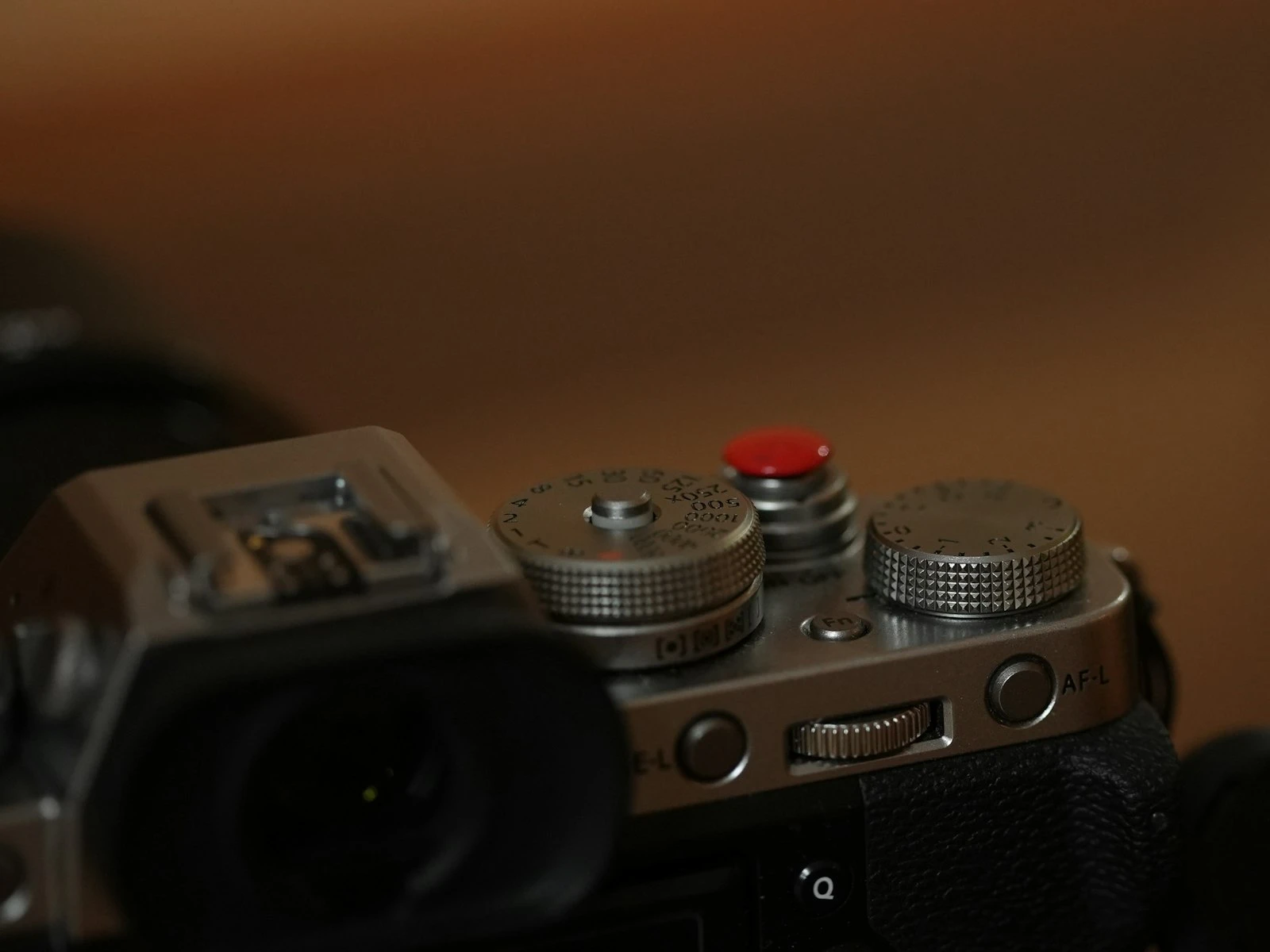
Back button focus separates these two actions. You assign focusing to a button on the back of the camera (usually the AF-ON button, or you can often repurpose the AE-L/AF-L button). Now the shutter button only fires the shutter. It does not focus at all.
That is the entire change. Focus moves to your thumb. Shutter stays with your index finger. Two separate controls for two separate functions.
It is a simple concept with significant implications.
The Default Behavior Problem
To understand why anyone would want this change, you need to understand the frustration that drives it.
With standard half-press focusing, your camera refocuses every time you press the shutter halfway. Every single time. This creates problems in specific situations.
The Recomposing Problem
You want to photograph someone standing off-center in your frame. With single-point AF centered, you focus on their eye, then recompose to move them to the side of the frame.
But you are still half-pressing the shutter to keep focus locked. If your finger relaxes even slightly, focus unlocks. When you press again to shoot, the camera refocuses on whatever is now under your center point. Probably the background behind your subject.
You can hold that half-press perfectly. Many photographers do. But it requires constant attention to finger pressure while you are also thinking about composition, expression, and timing.
The Moving-Then-Still Problem
You are photographing a child running around the yard. Continuous AF tracks them beautifully. They stop, you want to capture a candid moment of them standing still. But you are still in continuous AF mode, so the camera keeps hunting for motion. Or you switch to single AF, and the next moment they are running again.
With half-press focusing, switching between these scenarios means either changing AF modes constantly or accepting that one type of shot will be harder than the other.
The Precise Focus Then Wait Problem
You are shooting portraits and want exact focus on the near eye. You focus carefully, nail it. Then you wait for the right expression, and keep waiting. Your subject blinks, shifts, talks to someone off camera. You are still waiting.
When the perfect moment arrives, you have to either trust that nothing has changed and fire, or refocus and hope you can nail the eye again while also catching the expression. Half-pressing for extended periods is physically uncomfortable and mentally taxing.
These are the problems back button focus addresses.
How Back Button Focus Changes Things
When focus is on a separate button, several things change.
Focus and shoot become independent. Press the back button, focus locks. Let go, focus stays locked. Press the shutter, just the shutter, and the camera fires at that focus distance. You can wait indefinitely between focusing and shooting without holding anything.
Single AF and continuous AF merge. With back button focus, you do not need to switch between these modes anymore, which surprises most people. Leave your camera in continuous AF.
If you want single-shot behavior, press the back button once, let go, and shoot. Focus locks when you release.
If you want continuous tracking, hold the back button while shooting and focus will track.
Same mode setting, two different behaviors, controlled entirely by how you use the button.
Recomposing becomes natural. Focus with your thumb, release, recompose freely with no buttons pressed, then fire when ready. There is no half-press to maintain. No tension in your trigger finger. Your composition hand is free to work.
The Real Benefits (And Who Gets Them)
Back button focus offers several genuine advantages, but they matter more to some photographers than others.
Benefit 1: True Focus-Then-Recompose
For photographers who frequently place subjects off-center, back button focus removes the half-press dance entirely. Focus, release, recompose, wait as long as you need, shoot.
This matters most for: Portrait photographers, environmental portrait work, wedding photographers during ceremonies and posed shots, anyone who composes deliberately.
This matters least for: Photographers who keep subjects centered, those who use joystick controls to move focus points to the subject instead of recomposing.
Benefit 2: Instant Mode Switching
Instead of changing from AF-S to AF-C in menus or with custom buttons, you control tracking behavior with thumb pressure. This is genuinely faster once it becomes instinctive.
This matters most for: Event photographers, wedding photographers, and sports shooters, anyone moving constantly between static and moving subjects.
This matters least for: Photographers who shoot mainly one type of subject (all landscapes, all action sports, all studio portraits).
Benefit 3: Manual Focus Override Without Switching
When back button focus is active and you are not pressing the button, the camera is not trying to focus. You can grab the focus ring and adjust manually without fighting the AF motor or switching the lens to manual mode.
This matters most for: Photographers working in conditions where AF struggles, such as low light, low contrast, or through obstructions. Also useful for precise manual adjustments in macro work.
This matters least for: Photographers whose AF systems reliably nail focus in their typical conditions.
Benefit 4: Focus Lock Without Lock Buttons
Need to hold focus at a specific distance while waiting for a subject to enter the frame? Just focus once and stop pressing the button. Focus stays there until you tell it otherwise.
This matters most for: Street photographers prefocusing on a spot, sports photographers focused on a specific zone, wildlife photographers waiting at a watering hole.
This matters least for: Photographers who always focus immediately before shooting.
How to Set Up Back Button Focus
The specific menu path varies by camera manufacturer and model, but the principle is universal:
Step 1: Disable shutter button focus. Find the setting that controls what the shutter button does on half-press. Change it from "meter and focus" to "meter only" (or disable focus entirely).
Step 2: Ensure AF-ON works. Most cameras have an AF-ON button that already initiates focus. With shutter focus disabled, this button becomes your only way to autofocus.
Step 3: Set your AF mode to continuous. This lets you control tracking vs single-shot behavior entirely through button pressure.
On Canon cameras, look in Custom Functions for "Shutter/AE lock button" options. On Nikon, check Custom Settings Menu under Autofocus, then "AF activation." On Sony, look in Custom Key Settings or Setup menu for focus control options.
Consult your specific camera's manual if you cannot find it. The setting exists on virtually every camera made in the last fifteen years, but the location varies wildly.
The Workflow Changes You Need to Accept
Switching to back button focus is not just a menu change. It requires rewiring muscle memory, and several things change in practice.
Your thumb has a new job. Every shot now requires conscious thumb action to focus. At first, you will forget. You will press the shutter expecting focus and get nothing. You will miss shots.
Half-press becomes meaningless for focus. Years of half-press habit will fight you. Your finger will press halfway expecting something to happen, but nothing does.
You lose one-handed operation. With default focusing, you can hold the camera with one hand and focus and shoot with one finger. Back button focus requires your thumb on the back and finger on the shutter simultaneously. One-handed snapshots become impossible.
You need to trust your focus. With no half-press confirmation, you cannot half-heartedly check focus before each shot. You focus deliberately, then trust it until you focus again.
These are real adjustments, even if they are not dealbreakers. Underestimate them and you will abandon the technique during the awkward transition period.
Who Benefits Most From Back Button Focus
Based on shooting style rather than skill level, back button focus tends to help most in these scenarios:
Event and wedding photographers. The constant switching between posed and candid, static and moving, makes the instant mode-switching invaluable.
Portrait photographers who recompose. If you focus then move the camera to place subjects off-center, back button removes the half-press juggle.
Photographers working with unpredictable subjects. Kids, pets, wildlife, anything that alternates between motion and stillness benefits from the flexible tracking control.
Photographers who prefocus. Street photography zone focusing, sports photographers focused on a specific spot, anyone who focuses before the subject arrives.
Photographers in challenging AF conditions. Low light, low contrast, shooting through obstacles. The easy manual override is genuinely useful.
Who Might Not Need It
Back button focus is not universally superior, and some photographers genuinely do not benefit.
If you always focus immediately before shooting. Half-press focus works fine for this workflow. The separation adds complexity without benefit.
If you primarily use subject tracking. Modern eye-detect and subject tracking modes handle the focus-while-shooting workflow automatically. Separating focus from shutter matters less when the camera is making continuous decisions regardless.
If you shoot primarily static subjects. Landscapes, architecture, products. If your subjects do not move and you have time to get everything in focus deliberately, back button focus adds a step without adding capability.
If you value simplicity. One button doing two related things is simpler than two buttons doing one thing each. If your current system works and you are not fighting it, complexity for its own sake is not improvement.
If you hand your camera to others. Giving someone your camera for a quick photo becomes an explanation session. "No, the shutter does not focus. Press this button first." Sometimes convenience matters more than optimization.
The Learning Curve Reality
Expect two to four weeks of awkwardness. This is not a weekend project.
During the transition, you will miss shots you would have nailed with half-press focus. Your keeper rate may actually drop before it improves. This is normal and does not mean back button focus is wrong for you. It means you are still building the habit.
The danger point is week one. Everything feels broken. You start questioning whether this technique is worthwhile at all. Most people who abandon back button focus abandon it here, before the benefits emerge.
If you commit, commit for at least a month. Shoot only with back button focus during this period. Do not switch back and forth, because that just extends the awkward phase indefinitely.
After the transition, the technique either clicks or it does not. If you find yourself naturally using the thumb-then-finger workflow without thought, it has become part of your system. If you are still fighting it after six weeks, it may genuinely not fit your style, and that is fine.
Making the Decision
This framework can help you decide.
Try back button focus if:
- You frequently recompose after focusing
- You shoot mixed situations with both static and moving subjects
- You prefocus and wait for subjects
- You wish you could switch between tracking and single focus faster
- Your autofocus modes constantly feel like the wrong choice for the moment
Stick with half-press focus if:
- Your current workflow does not frustrate you
- You primarily shoot one type of subject
- You value simplicity and predictability
- You often hand your camera to others
- Modern subject tracking handles your needs well
There is no wrong answer. The best focus method is the one that disappears into your shooting, the one you do not think about because it just works.
Key Takeaways
- Back button focus separates focusing from the shutter button, letting you lock focus once and recompose without the camera refocusing when you shoot.
- It solves the focus-recompose problem at wide apertures where the camera refocusing on half-press shifts the focus plane between composing and shooting.
- Back button focus is most valuable for photographers who frequently switch between static and moving subjects without wanting to change AF modes.
- Give it at least a week of consistent practice before deciding whether it works for your shooting style, since the initial awkwardness is normal.
More in This Guide
Continue exploring focus techniques and sharpness strategies.