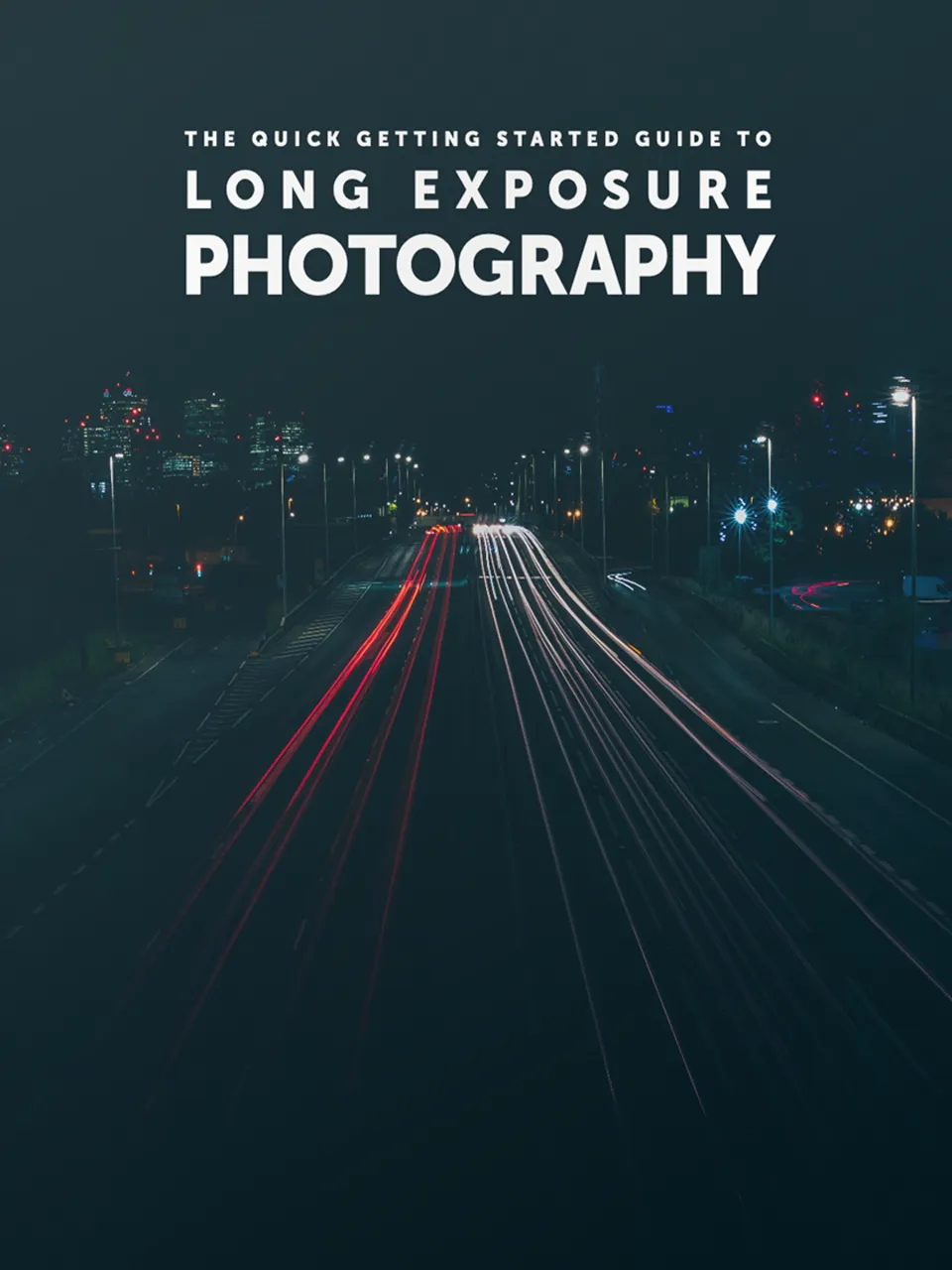
Long Exposure Photography Guide cover
Free Download

Download Your Free Long Exposure Guide

Learn everything you need to get started with long-exposure photography and capture images you're proud to show the world!

    Join a community of photographers. It's free. Unsubscribe anytime.

    Ever wanted to capture stunning long exposure photographs?

    Imagine picking up your camera, finding a location, and then capturing breathtaking long-exposure images. Wouldn't that be great?

    This quick getting started guide will show you the techniques and concepts that pros use to shoot stunning images of the Milky Way, dreamy waterfalls, and more.

    This guide was designed to be best viewed on a computer, tablet, or smartphone. You can bring it with you anywhere you go.
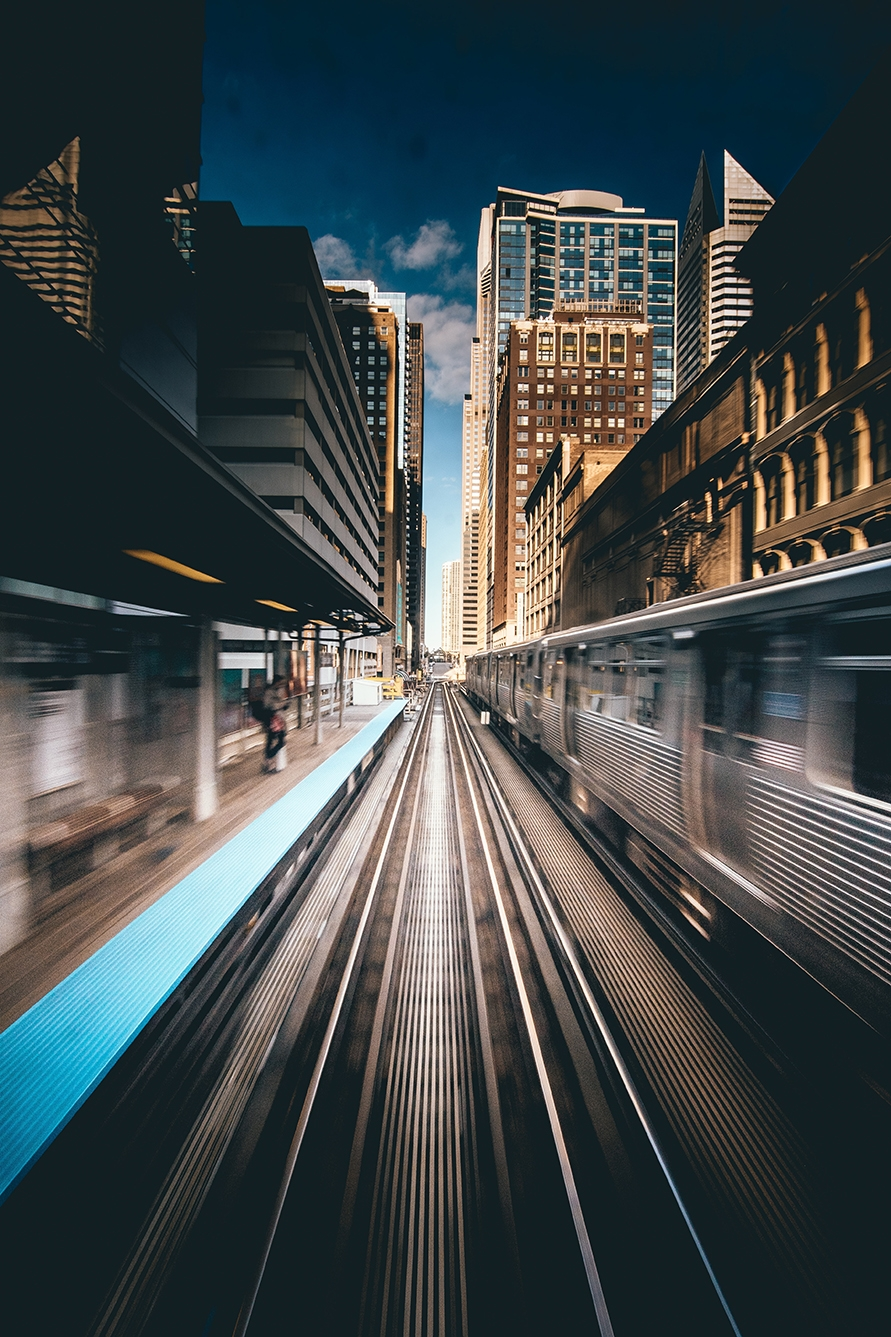
    Long exposure photograph example

    Frequently Asked Questions

    It depends on the light. During the day, an ND (neutral density) filter is essential because it reduces the amount of light entering your lens, allowing you to use slower shutter speeds without overexposing the image. At night or in very low light, you can often achieve long exposures without any filter at all. If you are unsure which ND filter strength to use, try working out the right ND filter for your scene.
    There is no strict cutoff, but most photographers consider anything slower than about 1/2 second to be a long exposure. Once you get into the 1 to 30 second range (and beyond), you start seeing the classic effects like silky water, light trails, and smooth cloud movement. Our guide to shutter speed explains how different speeds affect your images.
    For very short long exposures (around 1/2 to 1 second), you might get away with bracing your camera on a solid surface. But for anything longer, a tripod is practically a requirement. Even the steadiest hands will introduce visible camera shake at multi-second shutter speeds.
    Yes. Nighttime long exposures are one of the most popular uses of the technique. Because there is so little ambient light, you can leave the shutter open for seconds or even minutes without an ND filter. This is how photographers capture star trails, the Milky Way, and city light trails.
    Both help you calculate the longest shutter speed you can use before stars start to trail. The 500 rule is a simple formula: divide 500 by your focal length to get the maximum exposure time in seconds. The NPF rule is more precise and factors in your sensor resolution, aperture, and focal length. The NPF rule gives more accurate results, especially with modern high-resolution sensors.
    Start by using a low ISO (100 or 200) and a narrow aperture (f/11 to f/16). If the image is still too bright, add an ND filter to cut the light further. Checking your histogram after each shot is the most reliable way to confirm your exposure is balanced. The guide covers this workflow in detail.

    Don't wait, download it now!

    Join the DailyPhotoTips newsletter and download your free Quick Getting Started Guide to Long Exposure Photography today. Learn everything you need to know to get started!

      Join a community of photographers. It's free. Unsubscribe anytime.