Every time you change your aperture, you're making a tradeoff. You're choosing between how much of your scene stays sharp and how much light reaches your sensor. You're deciding whether to isolate your subject or show the full context. You're balancing creative intent against practical constraints.
This is the part most photography guides skip. They'll tell you aperture is measured in f-stops. They'll explain the physics of light passing through glass. But they won't tell you when to use f/2.8 versus f/8, or why your choice matters for the specific photo you're trying to make.
That's what we're going to cover here, the actual decisions you face every time you shoot. This is one of the most important topics in our complete camera settings guide, and for good reason.
The Real Choice You're Making
Every time you spin that aperture dial, you're making two decisions at once.
Decision one: How much of your scene do you want in focus?
Decision two: How much light can you afford to let in?
These two things are connected, and they often pull in opposite directions. A wider aperture (like f/1.8) lets in tons of light but turns everything except your focus point into blur. A narrower aperture (like f/11) keeps nearly everything sharp but starves your sensor for light.
Neither is better, they're just different tools for different situations.
Aperture is the first creative decision I make after I decide what I'm shooting. Before I even think about shutter speed or ISO, I'm asking myself: "What do I want sharp, and what do I want to fall away?"
The answer to that question drives everything else.
Depth of Field as Creative Control
Depth of field is the zone of acceptable sharpness in your image, the area from front to back that looks focused. Your aperture is the primary control for this zone.
But depth of field is really how you direct attention, and that matters more than any technical definition.
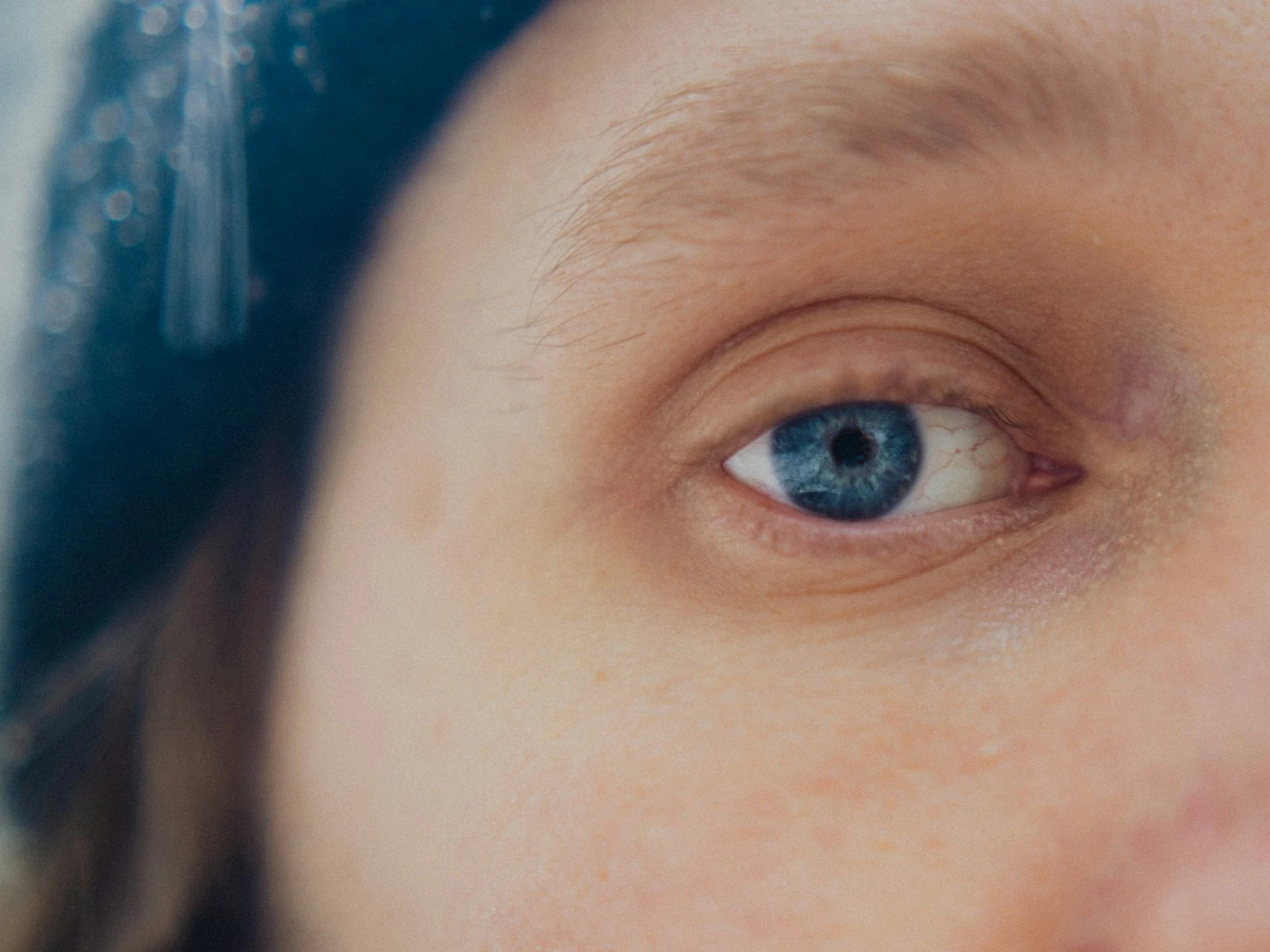
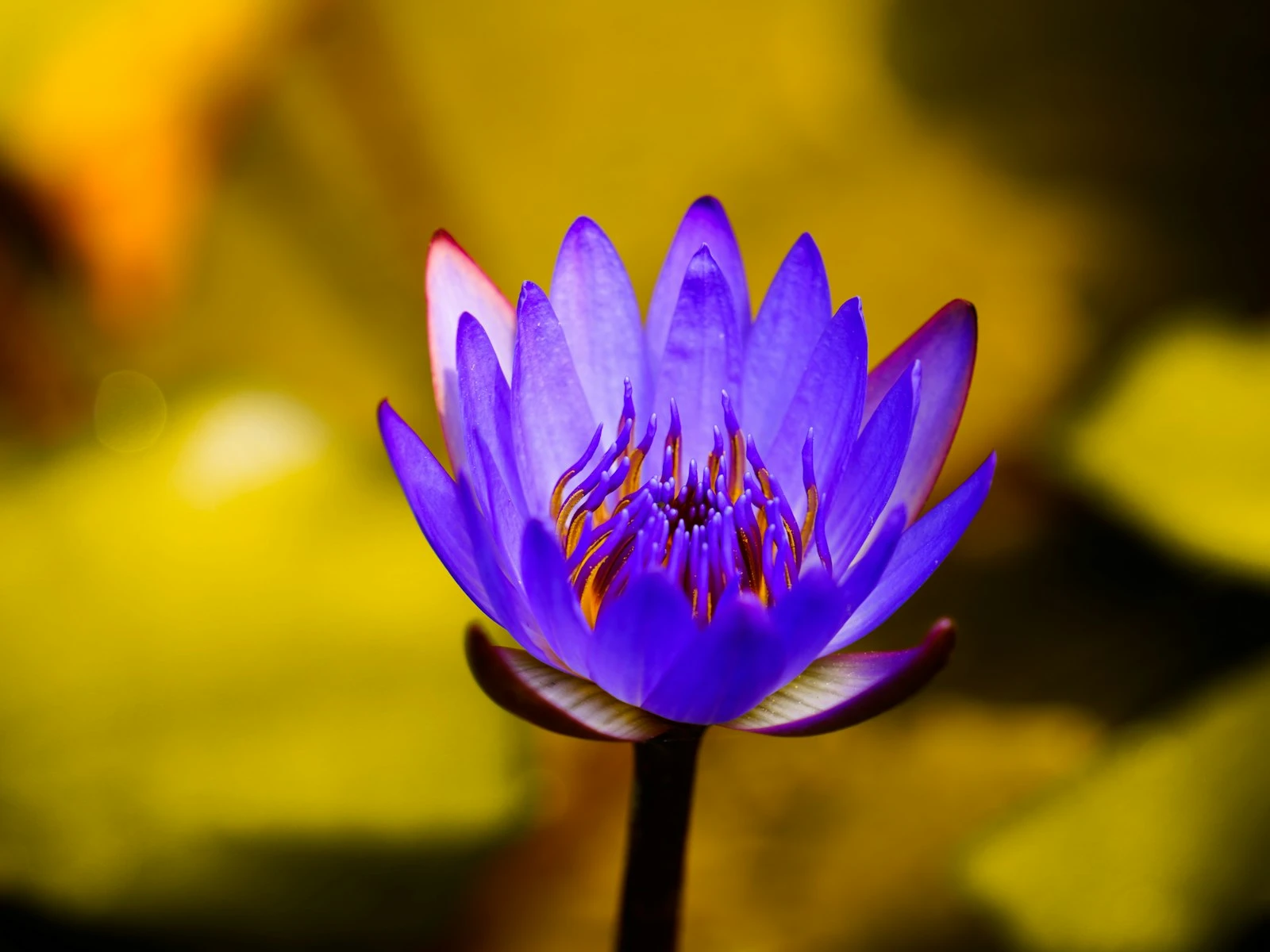
When you shoot at f/1.8, you're telling your viewer exactly where to look. That person's eye is sharp; everything else dissolves into soft color and shape. There's no ambiguity. You've made the choice for them.
When you shoot at f/11, you're saying: "Look at all of this. It all matters." The foreground rock, the middle-ground river, the distant mountains. Everything competes for attention. The viewer's eye wanders, exploring.
Neither approach is right or wrong. But you need to know which one you're choosing and why.
Here's my general framework:
- When there's one clear subject, I lean toward wider apertures (f/1.8 to f/4)
- When the environment is the subject, I lean toward narrower apertures (f/8 to f/11)
- When I'm unsure, I shoot both and decide later
That last point matters because aperture choices aren't always obvious in the moment. Sometimes you need to see the photos on a bigger screen before you know which approach worked.
If you're curious how much will actually be sharp at a given aperture, checking your depth of field for that lens and distance takes the guesswork out.
The Light Tradeoff
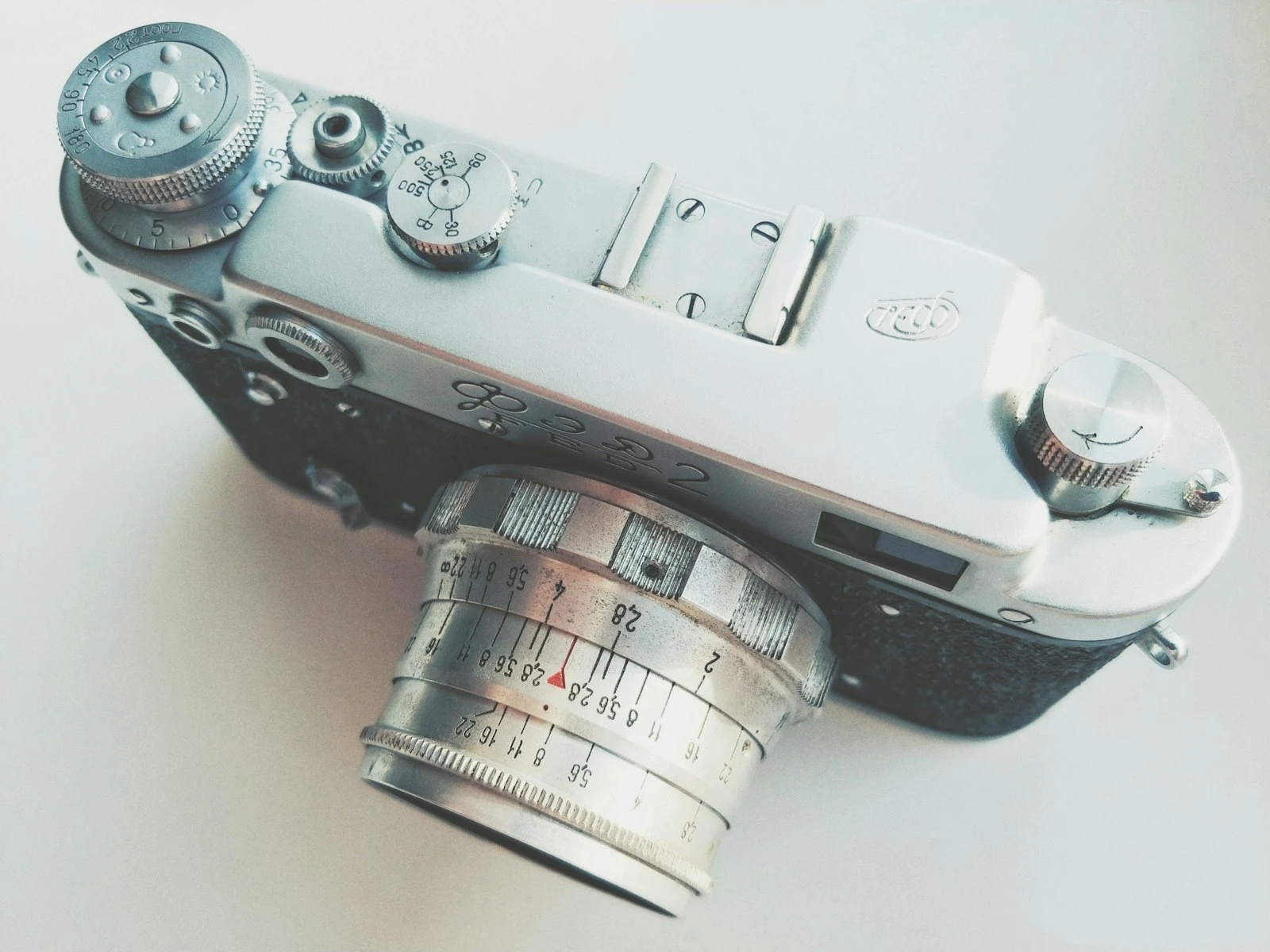
This is where aperture gets tricky. Every stop you close down cuts your light in half. Every stop you open up doubles it.
That might sound like a minor technical detail, but it has real consequences for your photography.
Shooting in low light? You might need f/1.8 or f/2.8 just to get a usable exposure without cranking your ISO into noisy territory. Your creative preference for f/8 doesn't matter if f/8 produces an unusable image.
Shooting in bright sun? You might hit your camera's fastest shutter speed at wide apertures. If you want f/1.4 for that creamy background blur, you might need an ND filter to avoid overexposure.
Shooting action? You need fast shutter speeds, which means you need more light, which often means wider apertures than you'd otherwise choose.
This is the tension that drives most aperture decisions. I might want f/8 for a landscape, but if it's twilight and I'm handholding, I might need f/4 to keep my shutter speed fast enough.
Understanding this tradeoff is how you move from technically correct exposures to getting the photos you actually wanted.
Common Aperture Decisions for Real Situations
Let me walk through how I actually think about aperture in specific scenarios. These are starting points that work for me, not strict rules.
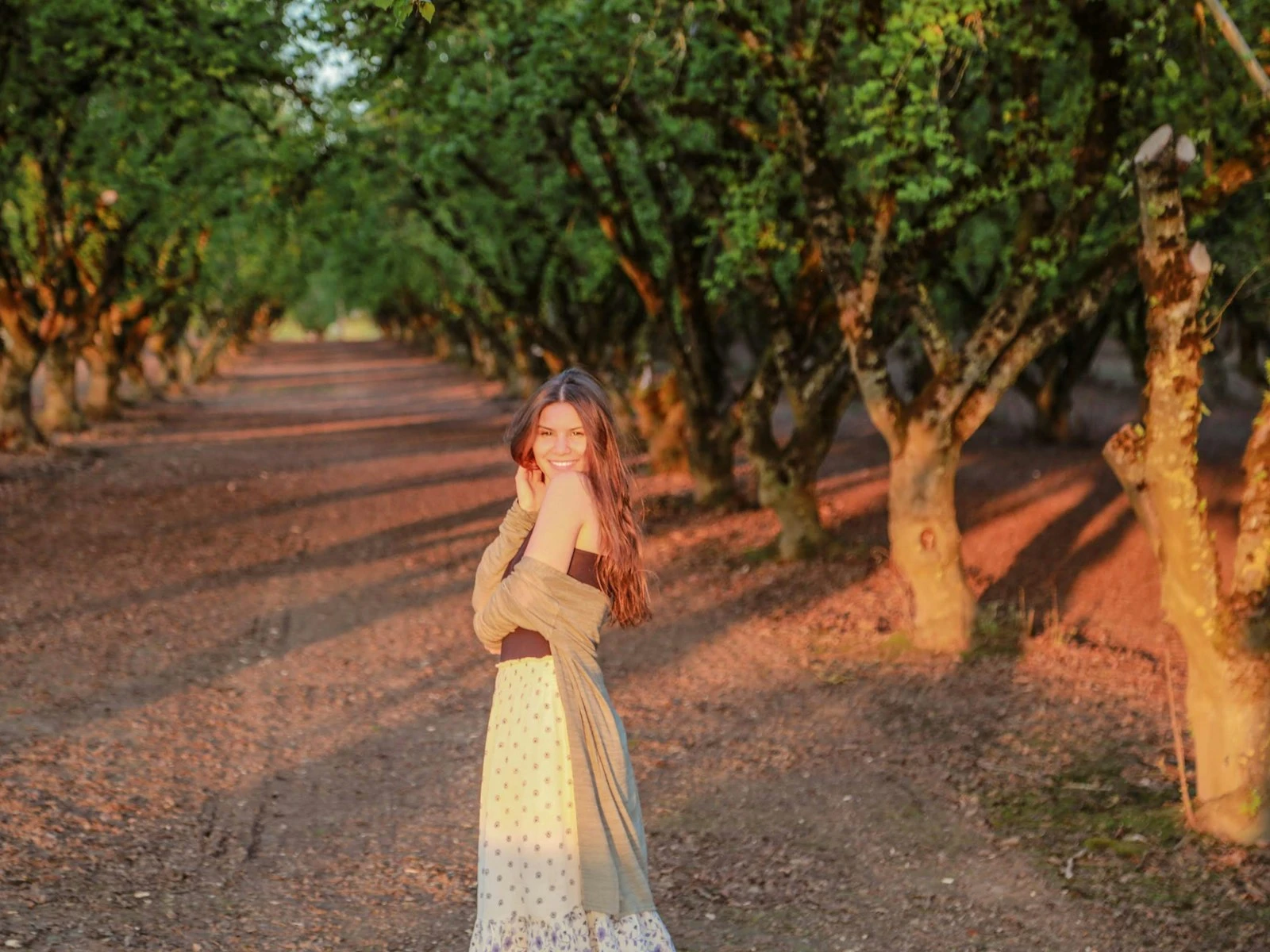
Portraits: f/2.8 to f/4
I usually start at f/4 for portraits because it gives me enough depth of field to keep both eyes sharp (even if my subject turns slightly), while still providing good subject separation from the background.
If I want more blur, I'll open up to f/2.8 or wider. But I've learned the hard way that shooting portraits at f/1.4 means your focus needs to be perfect. Miss by a centimeter and you've got a sharp ear and a soft eye, which is rarely what you want. Portrait settings that balance blur with reliable focus are worth knowing.
The exception: Group portraits. Three or more people at f/2.8 means someone's probably out of the focus plane. I'll stop down to f/5.6 or f/8 depending on how deep the group is arranged.
Landscapes: f/8 to f/11
Landscape photographers obsess over sharpness, and for good reason. You want to print these big, and soft corners are unforgiving at large sizes.
I shoot most landscapes between f/8 and f/11. This range hits the sweet spot for most lenses, delivering maximum sharpness across the frame without running into diffraction (where light bending around the aperture blades actually reduces sharpness).
The exception: Landscapes with close foreground elements. If there's a rock two feet in front of my lens and a mountain a mile away, I might need f/16 or even focus stacking to get everything sharp. But I treat f/16 as a last resort, not a default.
Street Photography: f/5.6 to f/8
Street photography happens fast, and you don't always have time to nail focus, especially with moving subjects at unpredictable distances.
I often preset my camera to f/5.6 or f/8 and use zone focusing, setting a distance manually and knowing that anything within a certain range will be acceptably sharp. This works best in good light, where these apertures don't force slow shutter speeds.
The exception: When I want a specific look. Sometimes street photography benefits from that isolated, wide-aperture aesthetic. But I treat that as an intentional choice, not a default.
Low Light Without Flash: As Wide As Needed
Here's where creative preferences meet practical reality. Shooting indoors without flash, at an event, in a dim restaurant, you often need every photon you can get.
I'll shoot at f/1.8 or f/1.4 in these situations not because I want the shallow depth of field, but because I need the light. The blur becomes a consequence, not a choice.
That's perfectly fine, so work with what you have. A slightly-too-blurry photo is usually better than a sharp photo ruined by noise or motion blur from a shutter speed that's too slow.
Products and Food: f/4 to f/8
Product and food photography usually benefit from showing detail. You want to see the texture of that bread crust, the condensation on that glass, the stitching on that leather bag.
I typically shoot between f/4 and f/8 depending on how much depth the scene has. A flat-lay can work at f/4. A three-quarter angle with items at different distances might need f/8 or beyond.
The exception: When you want the "hero item + supporting blur" look that's popular in food photography. That's intentionally wider, maybe f/2.8, with careful arrangement to put your hero in the focus plane.
When the "Rules" Don't Apply
I've given you a lot of starting points. Now let me tell you when to ignore them.
The rules don't apply when you have a specific vision. If you want a portrait at f/11 to show environmental context, shoot it at f/11. If you want a landscape at f/2.8 to create an abstract blur of color, do that. Starting points exist to give you something useful when you're not sure what you want. When you are sure, trust your instinct.
The rules don't apply when conditions force your hand. Low light, fast action, extreme distances. Sometimes physics makes the choice for you. Working within constraints is part of the craft. Professional photographers deal with constraints constantly.
The rules don't apply when you're experimenting. Some of my favorite photos came from deliberately breaking patterns. Shooting a portrait at f/16 to show the chaotic room behind them. Shooting a landscape at f/1.4 to turn it into abstract shapes. Experimentation is how you develop your own visual style.
The goal is to understand the tradeoffs well enough that you can make quick, confident decisions and know when to break your own patterns.
Putting It Into Practice
On your next shoot, before every photo, consciously ask yourself: "What do I want sharp, and what am I willing to sacrifice for it?"
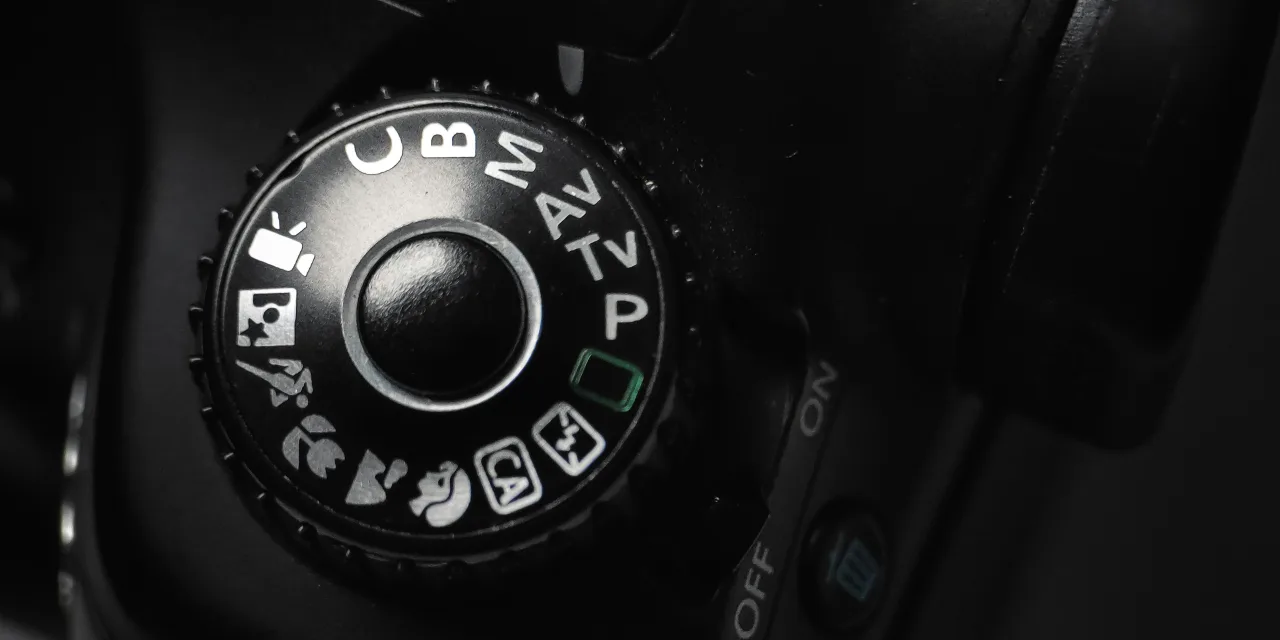
Don't just spin the dial to get correct exposure. Think about whether your aperture choice serves the photo you're trying to make. If manual mode still feels overwhelming, aperture priority lets you control this one decision while the camera handles the rest.
You'll find that this simple question changes how you approach almost every shot. It forces you to have intention. And intentional photos, even imperfect ones, are almost always more compelling than technically correct photos made without thought.
Key Takeaways
- Choose aperture based on what you want sharp: wide apertures (f/1.8-f/4) for subject isolation, narrow apertures (f/8-f/11) for full-scene sharpness.
- Every stop you close down cuts light in half, so balance your creative preference against practical light requirements.
- Use f/4 as a reliable portrait starting point and f/8-f/11 for landscapes, then adjust for your specific scene.
- When conditions force your hand (low light, fast action), accept the aperture physics demands rather than fighting for an impossible setting.
- Before every shot, ask yourself "what do I want sharp and what am I willing to sacrifice for it?"
More in This Guide
Continue exploring camera settings to build a complete understanding.
Related Guides