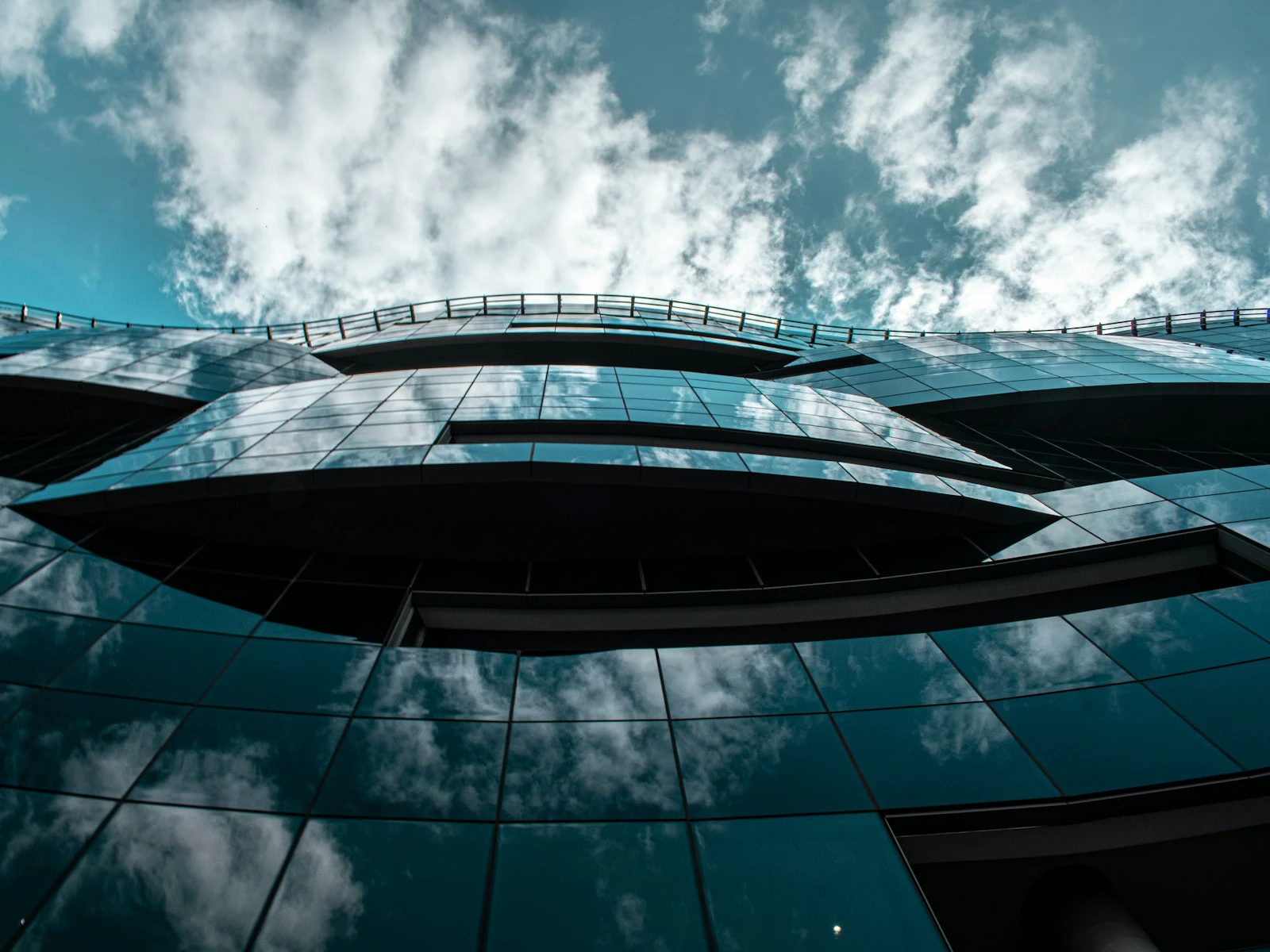
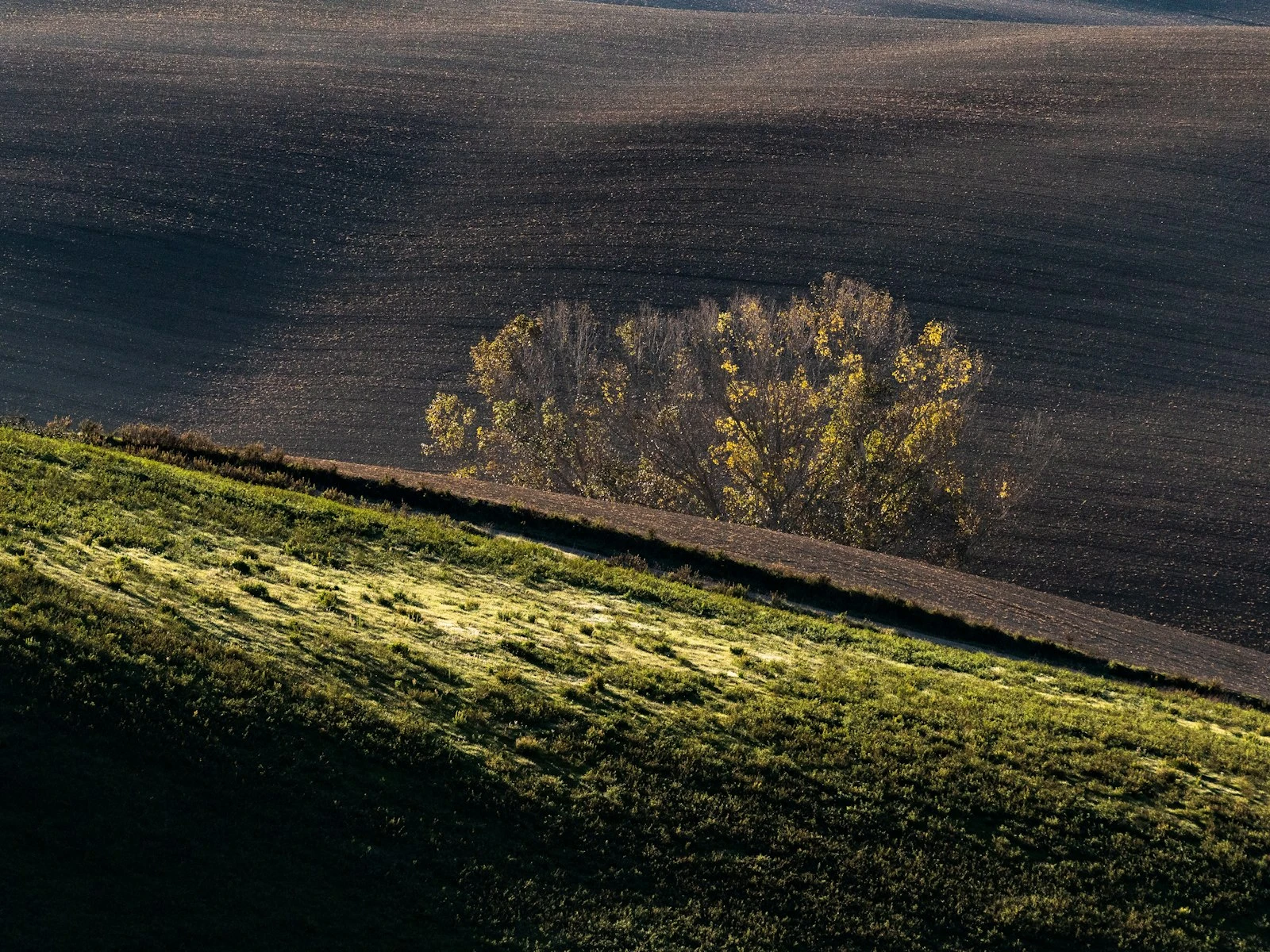
Every photograph asks your viewer a silent question.
Where should I look?
Strong composition answers that question clearly. Weak composition leaves viewers wandering, confused, or worst of all, uninterested.
Most composition advice teaches you rules to memorize, like the rule of thirds, leading lines, and the golden ratio. You learn the vocabulary, apply it mechanically, and wonder why your photos still feel flat.
Composition is a decision-making process. Every choice you make, from where you stand to what you include to what you leave out, either clarifies your answer or muddies it.
This guide teaches composition as the art of directing attention.
The Only Composition Question That Matters
Before you think about thirds or symmetry or negative space, ask yourself what you want people to see.
Not what's in front of you. Not what's technically impressive. What do you want the viewer's eye to find, linger on, and remember?
That answer changes everything, because if you want viewers to see a person's eyes, you compose differently than if you want them to see loneliness. If you want them to see the scale of a mountain, you compose differently than if you want them to feel the danger of a cliff edge. Landscape composition and portrait composition are built on the same principles, applied to very different subjects.
Every composition technique in this guide serves that central question. Leading lines guide the eye somewhere specific. Negative space creates breathing room around something important. Framing isolates what matters from what doesn't.
The direction is always the point, not the technique itself.
Why "Rules" Create Mediocre Photos
The rule of thirds, the golden ratio, the rule of odds, and every other compositional guideline you've encountered all have value.
They become a problem when you treat them as rules instead of tools.
When you place your subject on a thirds intersection because that's the rule, you're composing on autopilot instead of asking what this particular image needs. You're applying a formula and hoping it works.
Sometimes it does. The rule of thirds exists because that placement often creates pleasing visual tension. But "often" isn't "always."
Centered subjects create power, stability, and directness. Extreme edge placement creates unease and tension. Breaking the thirds "rule" is simply a different answer to the same question.
The photographers who create compelling images learned what each choice communicates and then made deliberate decisions based on what they wanted to say.
Composition as Visual Hierarchy
Think of your photograph as a conversation. You can't say everything at once, so you need to establish what matters most, what supports that main idea, and what provides context.
This is visual hierarchy, and it's the framework that makes composition decisions clearer.
Primary subject: What's the single most important element? Everything else serves this.
Secondary elements: What supports or explains the primary subject? A person's hands might be secondary to their face. A winding path might be secondary to the destination.
Context: What establishes the world this image lives in? Background, environment, surrounding space.
What to eliminate: What competes with your hierarchy without contributing to it?
When you're struggling with a composition, you usually have a hierarchy problem. Either you haven't decided what's most important, or multiple elements are fighting for the primary position.
Solve the hierarchy first, and the technique choices follow naturally.
The Attention Tools
Every composition technique is an attention tool, and the major ones each work differently.
Placement (rule of thirds, centering, horizon placement): Where your subject sits in the frame changes its relationship to the viewer. Centered subjects confront us directly. Off-center subjects exist in a larger world. Edge placement creates tension and movement.
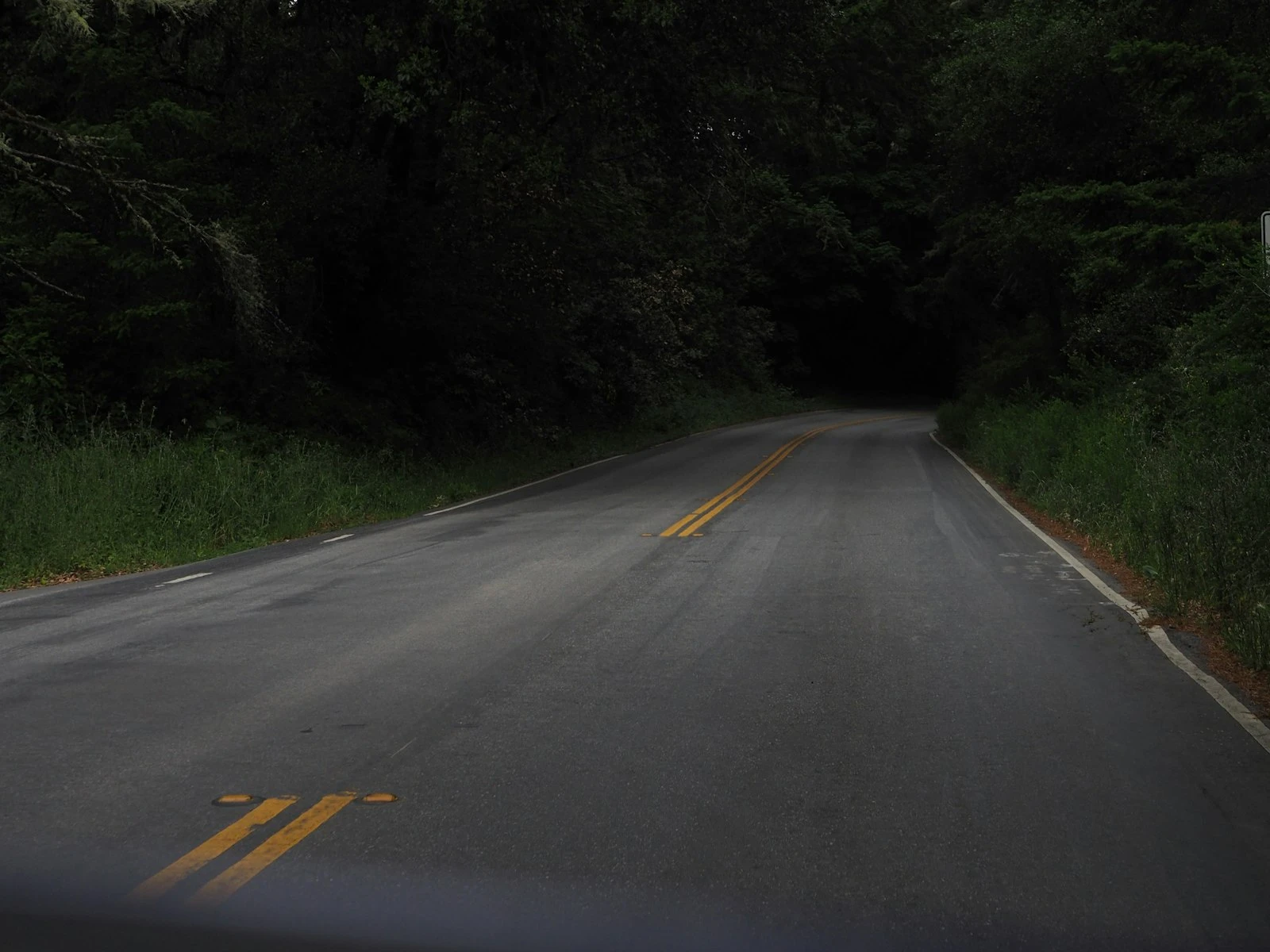
Lines (leading lines, diagonals, curves): Lines move the eye. You can guide viewers toward your subject, through a scene, or in circles that keep them engaged longer.
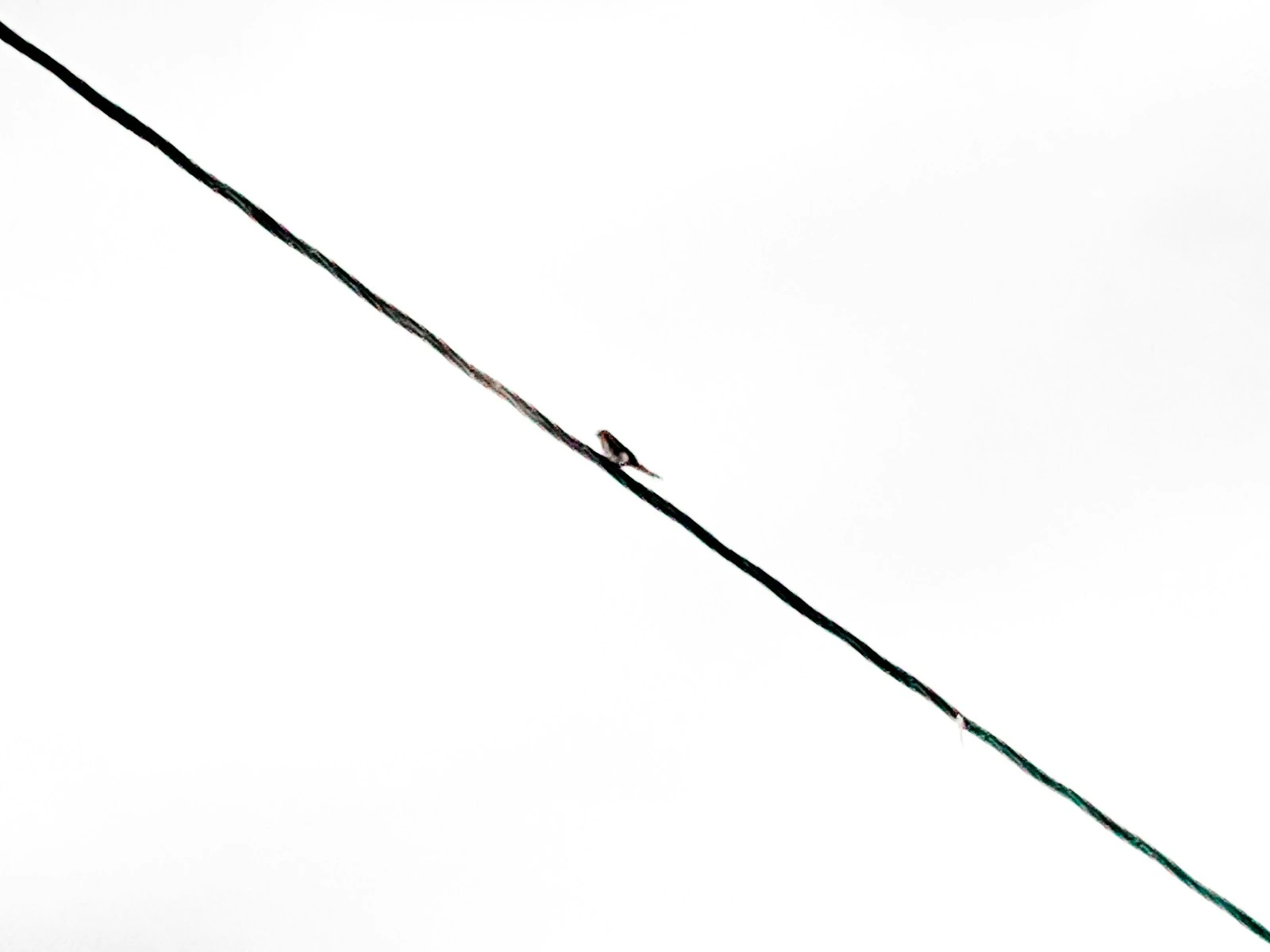
Space (negative space, breathing room): Empty space is emphasis. What you surround with emptiness gains importance. What you crowd loses distinction.
Frames (natural framing, borders): Frames within frames create focus. They tell the viewer "look here, not there" by literally surrounding what matters.
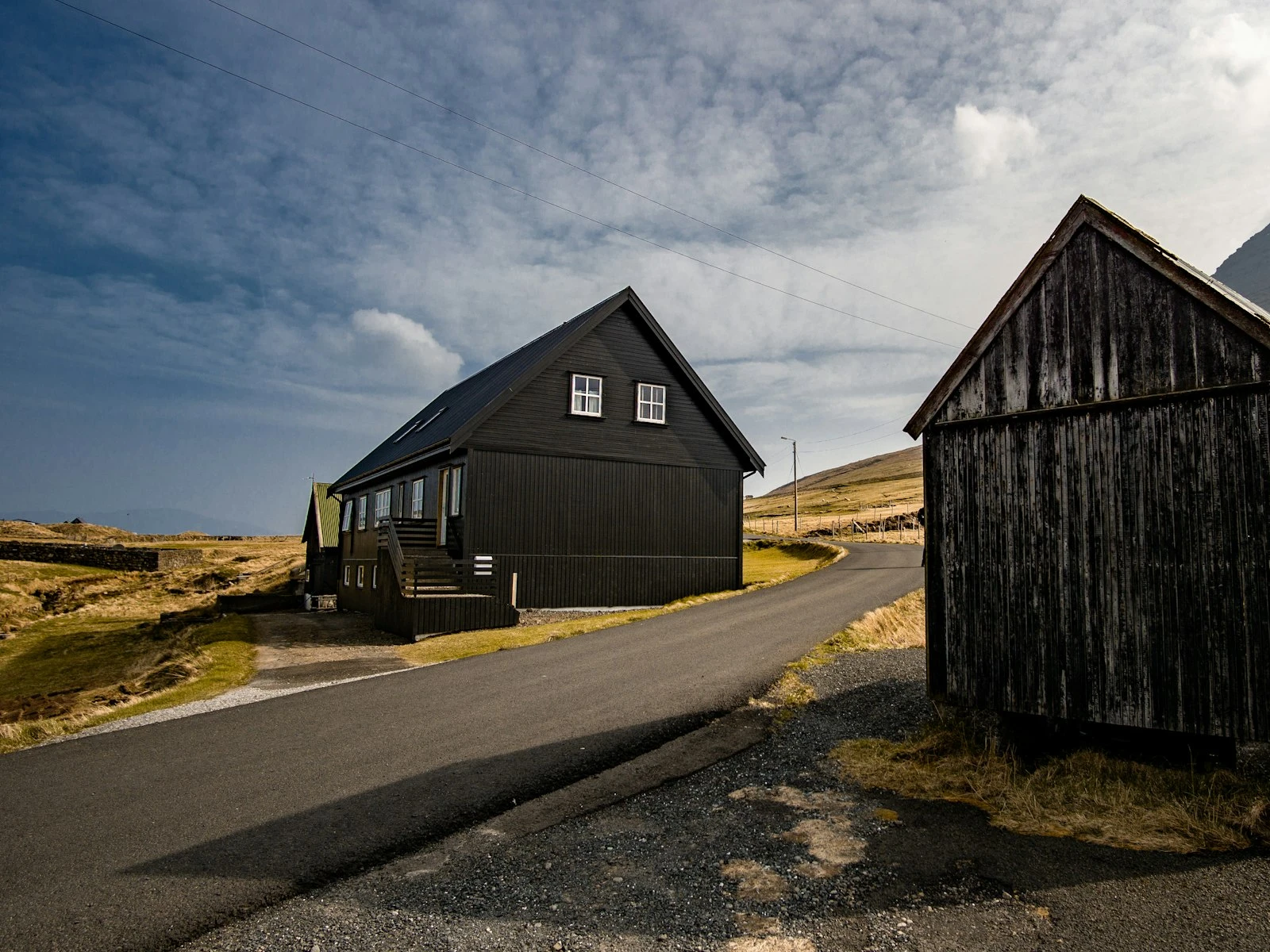
Layers (foreground, midground, background): Depth creates dimension in flat images. Layers guide the eye from front to back, creating a visual journey.
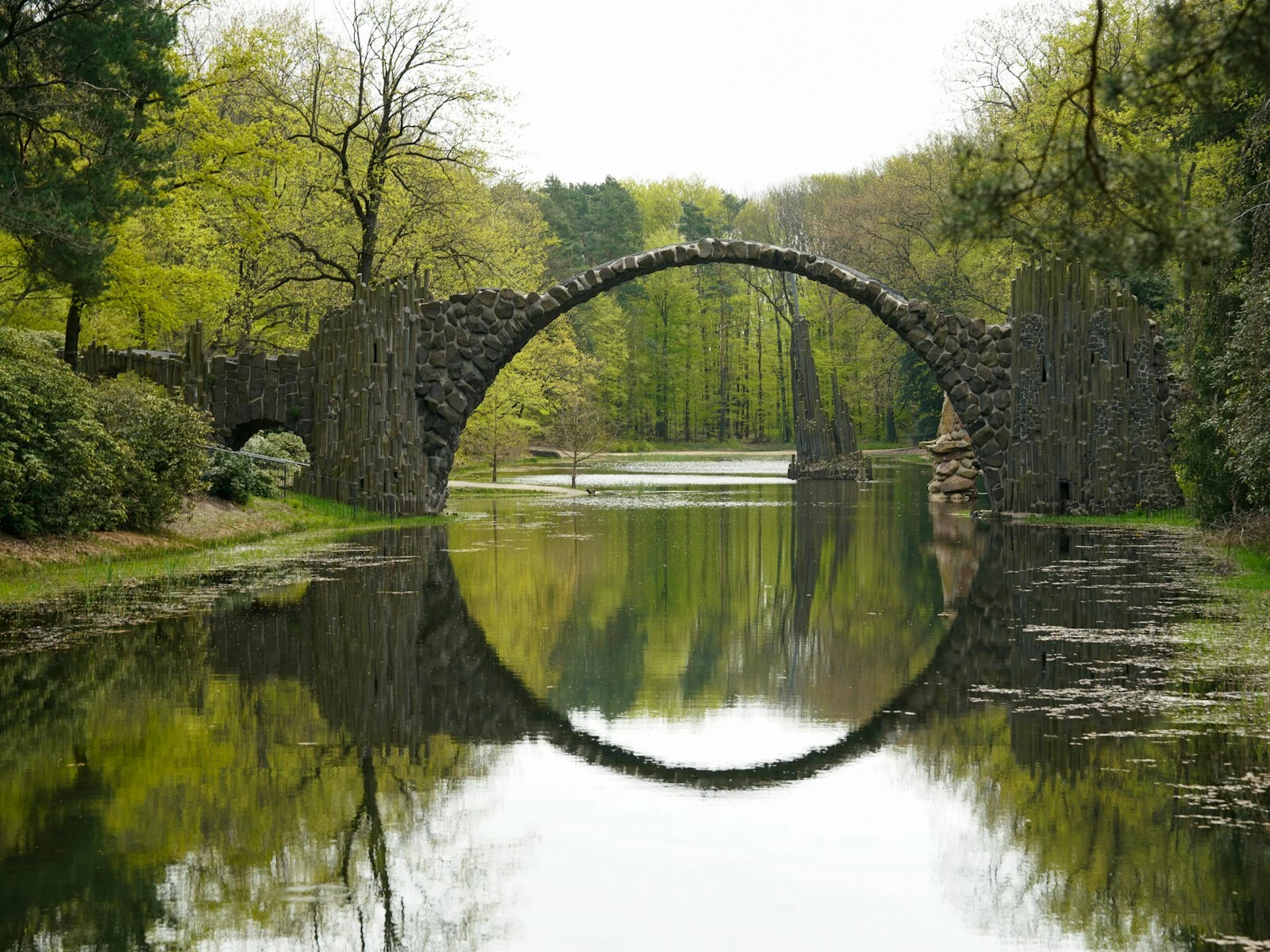
Balance (symmetry, asymmetry, visual weight): Balance is about intentional distribution. Symmetry creates calm; asymmetry creates energy.
None of these tools is better than another. They're different answers to different compositional questions.
The Simplification Principle
Most composition problems are addition problems. There's too much in the frame, too many elements competing, too much visual noise drowning out the signal.
The most reliable path to stronger composition is subtraction.
Move closer. Crop tighter. Change your angle to eliminate distractions. Wait for people to leave the frame. Choose a better background.
Every element in your photo should earn its place. If something doesn't support your visual hierarchy, it's probably hurting it.
This doesn't mean all photos should be minimal. Complex scenes can work beautifully when the complexity serves the image. A crowded market tells a different story than an empty street. Both are valid, and both require different compositional approaches.
The real question is "does everything here contribute?"
Before, During, and After
Composition happens in three stages, and each offers different opportunities.
Before you shoot: This is where the biggest decisions happen. Where you stand. What lens you choose. What you decide to include or exclude. Even the light you choose to shoot in shapes your composition. Most composition is determined before you press the shutter.
While you shoot: Fine-tuning. Small movements, waiting for elements to align, adjusting your framing. This is where you execute the decisions you made in the planning stage.
After you shoot: Cropping. Despite what purists claim, cropping is a legitimate composition tool. You can refine your framing, eliminate edge distractions, and tighten your visual hierarchy.
The best photographers front-load their composition work. They get it right in camera because that preserves quality and forces deliberate decisions. But they also know that cropping is a final opportunity to clarify what matters.