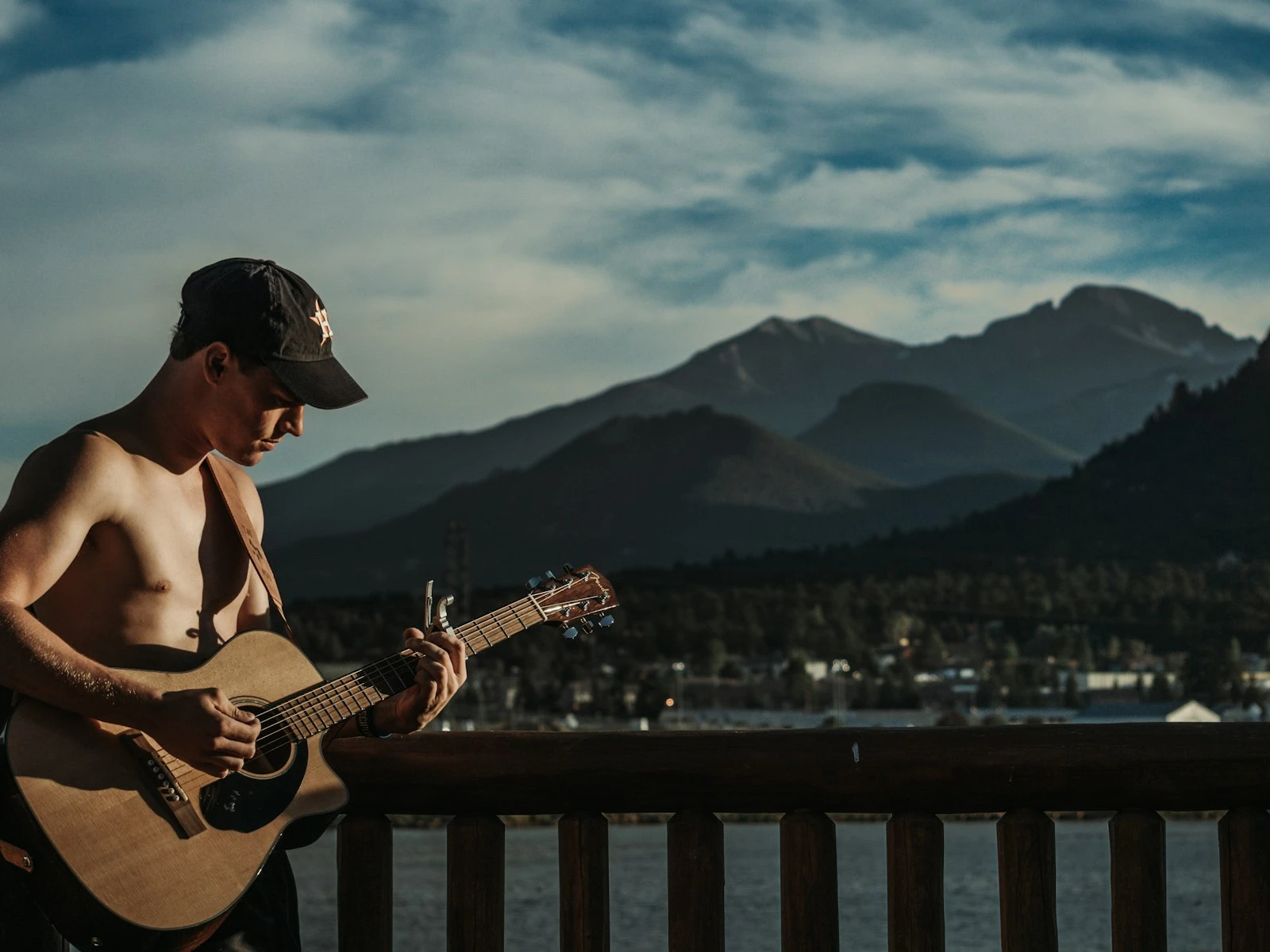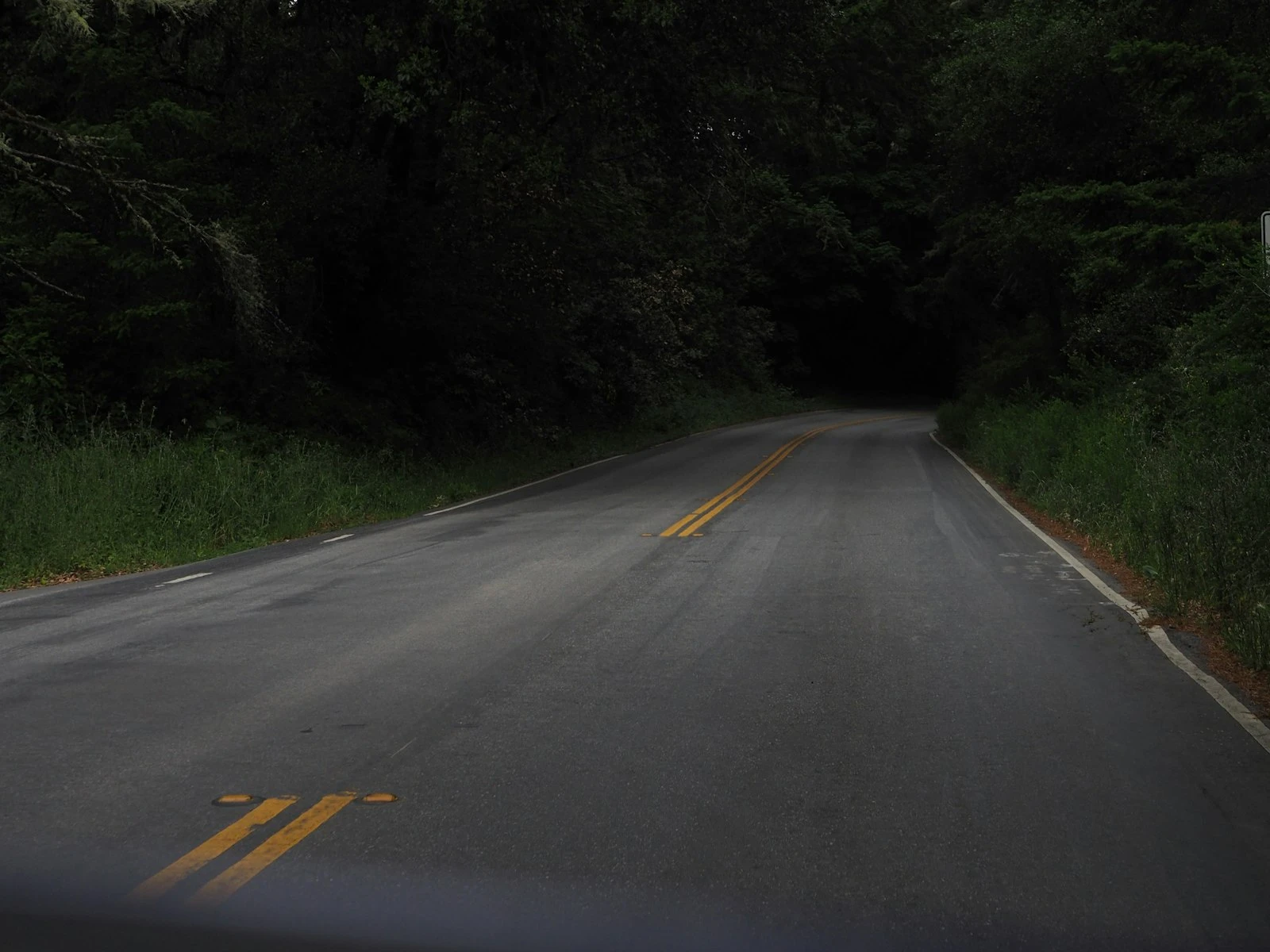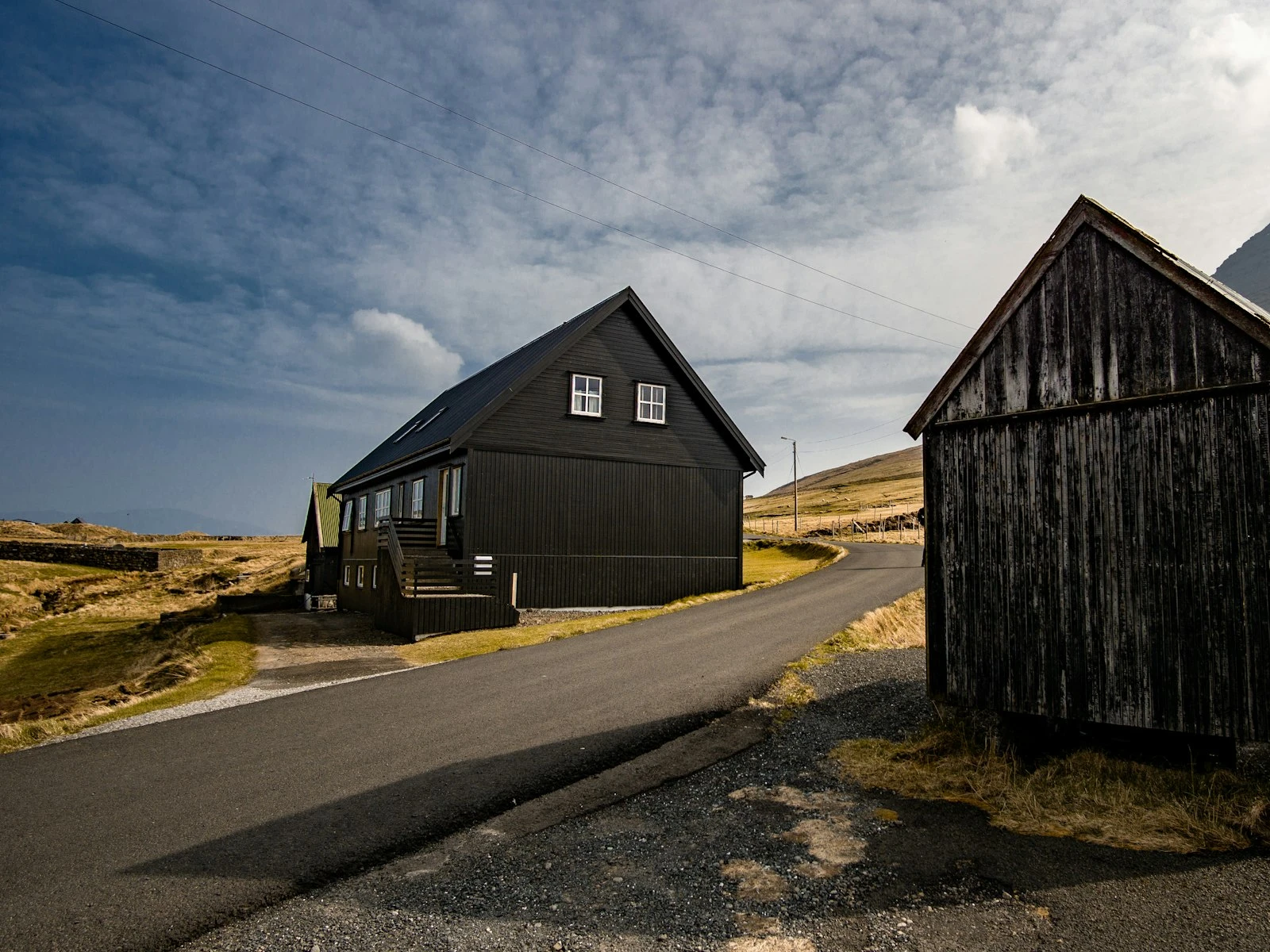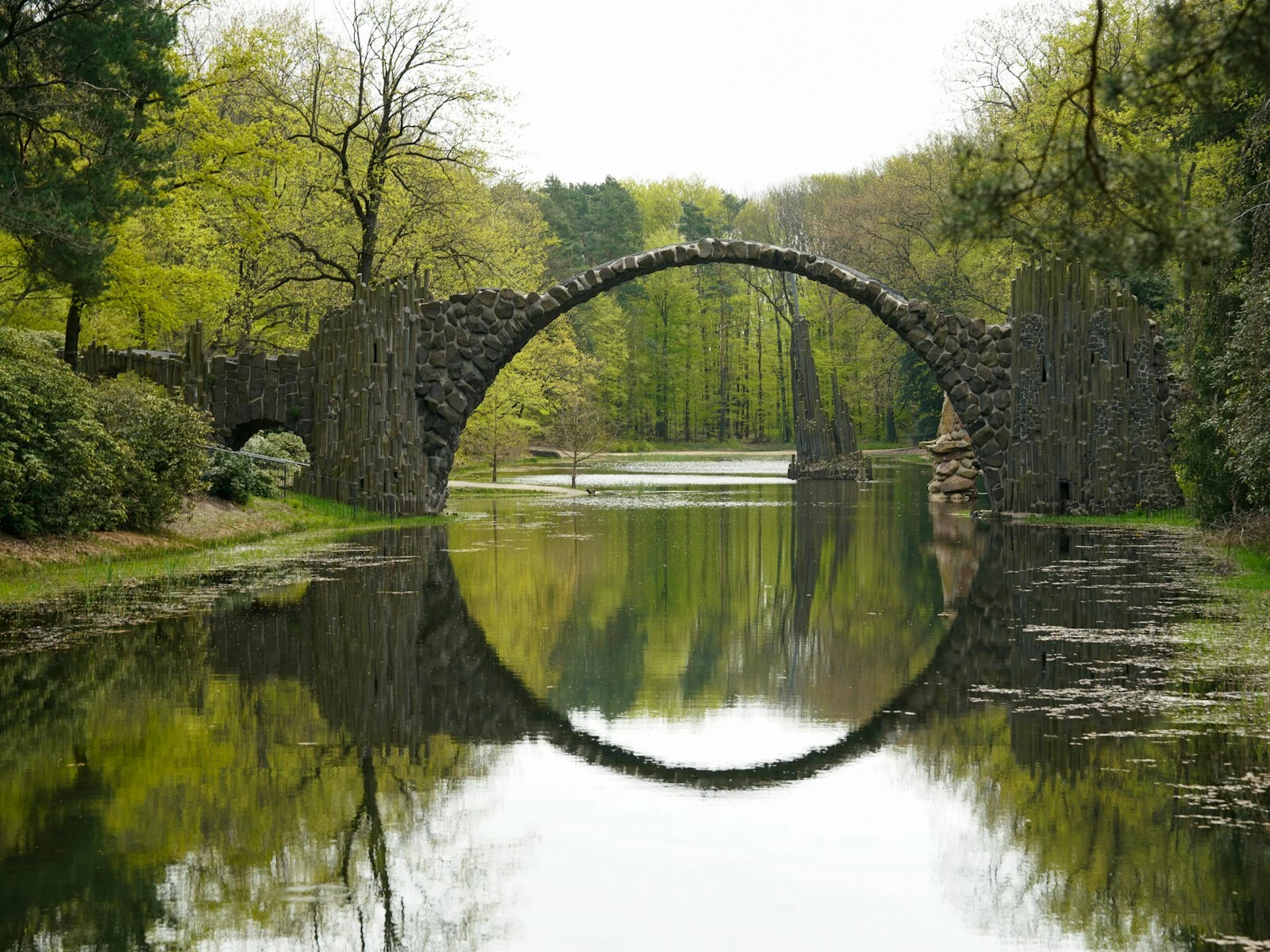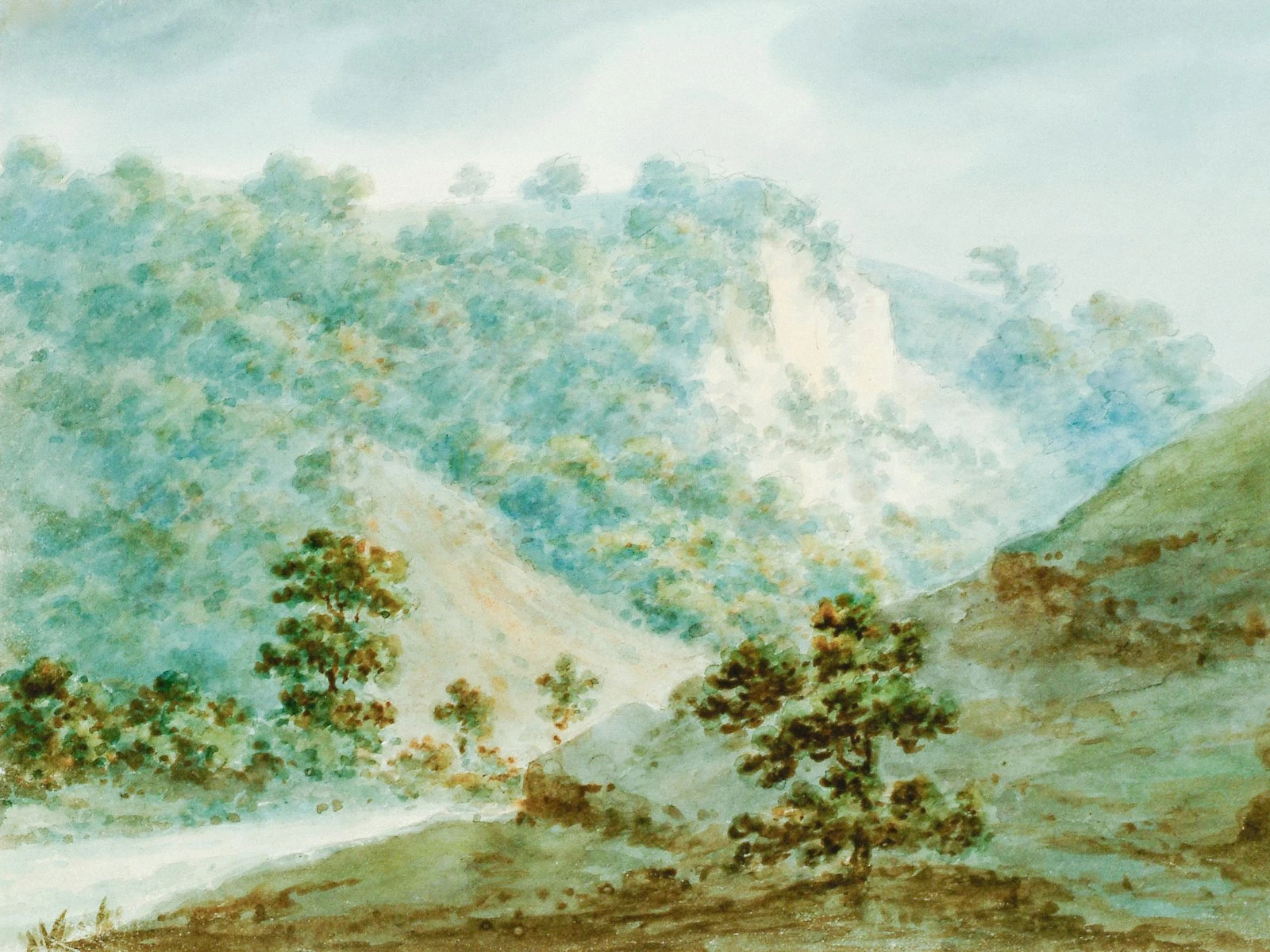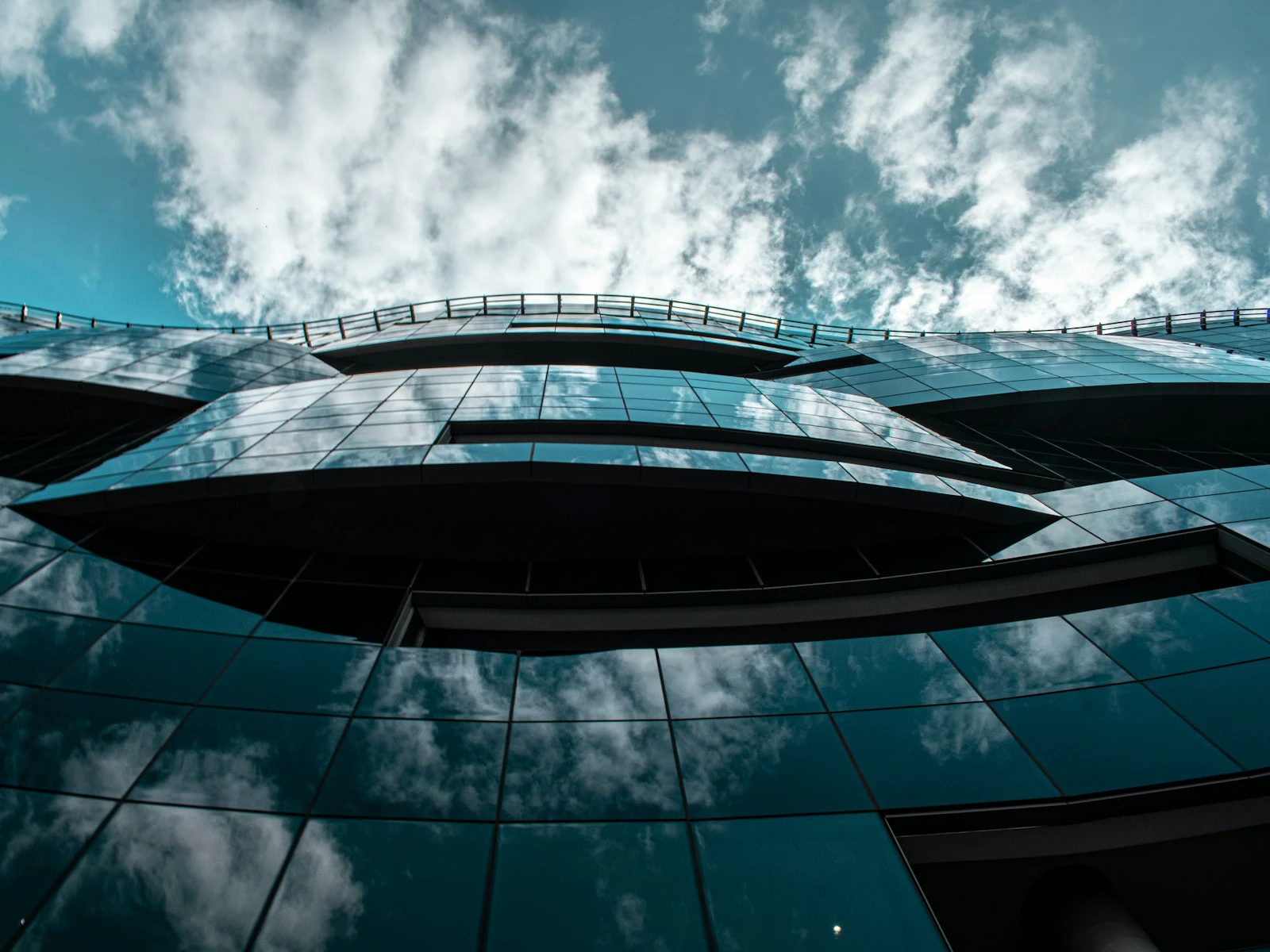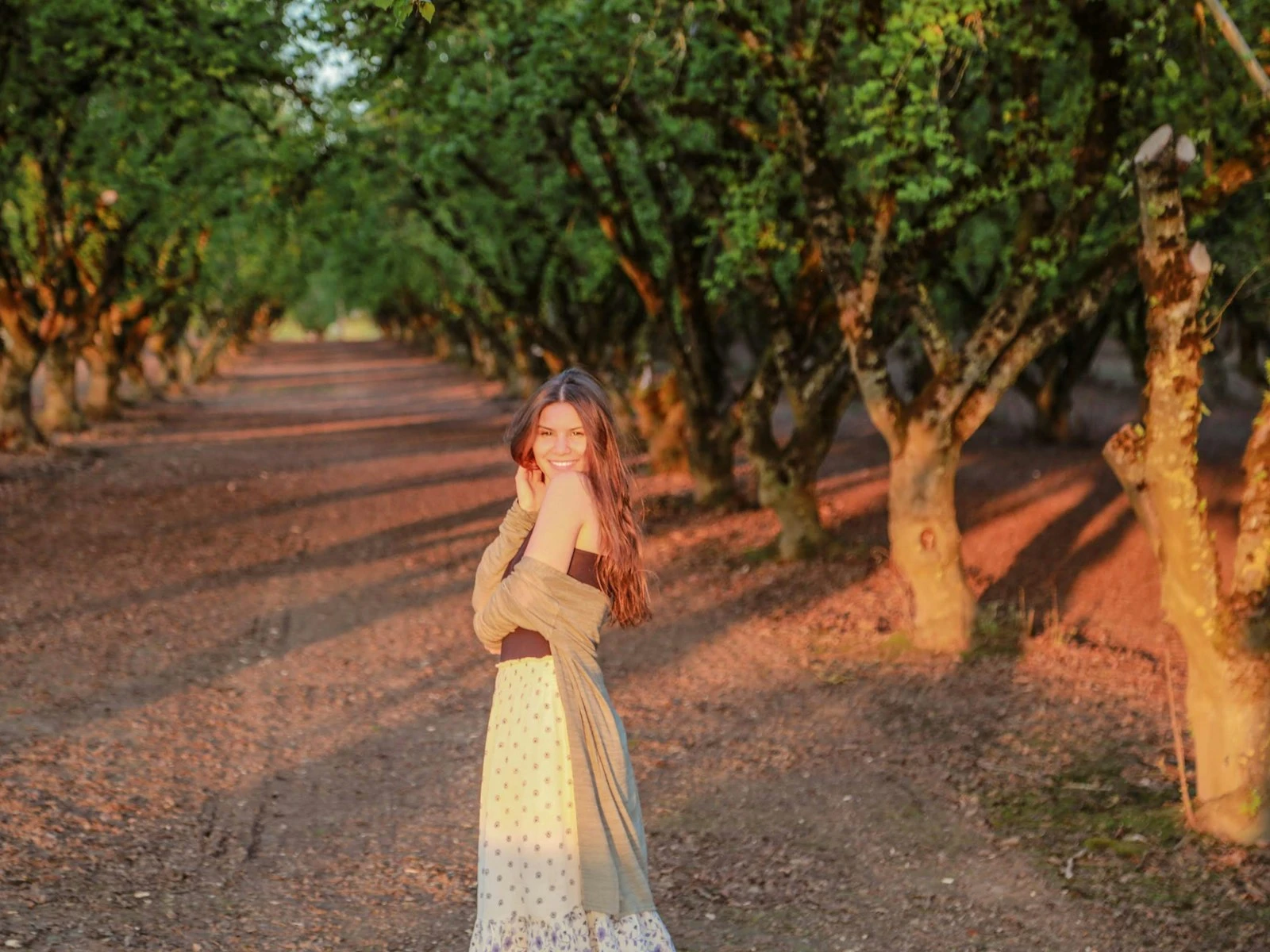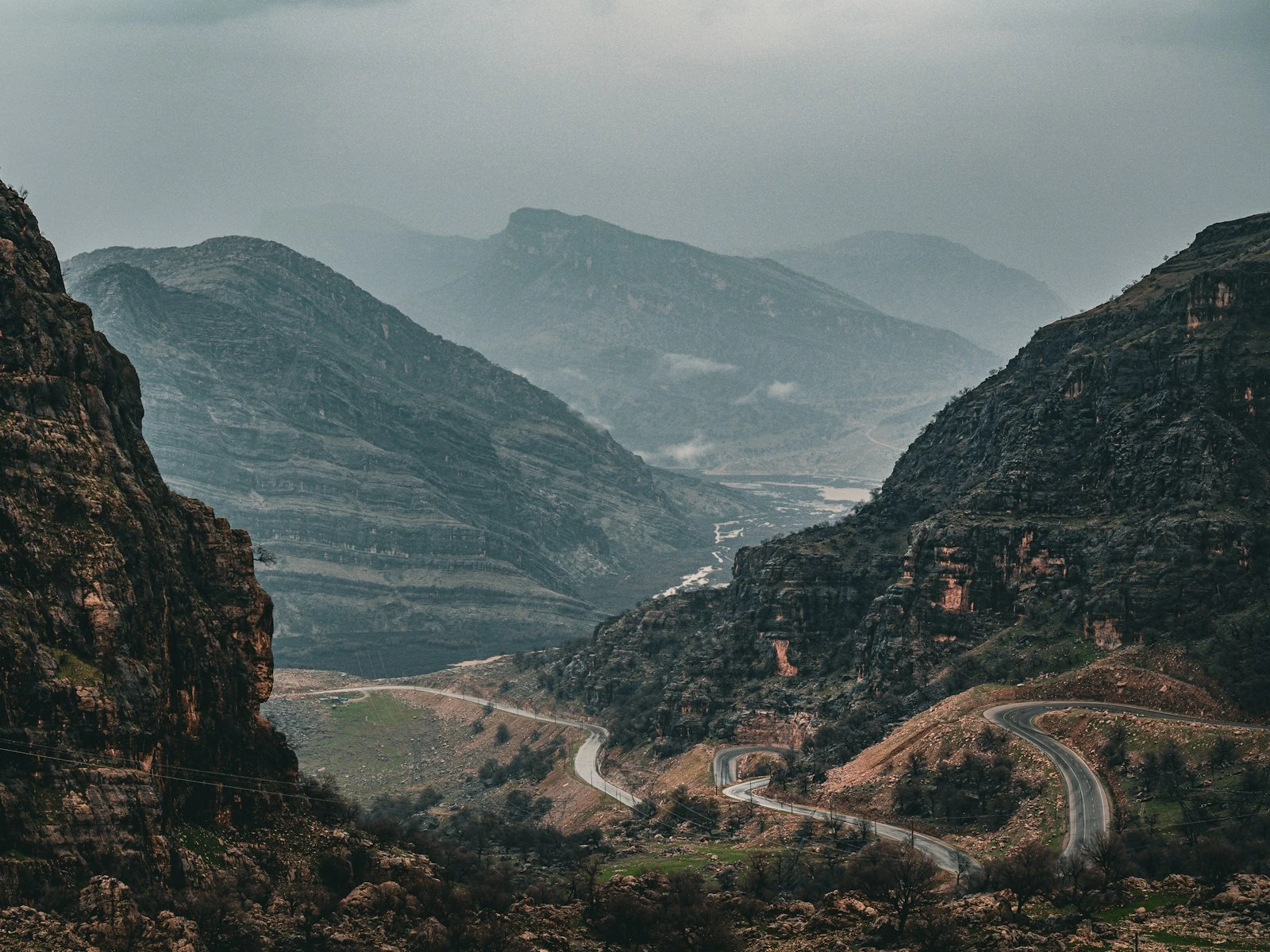
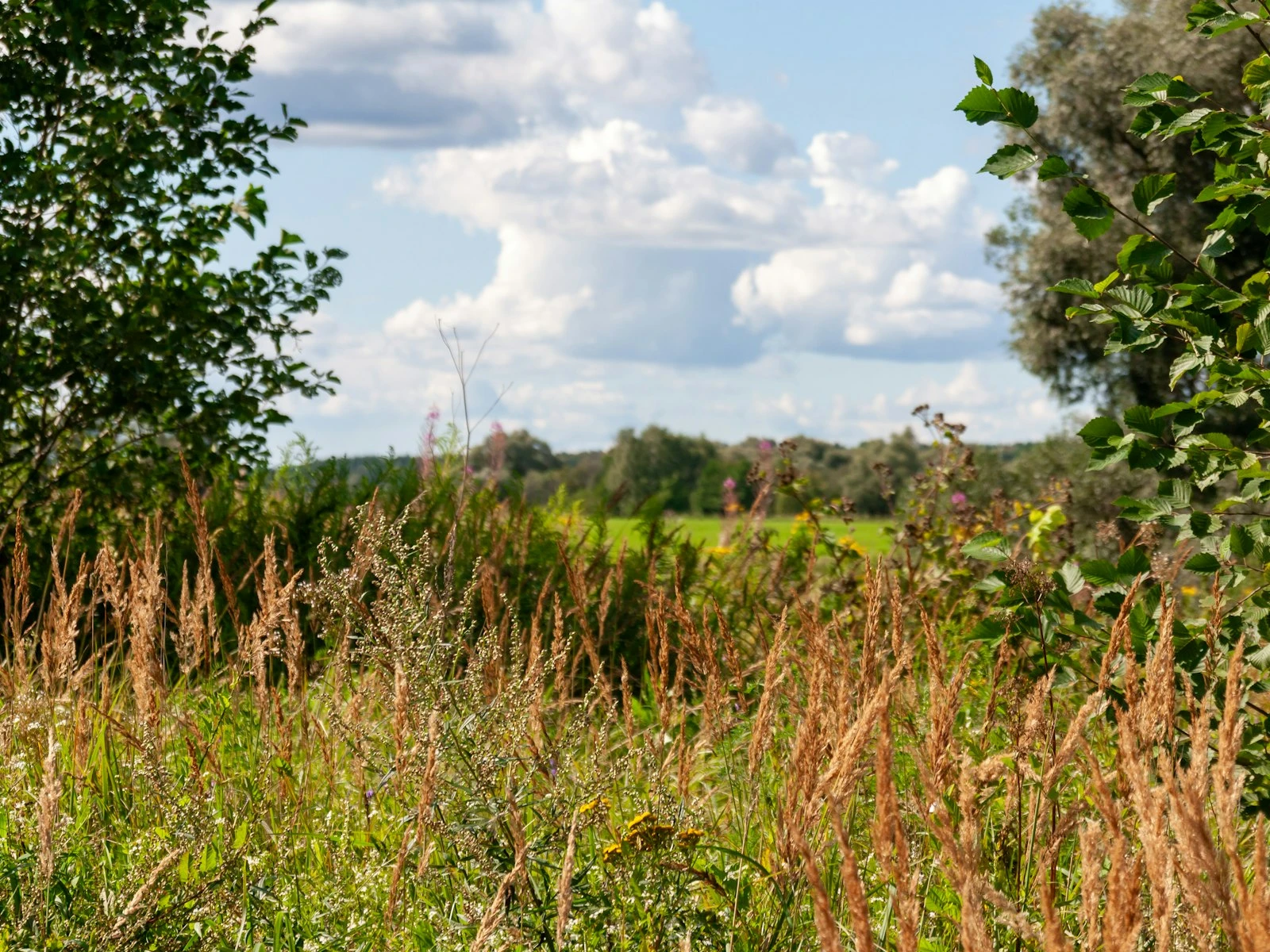
Every photograph compresses three dimensions into two. The question is whether viewers feel that compression or forget it, and whether your image feels flat or dimensional.
Layered composition is the primary technique for creating depth. By deliberately including elements at different distances, such as foreground, midground, and background, you give viewers' brains the spatial information they need to perceive three dimensions.
Layers create visual journeys that keep viewers engaged longer, so this goes beyond depth for its own sake. They add complexity without chaos, and they're one of the most rewarding techniques in our composition guide. They transform snapshots into photographs you can get lost in.
The Three Layers
Foreground
The foreground is what's closest to the camera. It's the "here" that establishes the viewer's position in the scene.
Strong foregrounds:
- Create an entry point into the image
- Provide scale reference for everything behind them
- Add texture and detail that grounds the image
- Guide the eye deeper through leading lines or shapes
Foregrounds are often overlooked because they're not the primary subject, but that's exactly why they matter. They're the foundation that makes the subject work.
Midground
The midground is the heart of most images, where the primary subject typically lives. It's the "there" that the foreground points toward.
The midground often contains:
- The main subject or point of interest
- The narrative core of the image
- The element you want viewers to find and focus on
In landscape photography, the midground might be a mountain or building. In portraits, it's the person. In street photography, it's the action.
Background
The background is the farthest layer, the context that surrounds and frames everything else.
Backgrounds typically provide:
- Environmental context (where is this?)
- Mood and atmosphere
- Color and tonal contrast with foreground elements
- Depth cues like atmospheric haze or size diminishment
Backgrounds should support, not compete. A background that's more interesting than the midground subject inverts your visual hierarchy.
Why Layers Create Depth
Your brain uses overlap and size relationships to understand space. When elements clearly exist at different distances:
Overlap tells you what's in front of what. A rock partially blocking a tree means the rock is closer.
Size relationships confirm distance. A large rock and a small tree (when you know trees are large) means the rock is near and the tree is far.
Texture gradient shows recession. Detailed texture in the foreground becoming smoother with distance creates a visual slope into the image.
Focus differences separate planes. Sharp foreground and soft background can't be at the same distance, and your eyes know this.
Without layers, none of these cues exist, so everything feels equidistant and flat.
Building Effective Layers
Start with Foreground
Many photographers compose middle-out, focusing on the subject and letting everything else happen accidentally. A better approach is to find a strong foreground and then compose the rest.
Look low, since foreground interest is often at ground level.
- Flowers, plants, and vegetation
- Rocks, pebbles, and sand patterns
- Water's edge and reflections
- Fallen leaves, grass, or natural debris
- Leading lines like paths, roads, or fences
Getting low helps because higher camera positions push foreground out of the frame. Lower positions bring foreground into prominence.
Getting close also matters, as foreground impact increases with proximity. A rock three feet away fills more frame and shows more detail than the same rock from ten feet.
Connect Layers with Lines
The most compelling layered compositions connect foreground to midground to background through visual pathways.
A road starting at the bottom of the frame (foreground) that winds to a distant building (midground) against mountains (background) creates a visual journey with clear connections between all three layers.
Without connections, layers can feel disjointed, like three separate images stacked in one frame, so use lines, color relationships, or clear sight paths to tie them together.
Balance Layer Weight
Each layer contributes visual weight, and you should balance these weights according to where you want attention.
Heavy foreground: Creates immersion, puts viewers "in" the scene, works for environmental storytelling.
Heavy midground: Classic subject emphasis, clearly directs attention to primary interest.
Heavy background: Unusual but can work for establishing scale or mood when the environment dominates.
Most images benefit from moderate foreground, dominant midground, and subordinate background, but rules are made to break when the image demands otherwise.
Consider Each Layer's Content
What's in each layer matters as much as having three layers.
Foreground content should be interesting without dominating. Leading shapes, appropriate textures, contextual elements.
Midground content should be your strongest visual element, what you want viewers to find and remember.
Background content should be simple enough to not compete but meaningful enough to establish context.
Empty layers are fine, since negative space works in any position. But irrelevant or distracting content in any layer weakens the whole composition.
Layers in Different Situations
Landscapes
Layered composition is fundamental to landscape photography. The classic approach:
- Find compelling foreground interest (rocks, flowers, water, texture)
- Place primary subject in midground (mountain peak, building, tree, distinct feature)
- Let background provide context (sky, distant mountains, atmosphere)
Position yourself low and close to foreground elements to maximize their visual presence.
Portraits
Environmental portraits use layers differently:
- Foreground might be blurred elements that frame the subject
- Midground is the person
- Background establishes environment or goes soft to isolate
Tight portraits often collapse into single-layer compositions, which works fine since not every image needs three distinct planes.
Street Photography
Street scenes naturally contain layers:
- Foreground: immediate environment, passersby, street elements
- Midground: the action or person of interest
- Background: architecture, signage, other people
The challenge is managing complexity since layered street scenes can easily become cluttered, but timing and position let you capture moments when layers separate clearly.
Architecture
Architectural photography can layer environment around structures:
- Foreground: landscaping, pedestrians, street elements
- Midground: the building itself
- Background: sky, surrounding buildings, context
Or focus on internal structure layers within the building itself: near elements, mid elements, far elements within the architecture.
Technical Considerations
Focus Choices
You must decide where to focus and how much depth of field to include.
Sharp throughout: Small apertures (high f-numbers) keep all layers distinct. Works when you want clear relationships between layers. Requires adequate light or longer exposures.
Selective focus: Wide apertures blur some layers while keeping others sharp. Creates strong separation between planes but sacrifices detail in unfocused areas.
Hyperfocal distance: Focusing at a specific distance that maximizes depth of field from near to far. Useful technique for landscapes where you want both foreground and background sharp.
Lens Choice
Focal length affects how layers relate:
Wide angles expand spatial relationships. Layers feel more separate; foregrounds loom larger; backgrounds recede more dramatically. Good for emphasizing depth.
Telephoto lenses compress spatial relationships. Layers feel stacked closer together; foregrounds and backgrounds feel more connected. Reduces depth emphasis.
Choose focal length partly based on how much layer separation you want. Comparing the field of view at different focal lengths makes it easier to previsualize how much of the scene each lens will include.
Camera Position
Vertical position dramatically affects layer balance:
Low positions give foreground prominence. The lower you go, the more foreground fills the frame.
Eye-level positions balance layers more evenly but can minimize foreground.
High positions reduce foreground, emphasize the ground plane extending toward background.
Most landscape photographers spend a lot of time low to the ground for good reason.
Common Layer Mistakes
Missing Foreground
The most common layering failure is photos that start in the middle distance. Without foreground, images lose their sense of "here" and feel distant, detached.
Fix by getting lower, getting closer, and looking for foreground opportunities.
Disconnected Layers
Layers that don't relate to each other create confusion, like three images collaged rather than one cohesive composition.
Find visual connections (lines, colors, shapes) that tie layers together, or accept that this scene may not work as a layered composition.
Boring Foreground
Including foreground just to have foreground, without considering what it adds, creates visual noise rather than depth.
Foreground should be interesting or meaningful, and if it's neither, consider whether you need it at all.
Background Competition
When backgrounds are more visually interesting than midground subjects, attention inverts.
Simplify backgrounds through position, blur, or timing, or reconsider what your actual subject is.
Practice: Layer Hunting
Visit a location with clear depth, like a park, a trail, or an urban scene with varied distances. Photograph the same general view multiple ways:
- Standing height, no foreground emphasis
- Low, with foreground filling bottom third
- Very low, with foreground filling half the frame
- Including leading lines that connect all three layers
- With sharp focus throughout
- With selective focus emphasizing midground
Compare the results. Notice how layer handling changes the entire feeling of the image. Find what works for this specific scene, then apply that awareness to every scene you photograph.
Key Takeaways
- Compose with three distinct layers (foreground, midground, background) to create depth that makes flat images feel three-dimensional.
- Get low and close to foreground elements to maximize their visual presence and create a strong entry point into the image.
- Connect layers with visual pathways like lines, color relationships, or clear sight paths so they feel like one cohesive image rather than three stacked together.
- Use wide-angle lenses to expand spatial relationships between layers, and telephoto lenses to compress them.
- Put your strongest visual element in the midground, keep foregrounds interesting but not dominant, and simplify backgrounds to avoid competition.
More in This Guide
Continue exploring composition techniques.