
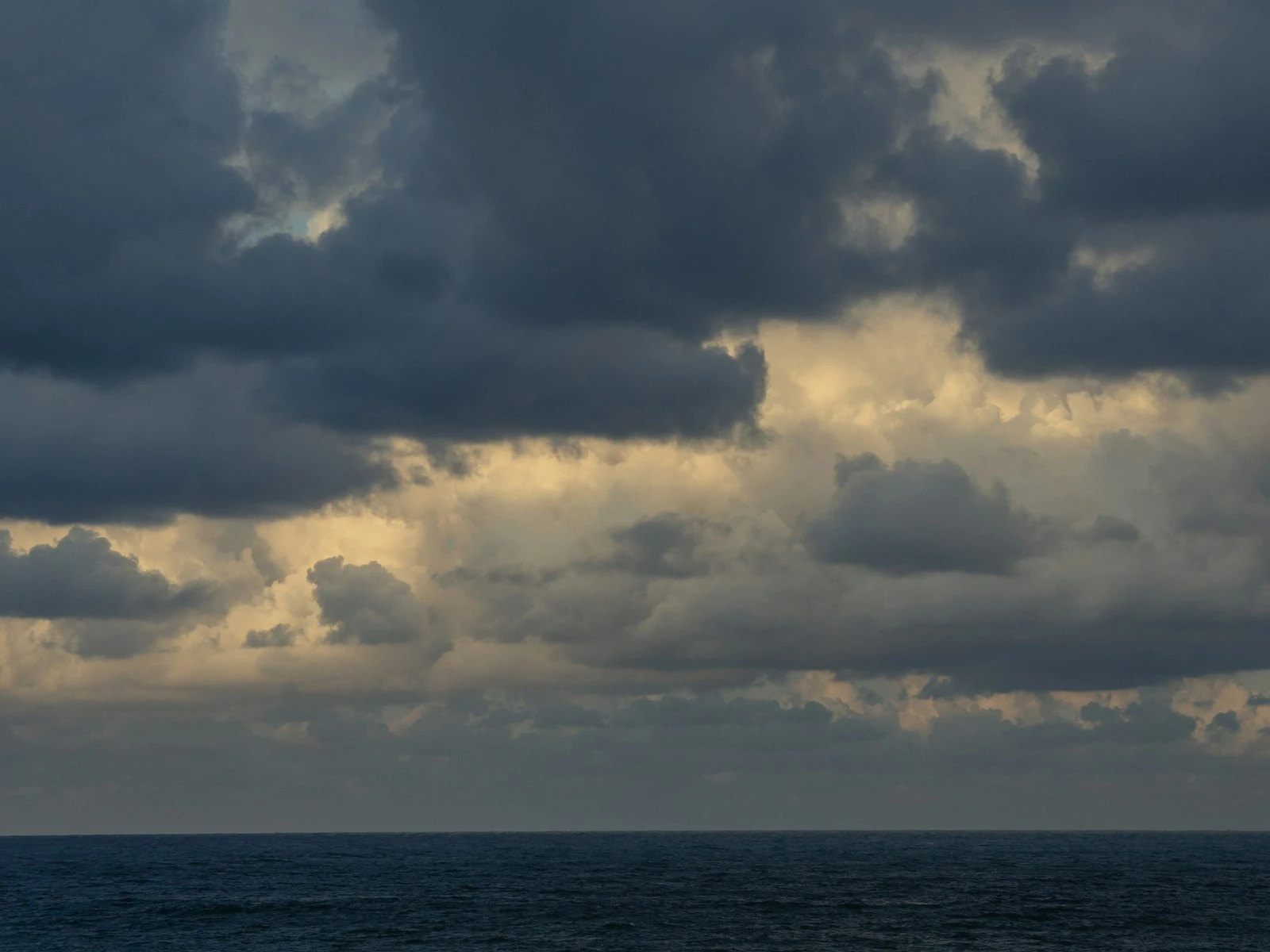
The horizon separates earth from sky, and where you place that dividing line changes everything about how your image feels.
Put the horizon low, and sky dominates. Put it high, and land commands attention. Center it, and you split the difference, sometimes effectively, sometimes awkwardly.
Understanding what each choice communicates lets you make the right decision for each specific image. It's one of the most overlooked topics in our composition guide, but it has a huge impact on how your photos feel.
The Three Basic Positions
Low Horizon (Sky Dominant)
Placing the horizon in the lower third, or lower, emphasizes sky. This works when the conditions favor it.
The sky is interesting. Dramatic clouds, sunset colors, and storm formations all reward attention. A low horizon gives that content room to breathe.
You want expansiveness. Open sky creates a sense of space, freedom, and possibility. Landscapes feel bigger and more breathable.
The ground is less interesting. If foreground and midground are plain while the sky is dramatic, put the visual weight where the interest is.
You want lightness or optimism. Sky-dominant compositions often feel uplifting, aspirational, or liberating.
Low horizon risks turning boring skies into vast areas of visual emptiness, so make sure the sky you're emphasizing deserves the space. Planning around golden hour helps ensure compelling light.
High Horizon (Ground Dominant)
Placing the horizon in the upper third, or higher, emphasizes land. This works in several situations.
The foreground is compelling. Interesting textures, strong leading lines, meaningful subjects on the ground: these reward the space a high horizon provides.
You want weight and groundedness. Earth-dominant compositions feel stable, grounded, sometimes heavy. They anchor viewers in physical space.
The sky is plain. Clear blue or overcast grey adds nothing, so push it to the edge and focus on what's interesting.
You want intimacy. Less sky means a more enclosed, immediate feeling. Viewers are in the landscape, not looking across it.
High horizons risk feeling cramped or claustrophobic if the ground content doesn't justify the emphasis.
Centered Horizon
Placing the horizon in the middle divides the frame equally between sky and land. This works in specific situations.
Both are equally interesting. A compelling sky reflected in calm water. Balanced visual content above and below.
Symmetry is the point. Perfect reflections, or scenes where the sky-land relationship is the subject.
You're deliberately breaking convention. Centered horizons feel formal and less dynamic, and sometimes that's exactly right.
Centered horizons risk feeling static, uninteresting, or like you didn't make a choice. The visual weight balances perfectly, which can mean nothing dominates and nothing leads.
Making the Decision
Before placing your horizon, consider these questions.
Where is the visual interest? Put the horizon to give more space to whatever's more compelling, whether sky or ground.
What feeling do I want? Expansive and free (low horizon)? Grounded and intimate (high horizon)? Balanced and formal (centered)?
What's the story? Is this image about the sky's drama? The land's detail? The relationship between them?
What's happening in each zone? Evaluate the actual content above and below the horizon in this specific scene.
The rule of thirds suggests horizons at the lower or upper third line, and that's decent default guidance, but it's not law. Sometimes the horizon belongs even lower or higher. Sometimes centered is perfect. The decision depends on the image, not the rule.
Special Situations
Reflection Shots
Water reflections often call for centered or near-centered horizons. The reflection is the subject, and that subject spans both sides of the divide.
But don't default to centered just because there's a reflection, since if the actual landscape is more interesting than its reflection (or vice versa), you should emphasize accordingly.
Seascapes and Water Horizons
Ocean and lake horizons present special considerations.
- The horizon itself is often the only visual anchor in a simplified scene
- Slight tilts are immediately obvious on flat water
- The ratio of sea to sky controls the entire mood
Many seascapes work with low horizons (emphasizing sky) because water surfaces can be visually simple. But stormy seas, interesting wave patterns, or foreground rocks might call for more water and less sky.
No Visible Horizon
Not every landscape has a clear horizon line, and with hills, mountains, and forests the transition from land to sky can be irregular or obscured.
In these cases, think about the general dividing zone rather than a precise line. Where does the majority of visual mass sit? What balance between earth and sky does the composition create?
Urban Horizons
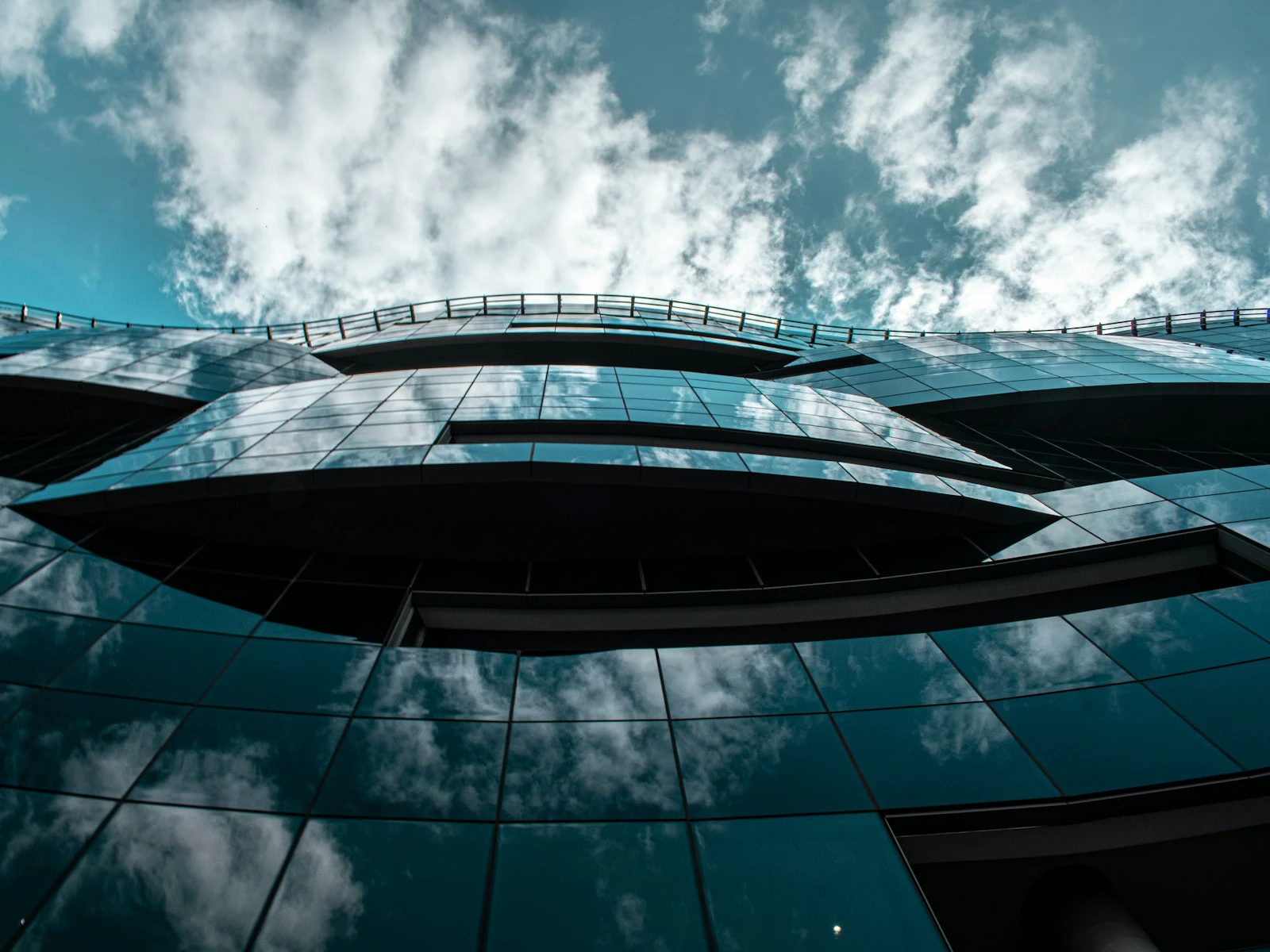
City skylines function as horizons even when the actual horizon isn't visible. Building tops form the dividing line between urban and sky.
The same principles apply: lower skyline placement emphasizes sky; higher placement emphasizes architecture and street-level content.
Horizon Level: The Other Critical Choice
Placement is where the horizon sits vertically, while level is whether it's straight.
Unless you have a specific creative reason, horizons should be perfectly level since tilted horizons create unease, sometimes intentionally but usually accidentally.
Water horizons are especially unforgiving. We know water is level, so a tilted water horizon looks like a mistake immediately.
Check your horizon.
- Most cameras have built-in level displays
- Use the rule of thirds grid to align with horizon
- Check after import and straighten in post if needed
The small crop penalty from straightening is almost always worth the visual stability.
Horizon and Depth Cues
Horizon placement affects how depth reads in your image.
Low horizons with expansive sky can flatten depth by reducing foreground visibility, as the viewer sees across the land to the horizon without much "near" content.
High horizons with emphasized foreground create stronger depth cues. There's clear separation between here (foreground), there (midground), and far (horizon/background).
If depth is a priority, consider how your horizon placement affects it. A strong foreground with a higher horizon often creates more dimensional images than a low horizon with expansive sky.
Practice: Horizon Bracketing
At a location with clear horizon, photograph the same scene with multiple horizon placements:
- Horizon at the bottom edge (maximum sky)
- Horizon at lower third
- Horizon centered
- Horizon at upper third
- Horizon at the top edge (maximum ground)
Compare the five images. Notice how completely different they feel despite showing the same place. This exercise builds intuition for which placement serves which scenes.
Combining with Other Composition Choices
Horizon placement interacts with other compositional decisions:
Rule of thirds: The classic thirds placement puts horizons on the lower or upper thirds line. This is often effective but not mandatory.
Leading lines: Lines leading from foreground to horizon create different effects depending on how much ground they traverse.
Subject placement: Where you place subjects relative to the horizon affects how they read, since subjects against sky feel different from subjects against land.
Balance: A low horizon with strong sky and minimal ground interest can feel top-heavy. A high horizon with plain foreground can feel bottom-heavy. Consider overall visual balance.
The Intentionality Test
Whatever horizon placement you choose, it should feel intentional since viewers can sense when a composition was deliberate versus accidental.
Centered horizons that feel accidental often sit not quite centered, close to middle but not clearly committed to it, so either center precisely or offset clearly.
Similarly, "low" or "high" horizons should be definitively low or high. Hovering just off-center in either direction often feels like a mistake.
Commit to your choice, because the strength of the image comes partly from the confidence of its decisions.
Key Takeaways
- Place the horizon low to emphasize dramatic skies and create expansiveness, or high to emphasize compelling foreground and create intimacy.
- Center the horizon only when both halves carry equal visual weight, such as reflection shots or scenes where the sky-land relationship is the subject.
- Always ensure the horizon is perfectly level, especially with water, since tilted horizons create unease and look like mistakes.
- Commit decisively to your horizon placement; hovering just off-center in either direction often feels accidental rather than intentional.
More in This Guide
Continue exploring composition techniques.






Related Guides