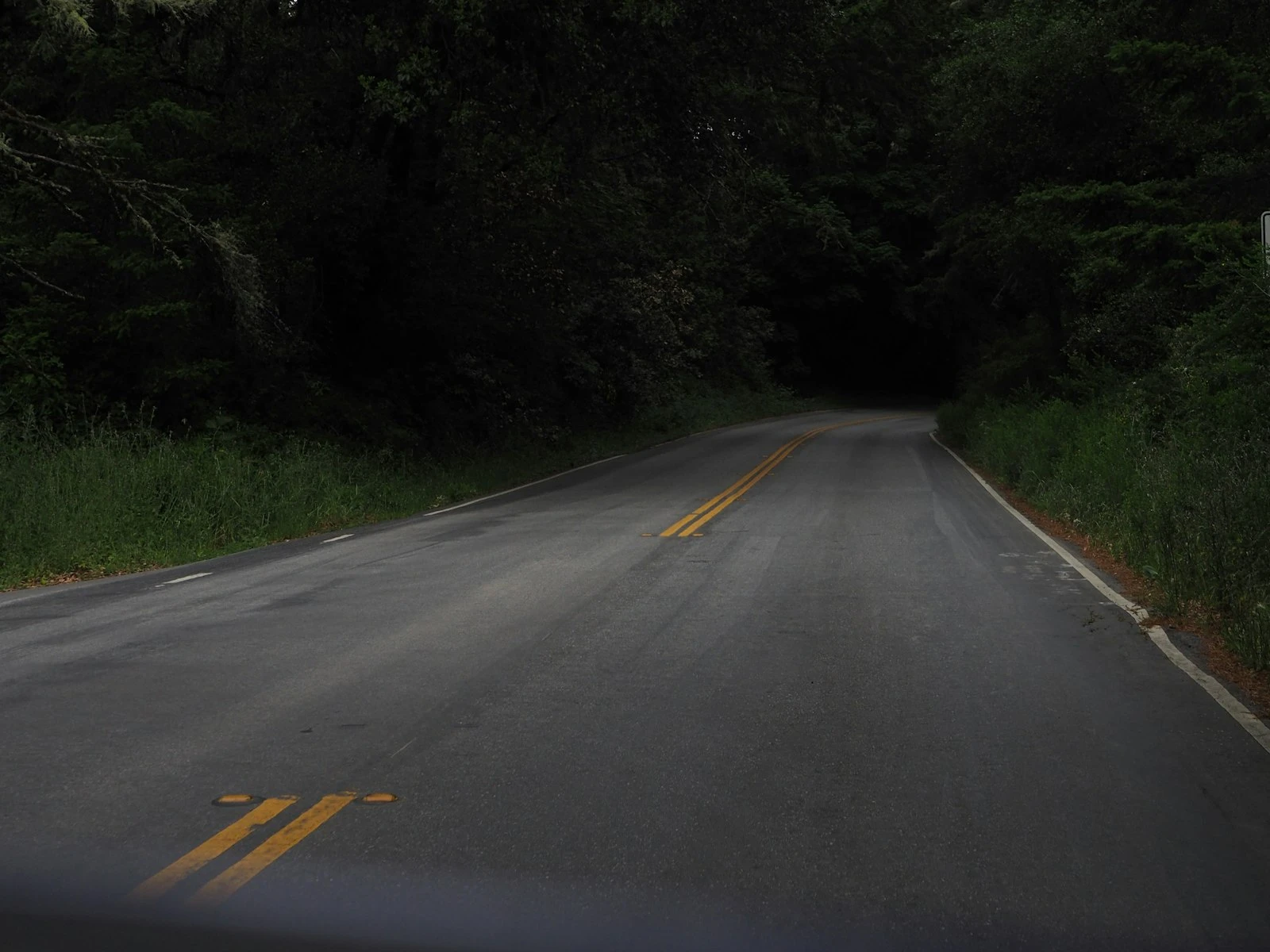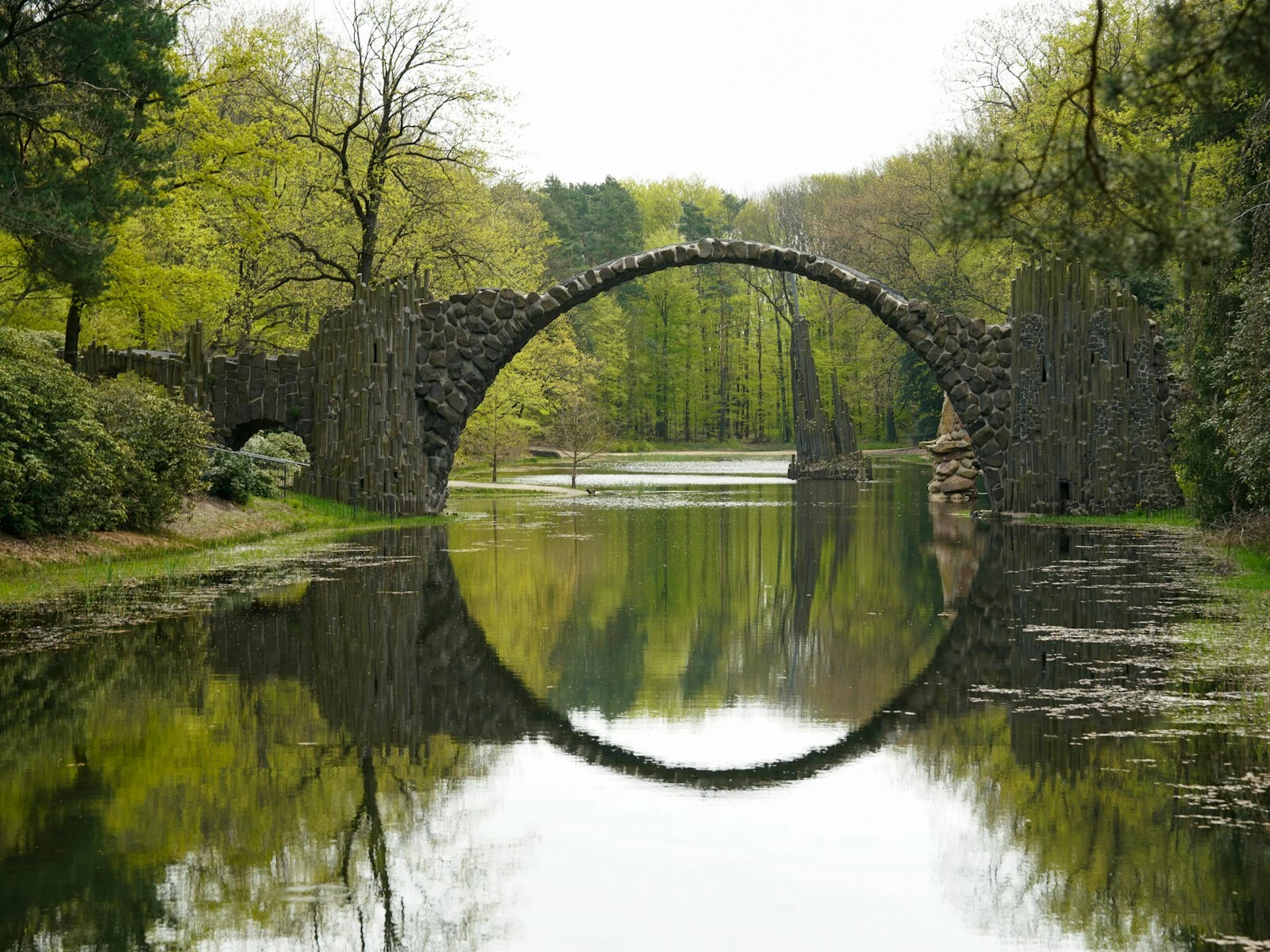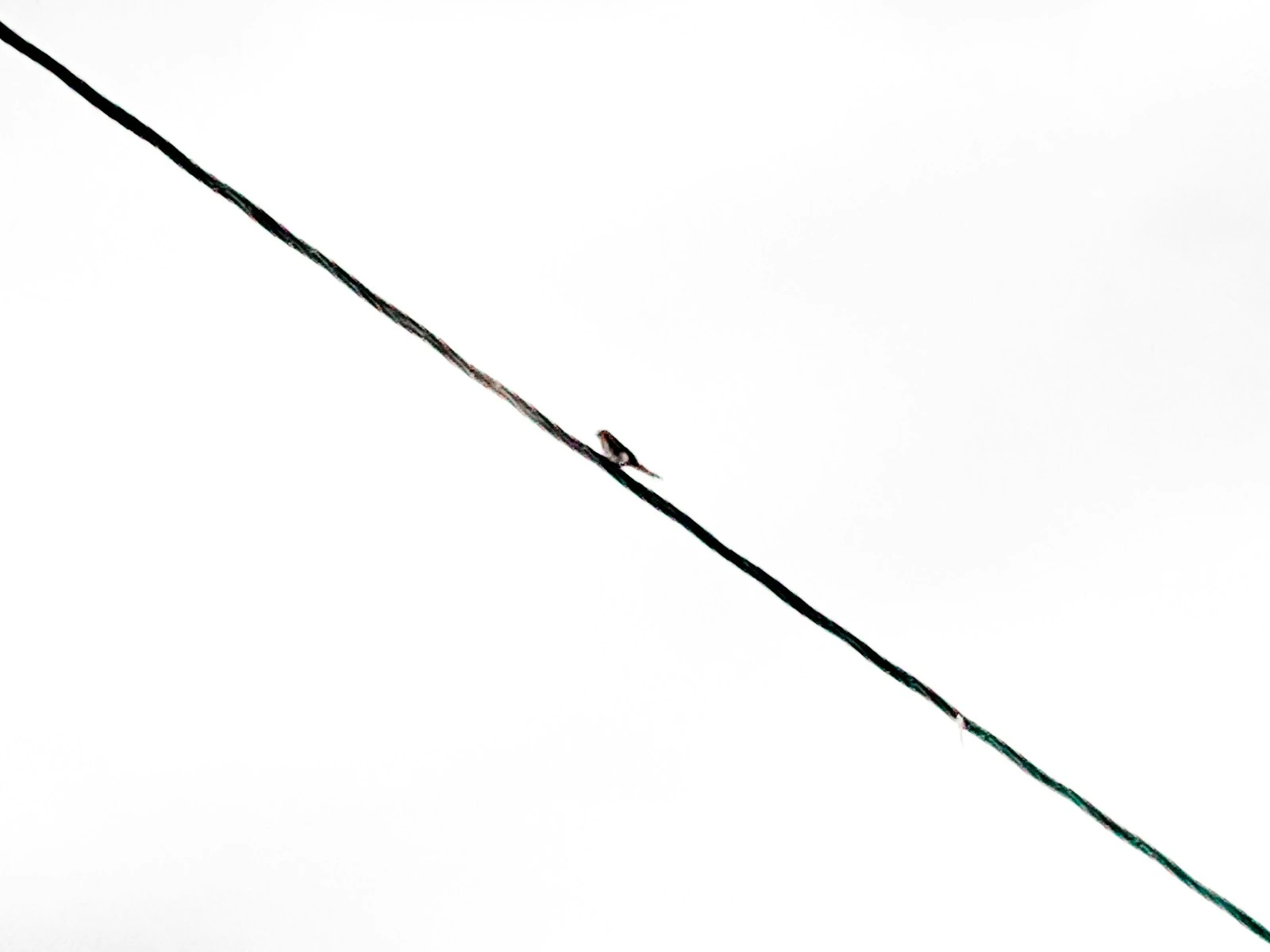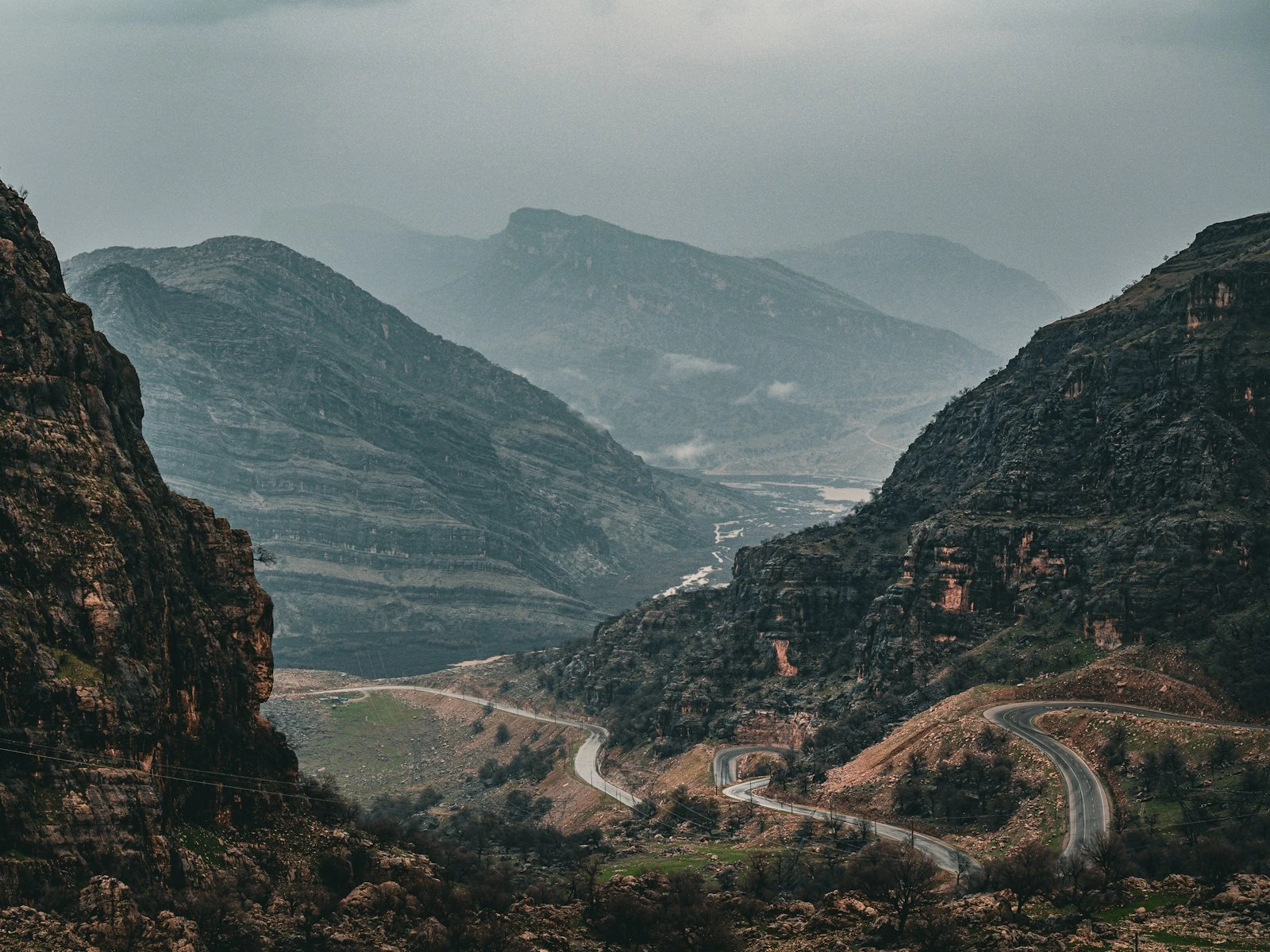
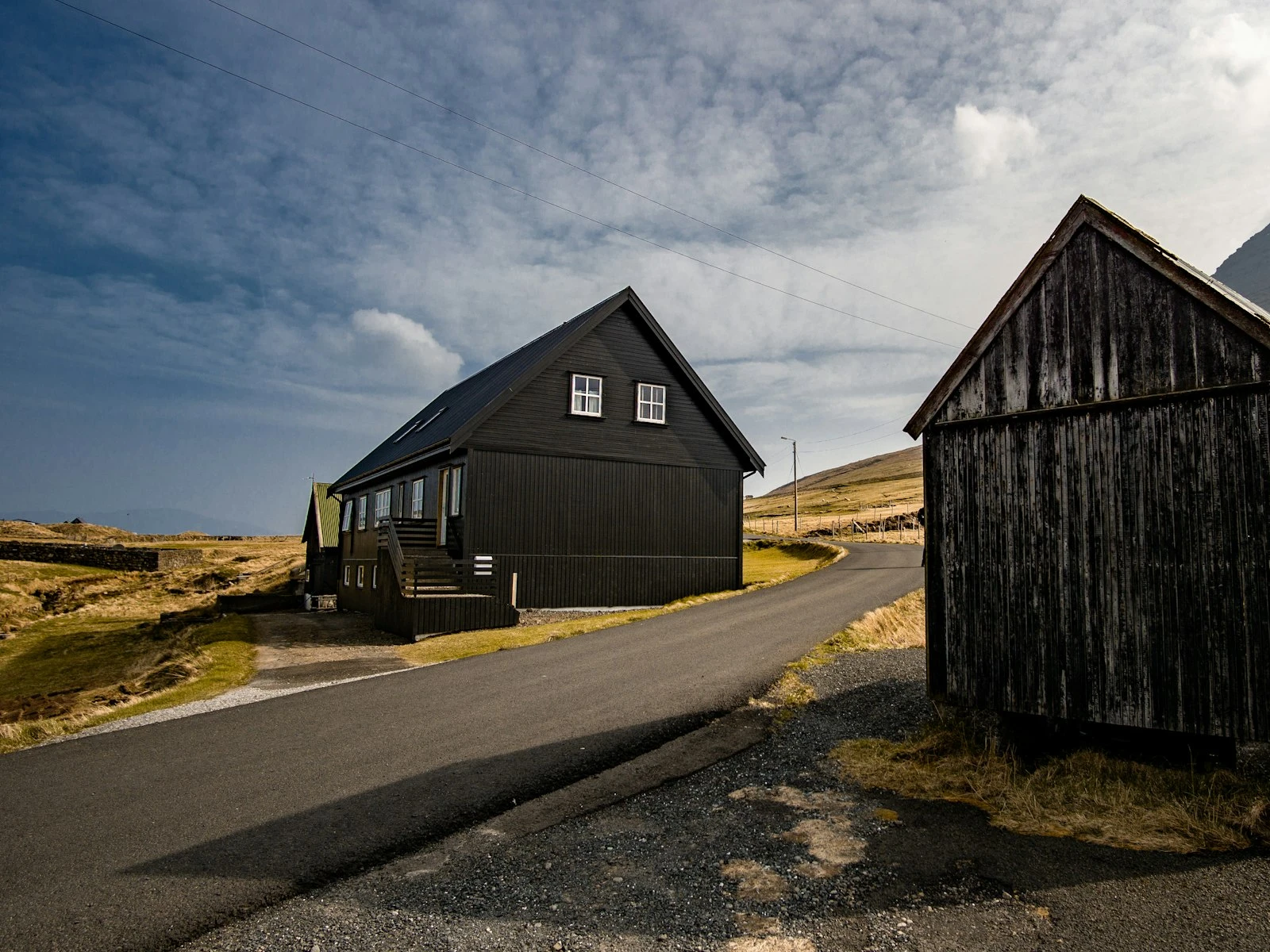
Your photograph is a two-dimensional surface. The viewer's eye will travel across it somehow, either randomly, losing interest, or purposefully, following a visual path you created.
Leading lines create that path.
When used deliberately, lines become invisible guides that pull viewers through your image, directing attention exactly where you want it to go. They're one of the most powerful composition tools available because they work on a subconscious level. Viewers follow lines without realizing they're being guided.
Lines are everywhere, so the real challenge is seeing them as compositional elements and using them intentionally. That's why leading lines are such a central topic in our composition guide.
Why Lines Control Attention
Human vision follows lines instinctively, driven by neurology rather than aesthetics. Our brains are wired to track edges and boundaries as a way of understanding physical space.
When you include a strong line in your photograph, you're hijacking that wiring, and the viewer's eye will follow the line whether they want to or not.
This makes lines uniquely powerful. Other composition techniques suggest where to look; lines compel it.
A road leading to a distant building delivers the viewer's attention directly to it. The journey feels natural, even inevitable.
Types of Lines and What They Communicate
Not all lines create the same effect. The direction, shape, and character of a line changes how it feels.
Horizontal Lines
Horizontal lines suggest stability, calm, and rest. They echo the horizon, the ground we stand on, surfaces we trust.
Use for: Peaceful scenes, stability, width and expansiveness
Watch for: Too many horizontals can feel static or boring. They work best when contrasted with a vertical element or interrupted by the subject.
Vertical Lines
Vertical lines suggest strength, growth, and aspiration. They echo trees, buildings, and standing figures, all things that resist gravity.
Use for: Power, height, formality, growth
Watch for: Verticals can feel imposing or cold. They work well in architecture and forest scenes but can overwhelm more casual subjects.
Diagonal Lines
Diagonal lines create energy, movement, and dynamic tension. They're unstable because our brains expect them to resolve into horizontal or vertical, and that instability creates visual interest.
Use for: Action, energy, drama, leading the eye on a journey
Watch for: Diagonals dominate compositions. Use them intentionally; accidental diagonals can make images feel off-balance or chaotic.
Curved Lines
Curved lines suggest grace, naturalness, and flow. They're less aggressive than diagonals but more interesting than horizontals. The eye follows them smoothly rather than quickly.
Use for: Elegance, natural forms, gentle guidance, keeping viewers engaged longer
Watch for: Curves need somewhere to lead. A curve that doesn't deliver the eye to something meaningful feels incomplete.
Converging Lines
Lines that converge toward a point create depth and draw the eye powerfully toward that convergence point. Railroad tracks, roads disappearing into distance, and architectural perspectives all use this effect.
Use for: Depth, drawing attention to distant subjects, creating three-dimensionality
Watch for: The convergence point becomes a visual magnet. Make sure something meaningful sits there, or the power is wasted.
Finding Lines in Any Scene
Lines are everywhere once you learn to see them:
Obvious lines:
- Roads, paths, sidewalks
- Fences, walls, railings
- Rivers, shorelines, waterways
- Railroad tracks
- Bridges
- Building edges
Less obvious lines:
- Shadows (often stronger than the objects casting them)
- Rows of objects (trees, posts, people)
- Color boundaries where one tone meets another
- Texture transitions
- Implied lines between people looking at each other
- Arm and leg positions in portraits
- Light beams, rays, reflections
Created lines:
- Using shallow depth of field to blur backgrounds creates implied lines along the in-focus plane
- Motion blur can create directional lines
- Long exposures turn moving lights into literal lines
The best line-finding practice is asking yourself "where are the lines in this scene, and where do they lead?" before you shoot.
Using Lines Effectively
Finding lines is the first step. Using them well requires more intention.
Point Lines at Your Subject
The most direct use of leading lines is aiming them at whatever matters most. A path leading to a person. A fence pointing toward a building. A shadow directing attention to an object.
The line becomes a visual arrow saying "look here."
This works best when the line delivers the viewer to the subject rather than past it. If the line continues beyond your subject, it might pull attention away instead of toward.
Use Lines to Create Depth
Converging lines, especially those running from foreground to background, transform flat images into dimensional ones. They give viewers a sense of being able to walk into the photograph.
For landscape photography especially, foreground lines that recede into the distance create the depth that separates strong images from snapshots.
Guide Viewers Through the Frame
Lines don't have to point directly at subjects. They can create a journey, moving the eye through multiple compositional layers in sequence.
An S-curve winding through a landscape keeps viewers engaged longer than a straight line that deposits them at a destination immediately. The journey becomes part of the experience.
Create Entry Points
Lines that begin at the edge of the frame, especially the bottom or corners, create natural entry points. The viewer's eye enters along the line and follows it into the image.
This is why roads starting from the bottom of the frame feel so natural in landscape photos. They match how we enter physical spaces.
Avoid Lines Leading Out
Lines that lead out of the frame can pull attention away from your image entirely, as the viewer's eye follows the line right out of the composition.
Either crop to eliminate exit lines, or balance them with stronger elements that keep attention within the frame.
Common Mistakes with Leading Lines
Lines to Nowhere
A strong line that doesn't lead to anything meaningful wastes its power. If you have a compelling leading line, put something worth seeing at its destination.
Competing Lines
Multiple strong lines pointing different directions fragment attention. Choose one dominant line and subordinate others, or find angles where lines work together.
Accidental Lines
Elements you didn't intend as lines, like telephone wires, background objects, and awkward arms, can create visual paths you didn't plan. Check for unintentional lines that might distract.
Lines Through Subjects
Lines that intersect your subject awkwardly, like a horizon through someone's neck or a pole "growing" from their head, distract and disturb. Move to change the relationship between subject and background lines.
Working with Lines in Different Genres
Landscape Photography
Landscape photographers live and die by leading lines. Foreground elements that draw the eye toward distant subjects create the depth that makes landscapes work on flat screens and prints.
Look for: paths, rivers, fence rows, rock formations, shorelines, rows of trees
Street Photography
Urban environments overflow with lines, from architecture and infrastructure to shadows and crowds. The challenge is choosing which lines to use and which to subordinate.
Look for: building edges, street markings, shadows, transit lines, sidewalk edges
Portrait Photography
Lines in portraits are often implied or subtle, like an arm direction, a gaze, or the edge of a window. Environmental portraits can use architectural lines to frame and direct attention to the subject.
Look for: arm positions, gaze directions, window frames, doorways, furniture edges
Architecture Photography
Buildings are lines, and the challenge is managing the abundance by using some lines deliberately while preventing others from creating chaos.
Look for: structural lines, shadow patterns, perspective convergence, repetitive elements
Practice Exercise: Line Hunting
Spend a session photographing only leading lines. Not subjects that happen to have lines, but lines themselves as the primary compositional element.
Find scenes where lines dominate and experiment with:
- Different angles that change where lines point
- Different positions that change where lines begin
- Different focal lengths that emphasize or compress lines
- Different moments when shadows create different lines
After this exercise, you'll see lines everywhere, and that's exactly the point.
Key Takeaways
- Point leading lines toward your subject so they function as visual arrows that deliver the viewer's attention exactly where you want it.
- Look for less obvious lines like shadows, rows of objects, color boundaries, and implied lines between people, not just roads and fences.
- Make sure something meaningful sits at the destination of converging lines, or the visual power is wasted.
- Avoid lines that lead out of the frame or compete by pointing in different directions, which fragments viewer attention.
- Use lines starting from the bottom or corners of the frame to create natural entry points that pull viewers into the image.
More in This Guide
Continue exploring composition techniques.