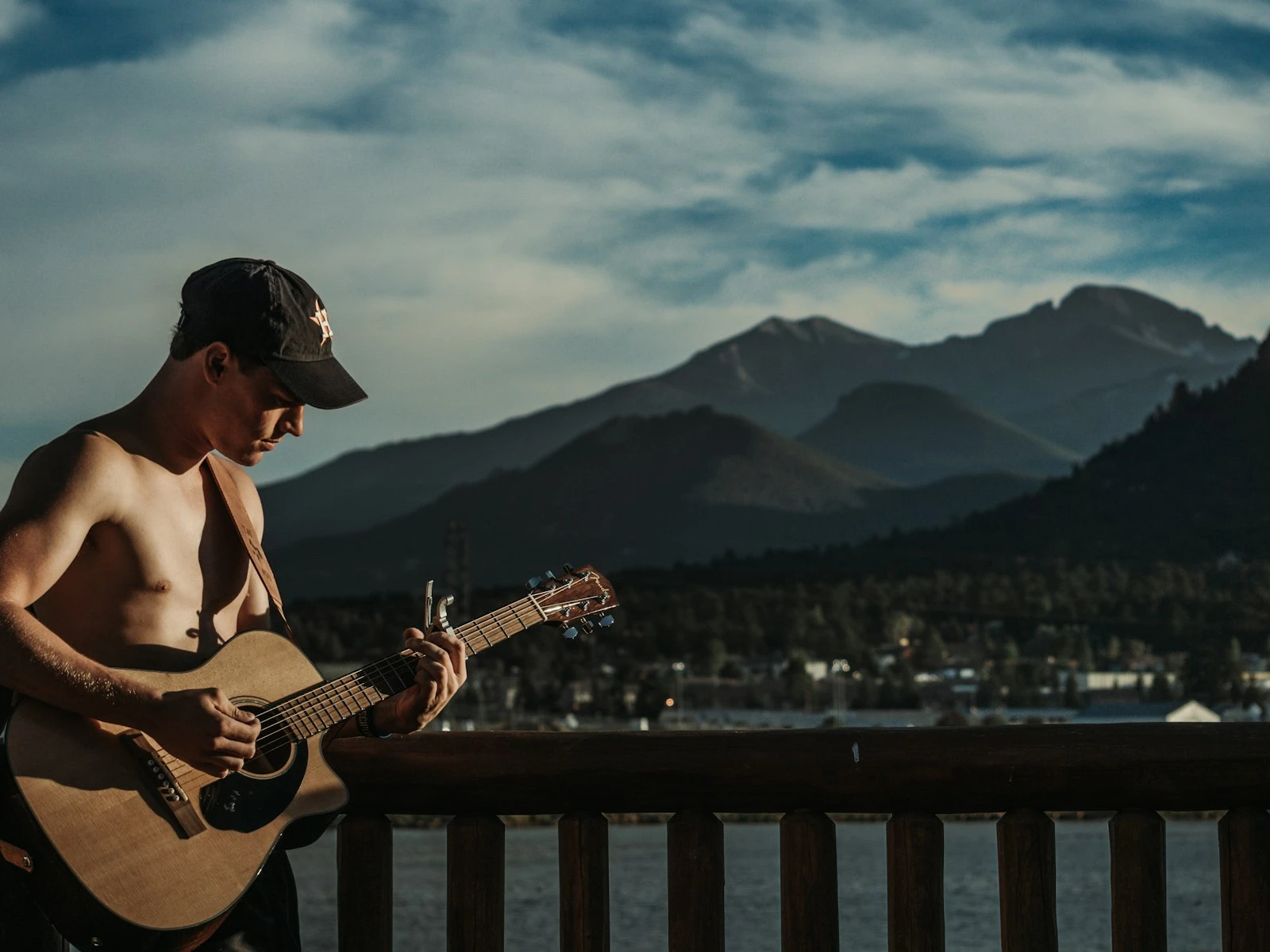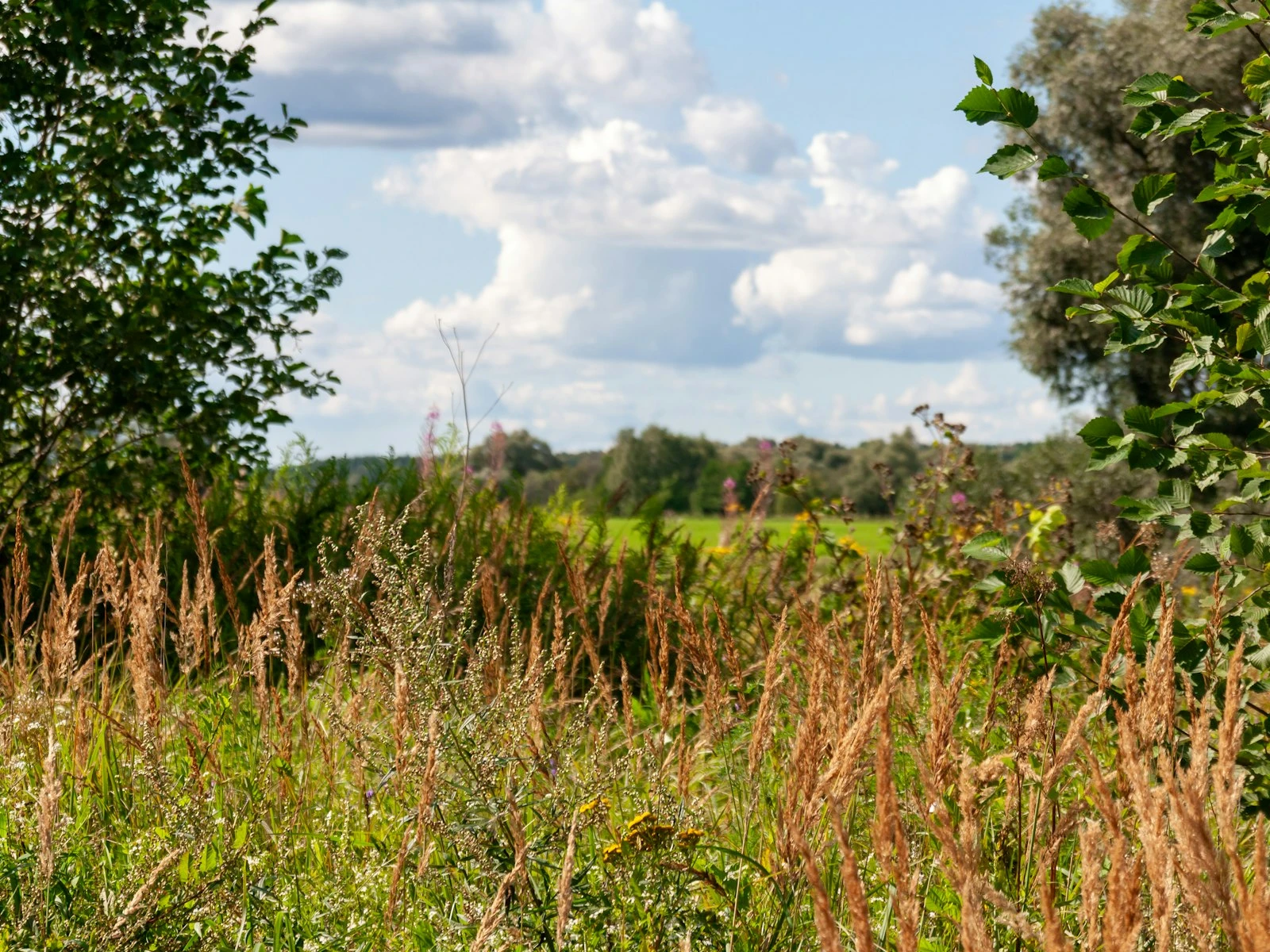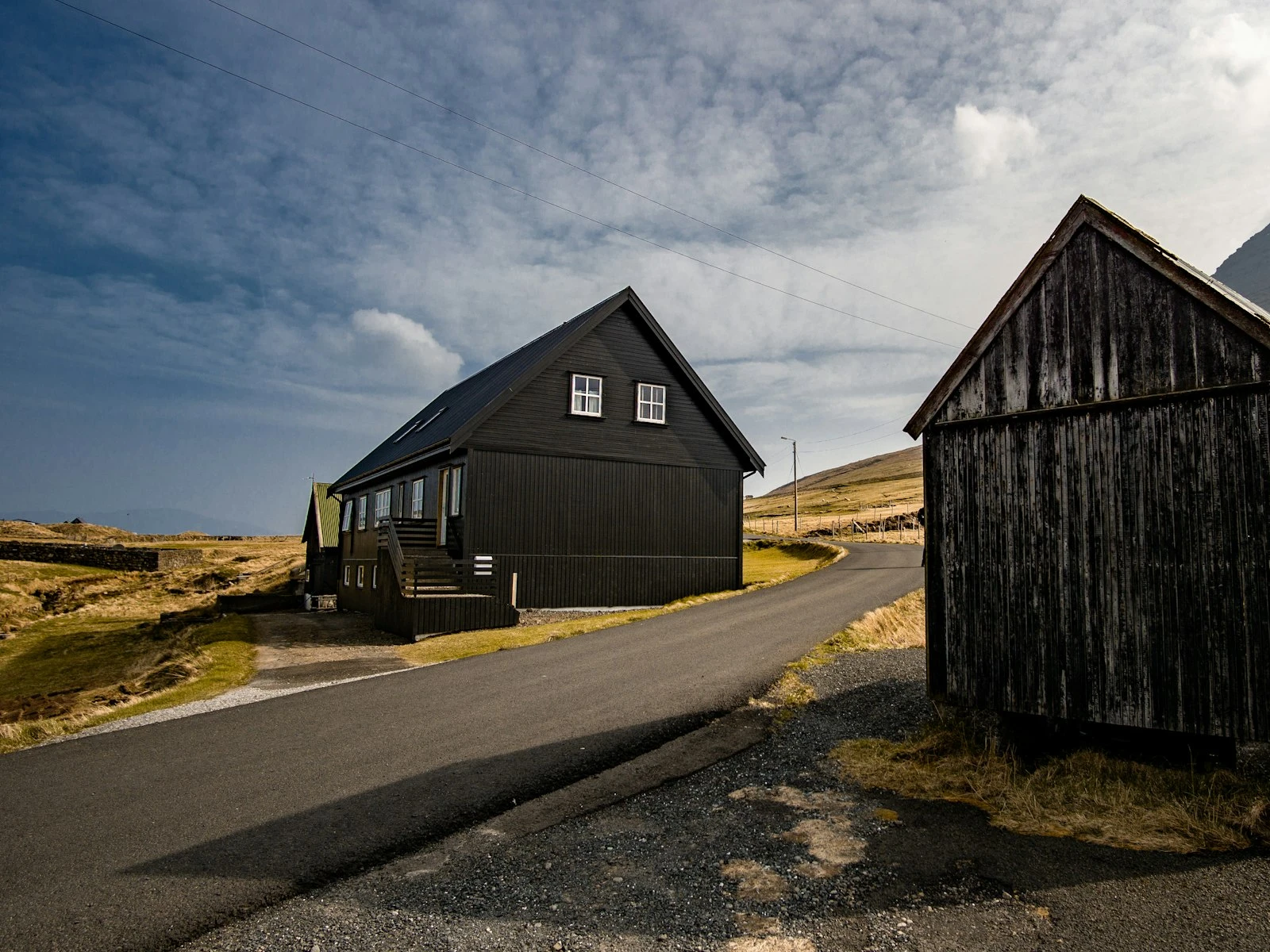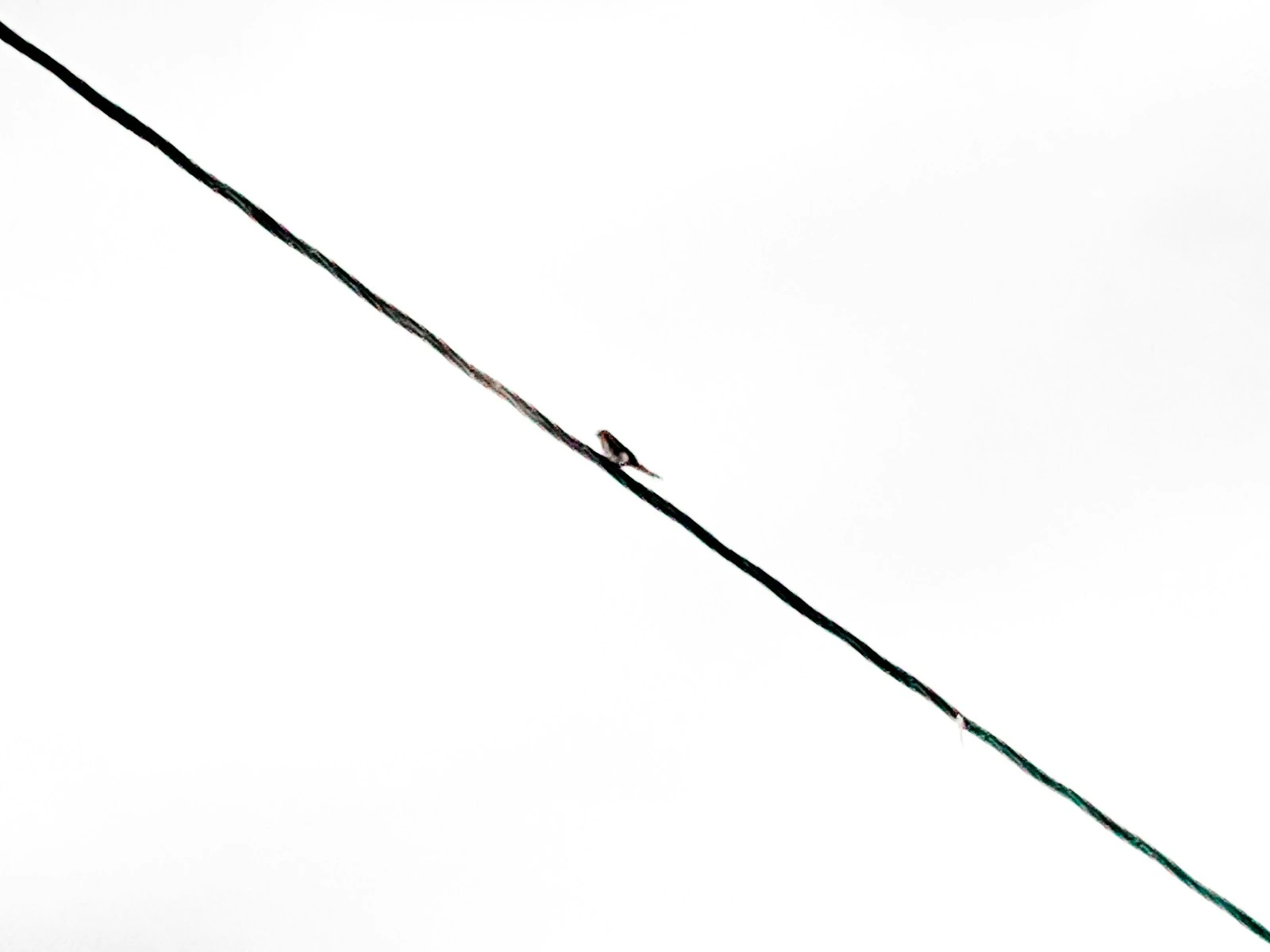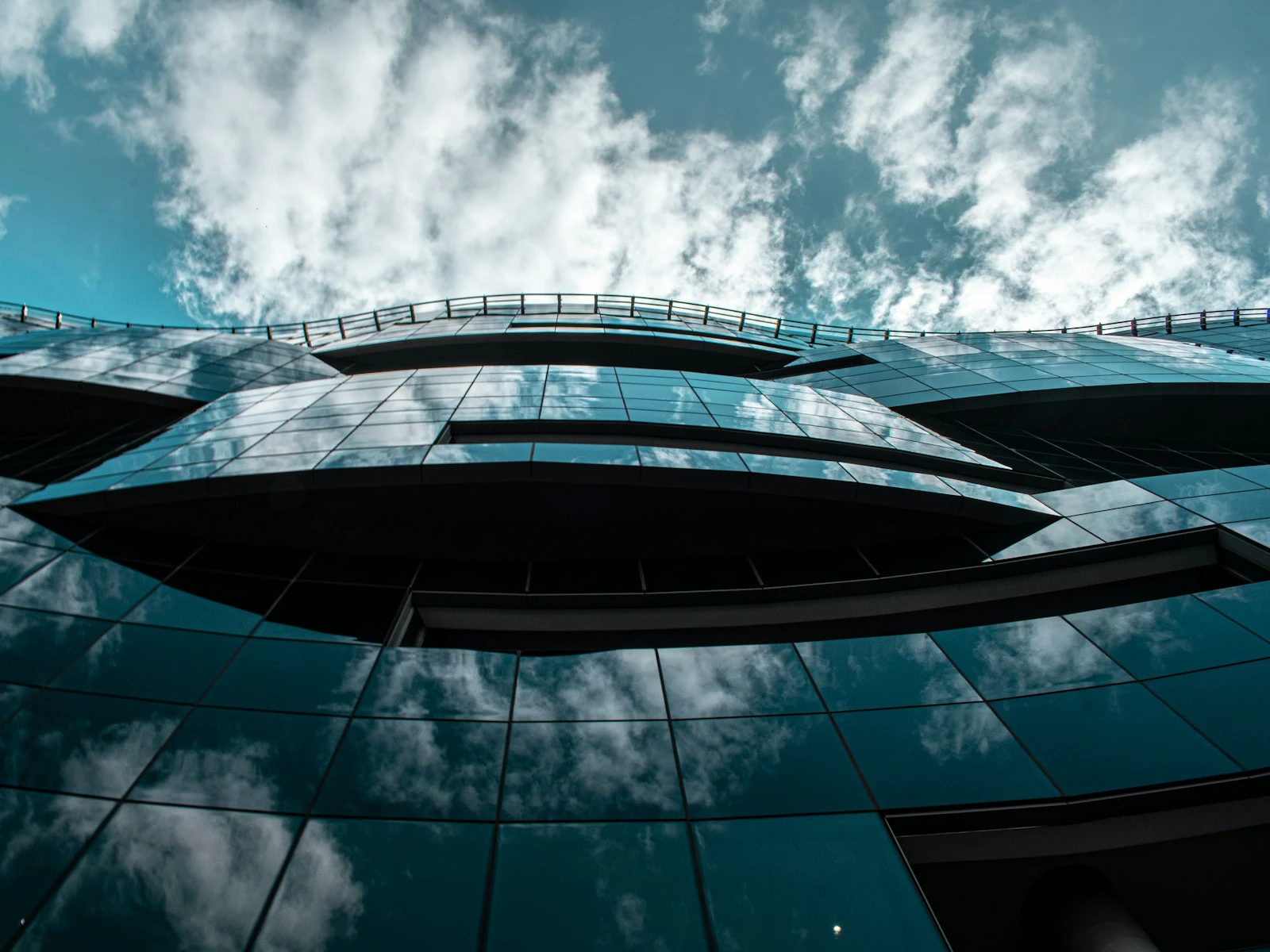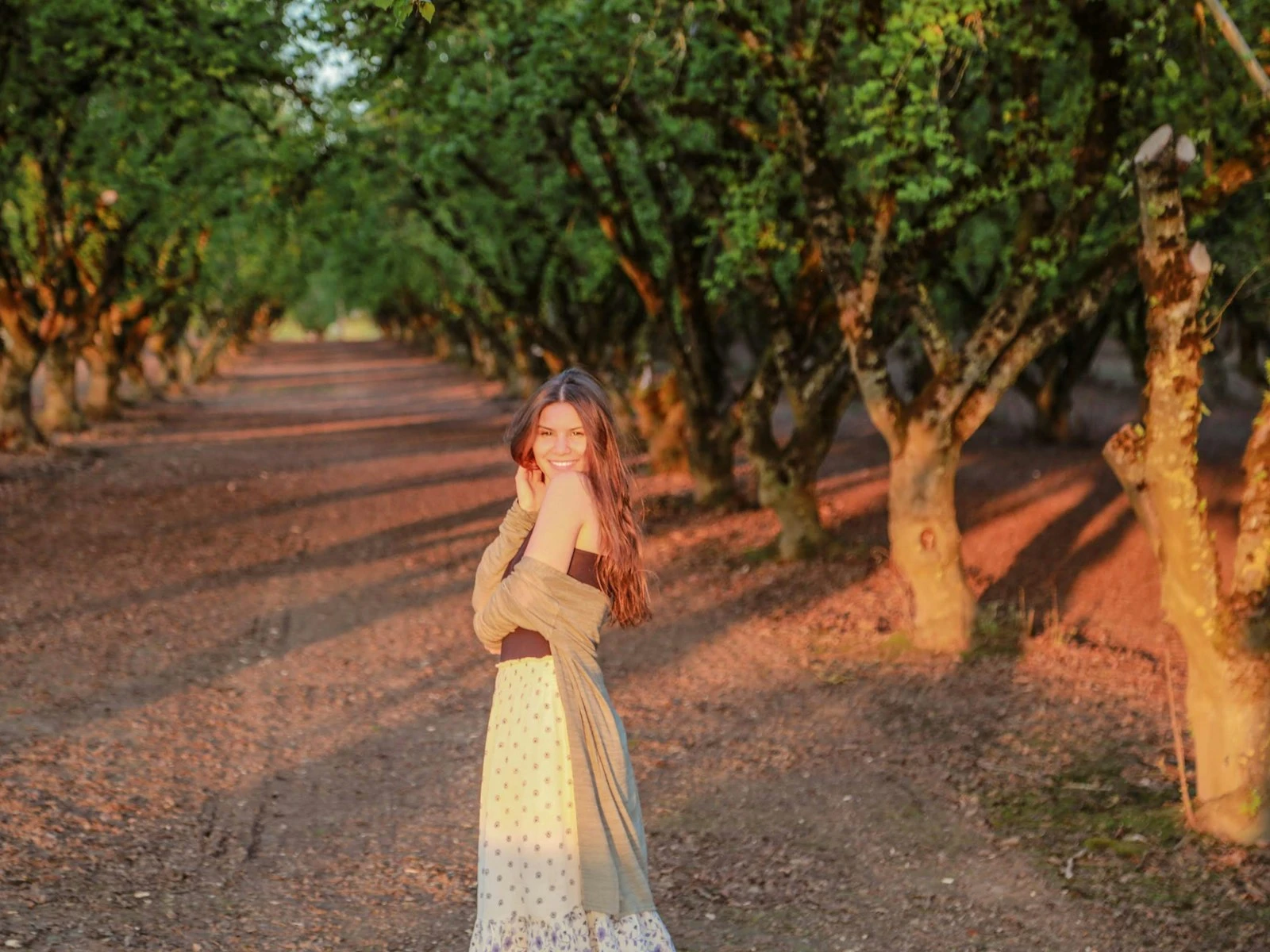
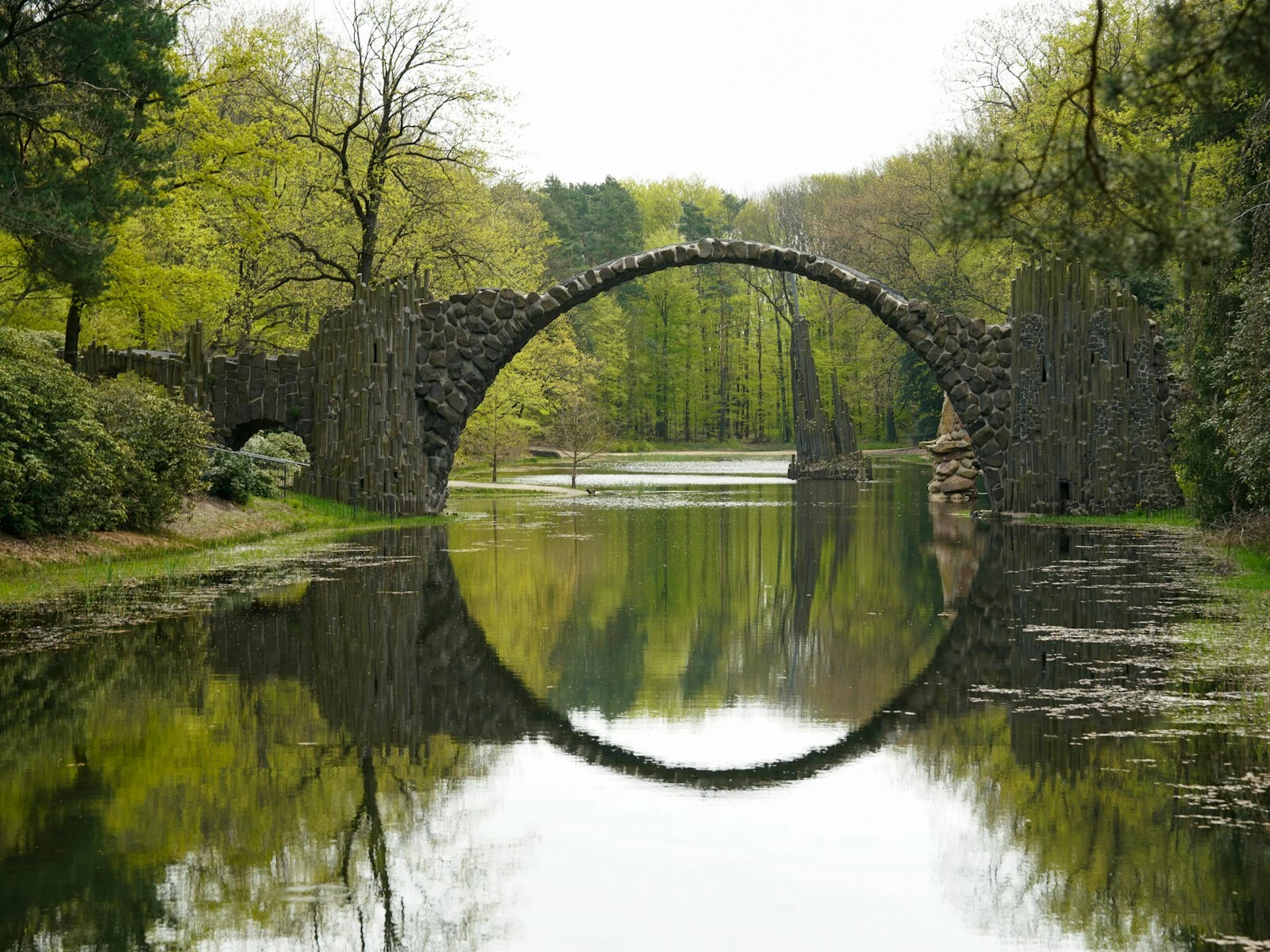
Your camera creates one frame, the rectangular boundary of your image. But within that frame, you can create another.
Natural framing uses elements in your environment to surround your subject with a secondary boundary. Doorways, archways, overhanging branches, and windows all create openings your subject can appear within.
The effect is powerful. Natural frames isolate subjects, add depth, direct attention, and create context simultaneously. They're one of the most versatile techniques in our composition guide, turning the environment into an active participant in your composition rather than passive background.
Why Natural Frames Work
Natural framing leverages several psychological effects at once:
Attention Direction
Frames within frames create layered attention. The outer frame (your image boundary) contains an inner frame (the natural element), which contains your subject. Each layer reinforces the next, funneling attention inward.
Viewers follow this visual funnel automatically, arriving at your subject with a sense of discovery, like looking through a window rather than at a flat surface.
Depth Creation
A frame in the foreground with a subject behind it establishes clear spatial relationships. The frame is here; the subject is there. This front-to-back layering adds dimension to flat images.
The depth is even more pronounced when the framing element is partially out of focus. The blur gradient from frame to subject makes the spatial separation palpable.
Context Without Clutter
Framing elements often establish location, environment, or mood without requiring inclusion of potentially distracting context. A doorway tells you "interior space" without showing the entire room. Branches tell you "forest" without requiring every tree.
Subject Isolation
Framing naturally separates subjects from backgrounds. Even if what's behind your subject is busy or distracting, the frame creates a visual boundary that contains and isolates.
Types of Natural Frames
Architectural Frames
Buildings provide the most obvious framing opportunities:
- Doorways and door frames
- Windows looking in or out
- Archways and passages
- Columns and pillar gaps
- Stairs and balconies
- Tunnels and covered walkways
Architectural frames often offer clean, geometric shapes that create strong visual structure.
Organic Frames
Nature creates frames that feel less formal:
- Tree branches and canopy openings
- Cave mouths and rock formations
- Flower arrangements at close range
- Grass or reeds at ground level
- Gaps in foliage
Organic frames typically have irregular edges that feel more casual than architectural frames.
Environmental Frames
Elements that aren't inherently frame-shaped can still function as frames:
- Shadows falling across a scene
- Light patches surrounded by darkness
- Crowds parting around a subject
- Vehicle interiors (car windows, rearview mirrors)
- Hands cupped around something
These require more attention to spot but can create unexpected and interesting framings.
Implied Frames
Sometimes the frame is partial or suggested rather than complete:
- A single tree on one side and a building on another
- A shadow creating just one edge
- Out-of-focus foreground elements on two sides
Implied frames can be subtler and less heavy-handed than complete enclosures.
Using Natural Frames Effectively
Match Frame Weight to Subject Importance
The frame should support, not overwhelm. A heavy, dark, dominant frame around a small, subtle subject can feel unbalanced because the container matters more than the contents.
Generally, more prominent subjects can handle heavier frames. Delicate subjects need lighter, more subtle framing.
Consider the Frame's Meaning
Frames carry meaning beyond their compositional function. A prison window suggests confinement. An open doorway suggests possibility. Tangled branches might suggest confusion or natural beauty depending on context.
The frame you choose communicates something about your subject. Make sure it's saying what you intend.
Control Frame Sharpness
You have a choice between sharp frames and soft frames.
Sharp frames (small aperture, frame in focus): Create a strong sense of place and layering. The frame is definitely there, definitely separate from the subject.
Soft frames (wide aperture, frame out of focus): More subtle, more atmospheric. The frame exists as a blur of color and shape rather than a defined object. Often feels less contrived.
Neither is better, as they serve different purposes.
Leave Breathing Room
A frame that completely touches or covers your subject can feel suffocating. Unless that's your intent, leave some negative space between frame edges and subject edges.
The subject should exist within the frame, not appear trapped against it.
Find the Cleanest Part
Natural frames often include distractions like spots of brightness, partial text, and other elements, so position yourself to use the cleanest section of a potential frame.
A window might frame perfectly from one angle and terribly from another depending on what's visible on its edges.
Common Natural Framing Mistakes
The Frame Dominates
When the frame becomes more visually interesting than the subject, attention reverses. The subject becomes incidental to the frame rather than the frame serving the subject.
Watch for frames that are too bright, too colorful, too sharply detailed, or too interesting in texture relative to what they surround.
Awkward Intersections
Where frame elements meet your subject matters. A branch appearing to grow from someone's head or a doorframe cutting awkwardly across an important element creates unintended associations.
Move slightly to change these relationships before shooting.
Incomplete Frames That Feel Accidental
Partial frames work when they're clearly intentional. When they feel accidental, like you almost included a frame but didn't quite manage it, they look like mistakes.
Either commit to the frame (include enough to read as framing) or eliminate it (exclude it entirely).
Forced Frames
Seeking out frames obsessively leads to contrived compositions where the frame feels shoehorned rather than natural.
Use frames when they serve the image. Let them go when they don't.
Finding Frames in the Field
Before Shooting
Survey your environment specifically for framing opportunities:
- What architectural elements create openings?
- Are there plants or objects between you and your subject?
- Where does light create frame-like patterns?
- What could you position yourself behind to create foreground framing?
During Shooting
Move to test different framings:
- Get lower to bring foreground elements into framing position
- Move laterally to change alignment between frames and subjects
- Try different distances, since close to frames makes them blur and surround more, while distant from frames keeps them sharp and defined
Explore Different Angles
The same potential frame changes dramatically with camera position. A doorway that creates a perfect frame from one angle becomes an awkward partial element from another.
Circle the opportunity. Try extreme positions. The best framing might not be the obvious one.
Technical Considerations
Exposure Choices
Frames often differ in brightness from subjects. A dark doorway frames a bright exterior; sunlit branches frame a shaded subject. Your exposure choice determines how frame and subject relate.
Expose for the subject: The frame may go very dark or very bright, becoming more abstract and less literal.
Expose for the frame: Your subject may be under or overexposed, which can work stylistically or look like a mistake.
Compromise: Both frame and subject partially visible but neither perfect. Often unsatisfying.
Consider which element matters more and expose accordingly.
Focus Decisions
Where you focus affects how the frame reads:
Focus on subject: Frame blurs according to distance and aperture. Creates clear separation and depth.
Focus on frame: Subject blurs. Rarely what you want unless the frame is actually the subject.
Deep focus (both sharp): Creates a more documentary feel with clear spatial relationships. Requires smaller apertures.
Focal Length Effects
Wide angles make frames feel more encompassing because they surround more thoroughly.
Longer lenses compress frame and subject, making the framing feel tighter and more closely coupled.
Choose focal length partly based on how much enclosure you want the frame to create.
Practice: Frame Hunting
Spend a session photographing only through frames. Make it your compositional constraint for the day.
Requirements:
- Every photo must use some form of natural framing
- Try both architectural and organic frames
- Experiment with sharp and soft frames
- Test different exposure approaches
By the end, you'll see framing opportunities everywhere. That awareness becomes automatic and enriches your compositional options permanently.
Key Takeaways
- Use doorways, archways, branches, and windows to create a frame within your frame that funnels attention toward your subject.
- Keep the frame subordinate to the subject by ensuring it does not become more visually interesting, brighter, or more detailed than what it surrounds.
- Choose between sharp frames (strong sense of place and layering) and soft/blurred frames (more subtle and atmospheric) based on the mood you want.
- Leave breathing room between the frame edges and your subject so they exist within the frame rather than feeling trapped against it.
- Either commit fully to framing (include enough to clearly read as a frame) or exclude it entirely, since partial frames often look accidental.
More in This Guide
Continue exploring composition techniques.