
Most composition advice pushes you toward asymmetry, with rule of thirds, off-center placement, and dynamic tension all favoring imbalance.
For good reason, since asymmetry creates visual interest, energy, and movement that feels more natural, more dynamic, more alive.
But symmetry has its own kind of power, offering calm instead of energy, order instead of chaos, and confrontation instead of observation.
The real question, and one we explore throughout our composition guide, is when symmetry serves your image better than asymmetry would.
What Symmetry Communicates
Symmetry carries specific meaning.
Order and control. Symmetrical compositions feel designed, intentional, almost mathematical. Chaos is eliminated; everything is in its place.
Calm and stability. Without visual tension pulling attention in different directions, symmetrical images feel restful, balanced, grounded.
Formality. Symmetry creates a formal, presentational feeling. The image is showing you something directly, not catching it casually.
Confrontation. Centered, symmetrical subjects face the viewer head-on. There's no escape into surrounding space. The subject demands attention.
Perfection (or the uncanny). Depending on context, symmetry can feel satisfyingly perfect or unsettlingly artificial. Human environments are rarely symmetrical; when they are, it can feel either beautiful or wrong.
These qualities make symmetry powerful for specific purposes, and completely wrong for others.
When Symmetry Works Best
Architecture
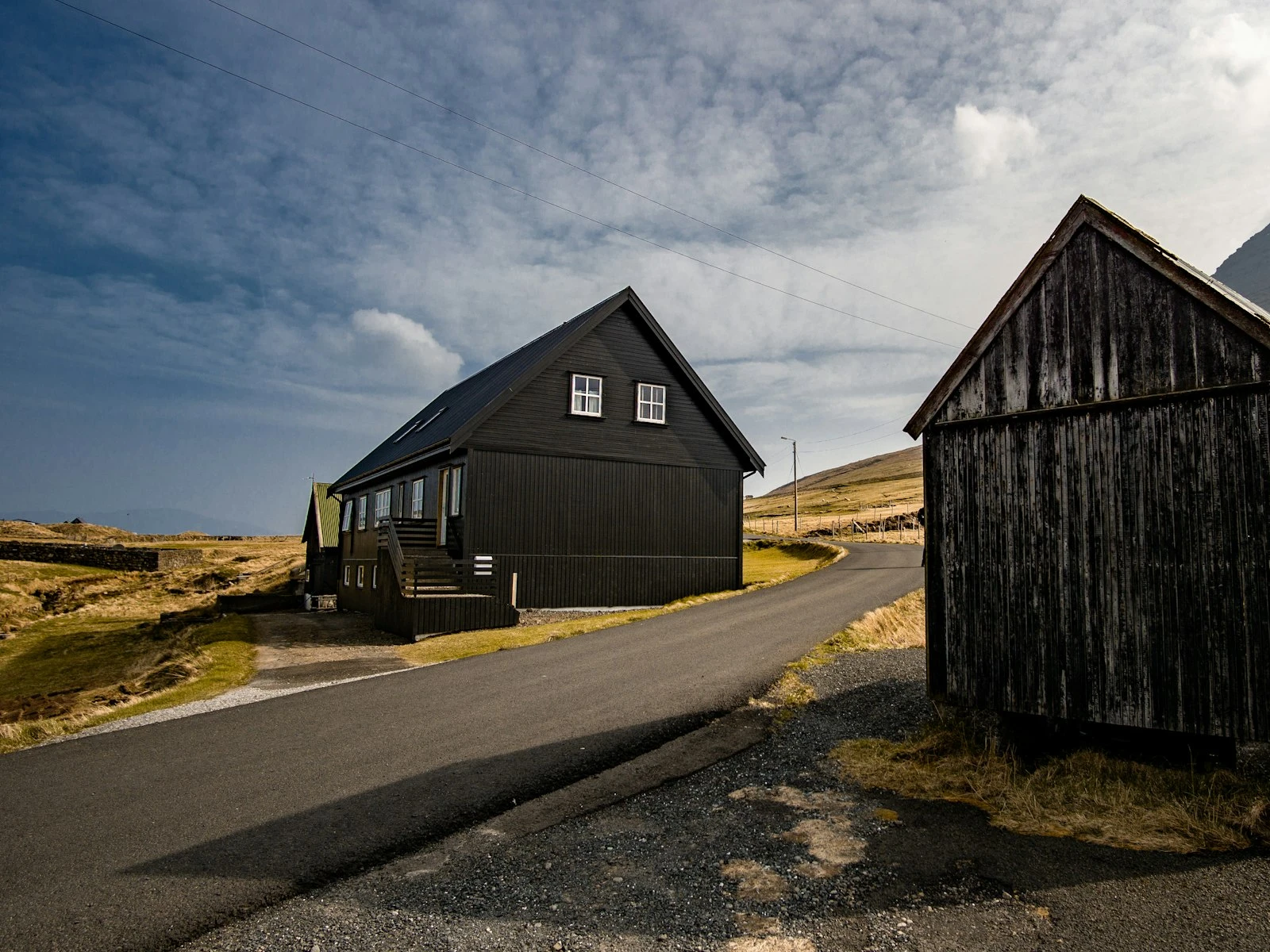
Buildings are often designed symmetrically, and photographing them that way honors the architect's intent. Symmetrical architectural shots feel deliberate, respectful, and clean.
The key is true symmetry, because approximate symmetry in architecture photography looks like a mistake, as if you tried for symmetry but couldn't quite achieve it.
Reflections
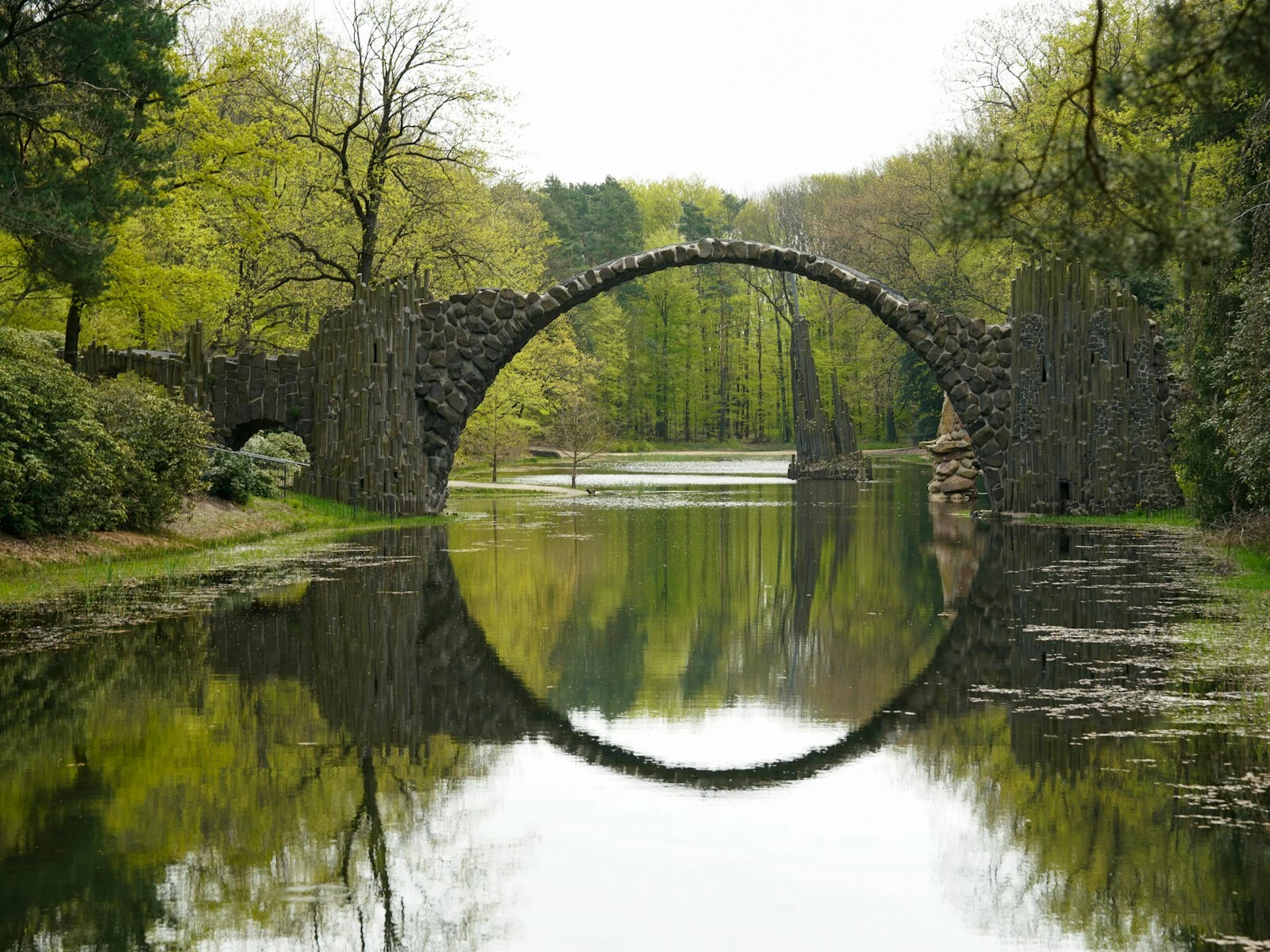
Water reflections, mirror surfaces, and any scene that includes a mirrored element naturally invite symmetrical treatment because the reflection is the subject and symmetry emphasizes it.
Reflection shots often work with the horizon centered, which is unusual in other contexts but appropriate when both halves of the frame carry equal visual weight.
Formal Portraits
Centered, symmetrical portraits create direct confrontation between subject and viewer, where the subject presents themselves to you rather than existing in an environment.
This works for:
- Headshots and professional portraits
- Character studies emphasizing intensity
- Formal or ceremonial imagery
- Situations where directness serves the subject
It doesn't work when you want:
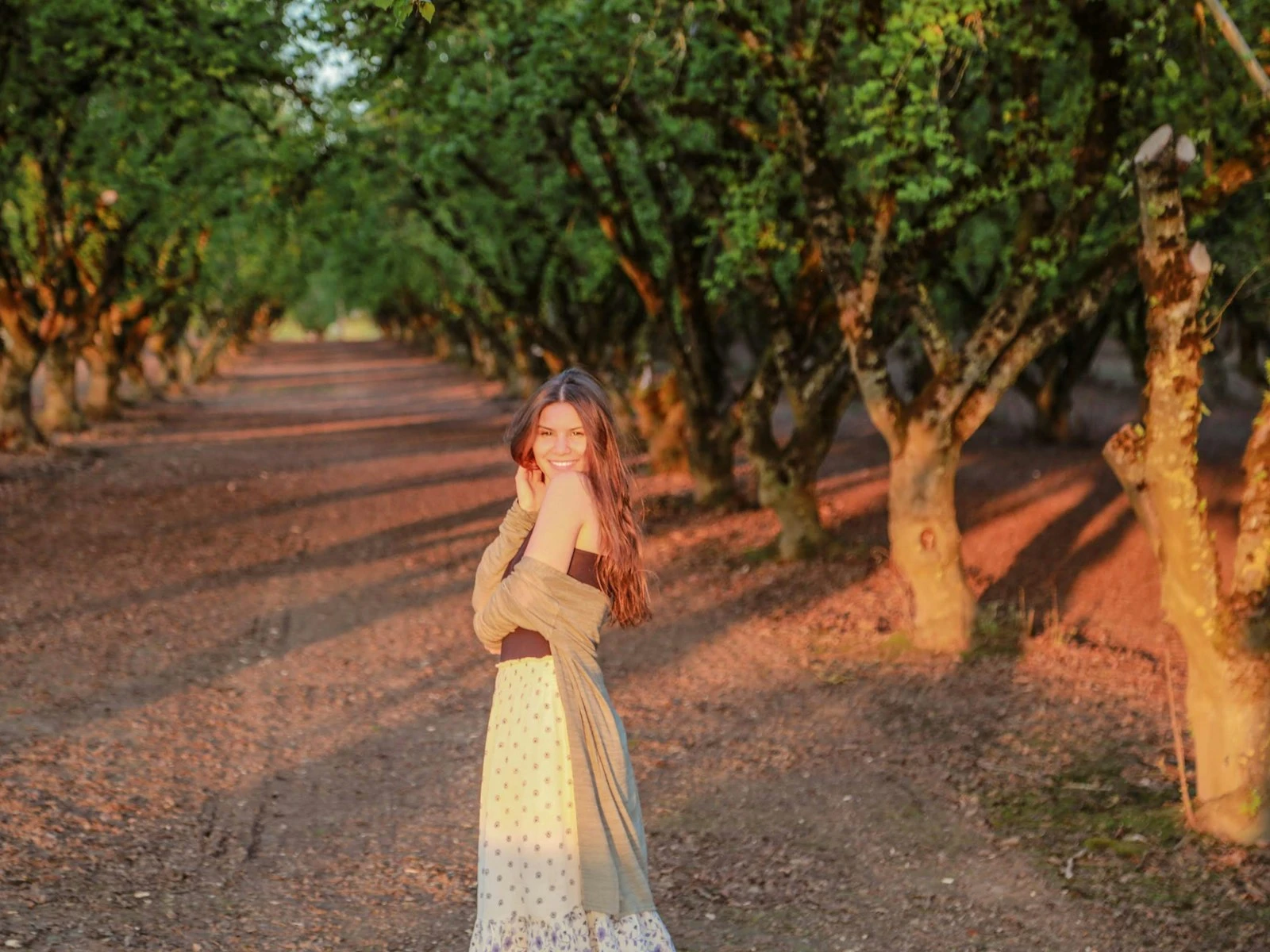
- Casualness or candidness
- Environmental context
- Dynamic energy
- The subject to exist in a world rather than a void
Patterns and Repetition
When patterns are the subject, symmetrical framing often enhances them. The regularity of the pattern is emphasized by the regularity of the composition.
This includes both man-made patterns (tiles, architecture, designed elements) and natural patterns (butterfly wings, flowers, certain geological formations).
Graphic and Minimal Compositions
When you're creating an image that's more graphic design than documentary with something clean, simple, and bold, symmetry often strengthens the visual impact.
Minimalist compositions with clear subjects frequently benefit from symmetrical treatment. The simplicity of the subject matches the simplicity of centered placement, and negative space around a centered subject reinforces the stillness.
Specific Emotional Effects
Beyond subject type, symmetry serves certain emotional intents:
- Serenity and peace
- Power and authority
- Intensity and confrontation
- Perfection and order
- The uncanny or artificial
If these feelings serve your image, symmetry might be the right choice.
Types of Symmetry
Not all symmetry is the same.
Vertical Symmetry (Left-Right Mirror)
The most common type. The left and right halves of the frame mirror each other across a vertical center line.
Works for: architecture facades, centered portraits, formal presentations.
Horizontal Symmetry (Top-Bottom Mirror)
The top and bottom halves mirror each other. Less common except in reflection photography.
Works for: reflections, certain abstract compositions, specific architectural situations.
Radial Symmetry
Elements radiate from a center point. Think wheels, flowers, circular architecture.
Works for: patterns with circular organization, looking up in domes, certain natural forms.
Near-Symmetry
Almost but not quite symmetrical. A person's face, for example, or architecture with slight variations.
This is tricky territory, since near-symmetry can feel like failed symmetry rather than intentional variation. Either commit to true symmetry or break it more decisively.
Achieving True Symmetry
If you're going for symmetry, precision matters because approximate symmetry looks like a mistake.
In Camera
- Find the true center line of your subject
- Position yourself precisely on that center line
- Use a tripod and level
- Check edges carefully: is symmetry maintained to the frame boundaries?
- Zoom in on your LCD to verify alignment
In Post
Even careful in-camera work often needs refinement:
- Most editing software has alignment and symmetry guides
- Use the transform/perspective tools to correct minor misalignments
- Consider the flip test: flip the image horizontally and see if it looks different (it shouldn't in true symmetry)
When Perfect Isn't Possible
Sometimes subjects prevent perfect symmetry, like architectural details that aren't quite matched or natural forms that are almost but not quite mirrored.
In these cases, decide whether to:
- Embrace the imperfection (make peace with near-symmetry)
- Break symmetry more deliberately (shift to asymmetrical composition)
- Find a different angle where symmetry is achievable
The middle ground of attempting symmetry but not achieving it usually produces the weakest result.
Breaking Symmetry Deliberately
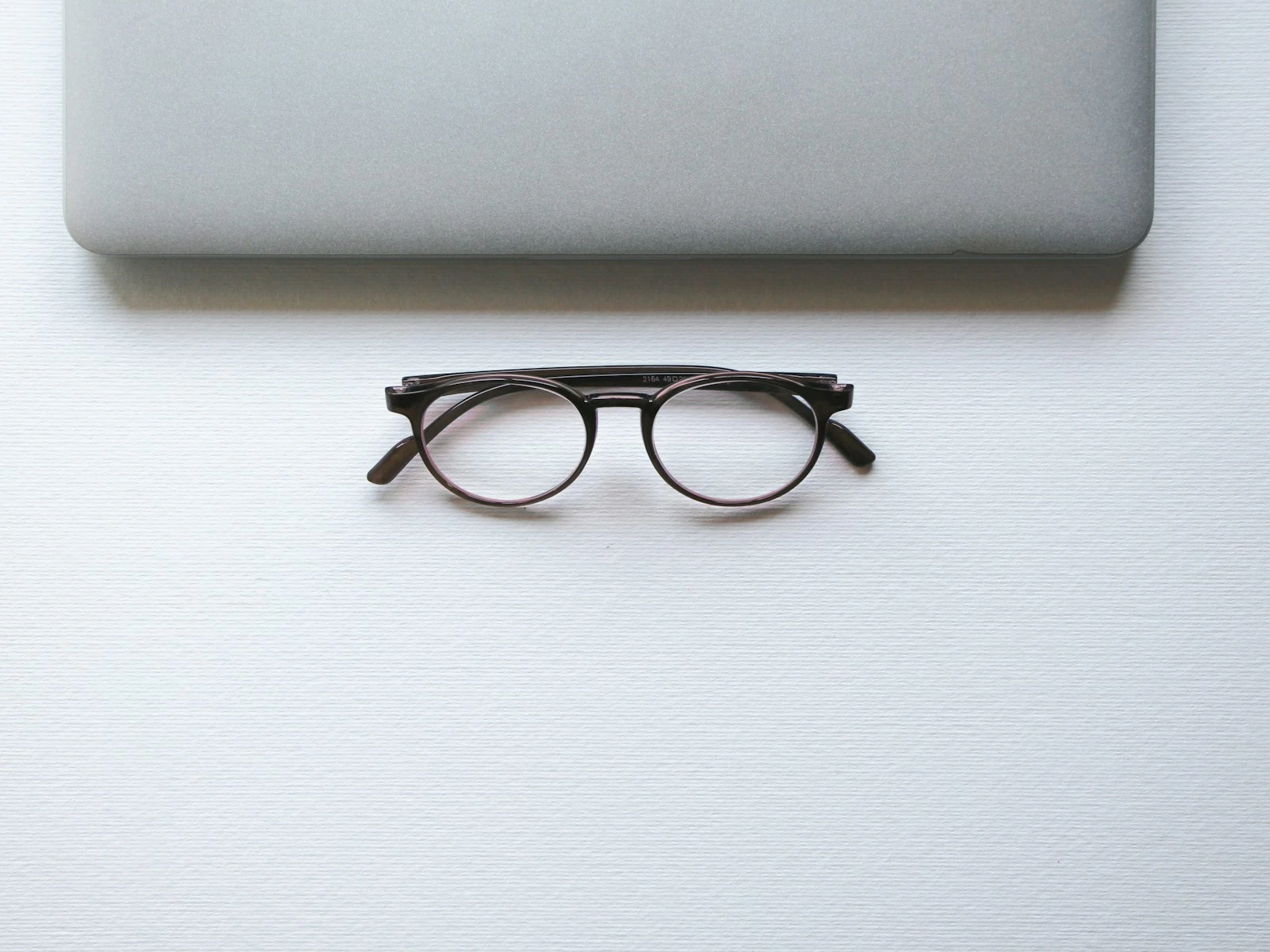
Symmetrical subjects don't require symmetrical compositions, and sometimes breaking the symmetry creates more interesting images.
Off-center symmetrical subjects create tension between the subject's internal balance and its position in the frame.
Asymmetrical crops of symmetrical subjects can emphasize one element over its mirror.
Introducing asymmetric elements into symmetrical scenes (a person walking through symmetrical architecture) creates productive contrast.
The key is deliberateness, since broken symmetry should feel like a choice and not an accident.
The Symmetry Test
When evaluating whether to use symmetry, ask:
Is the subject inherently symmetrical? If yes, symmetry is at least worth trying.
What feeling do I want? If it's calm, order, confrontation, or formality, symmetry supports those. If it's energy, narrative, or casualness, asymmetry likely serves better.
Can I achieve true symmetry? If not, would near-symmetry look intentional or like a mistake?
What would asymmetry add? Sometimes asymmetry adds dynamic interest. Sometimes it just adds distraction to a subject that wants simplicity.
What's conventional for this type of image? Architecture often goes symmetrical; street photography rarely does. Consider whether you're following or breaking convention, and why.
Practice: Symmetry Study
Find a symmetrical subject like a building facade, a reflection, or a pattern. Photograph it both ways:
- Perfectly symmetrical composition (centered, level, precise)
- Deliberately asymmetrical (off-center, dynamic placement)
Compare the results. Notice what each approach gains and loses. The comparison builds intuition for when each serves best.
Then find an asymmetrical subject and try to find symmetry within it, like a centered element within an unbalanced scene or a reflection that creates symmetry where none existed.
Symmetry is a tool. The more you practice using it deliberately, the better you'll recognize when it's the right choice.
Key Takeaways
- Use symmetry for architecture, reflections, formal portraits, and patterns where calm, order, or confrontation serve the image.
- If you commit to symmetry, achieve it precisely, because approximate symmetry looks like a mistake rather than an intentional choice.
- Break symmetry deliberately when you want energy, narrative, or casualness, and make the break obvious enough to read as intentional.
- Symmetry works best when the subject is inherently symmetrical; forcing symmetry onto asymmetrical subjects usually produces weak results.
More in This Guide
Continue exploring composition techniques.