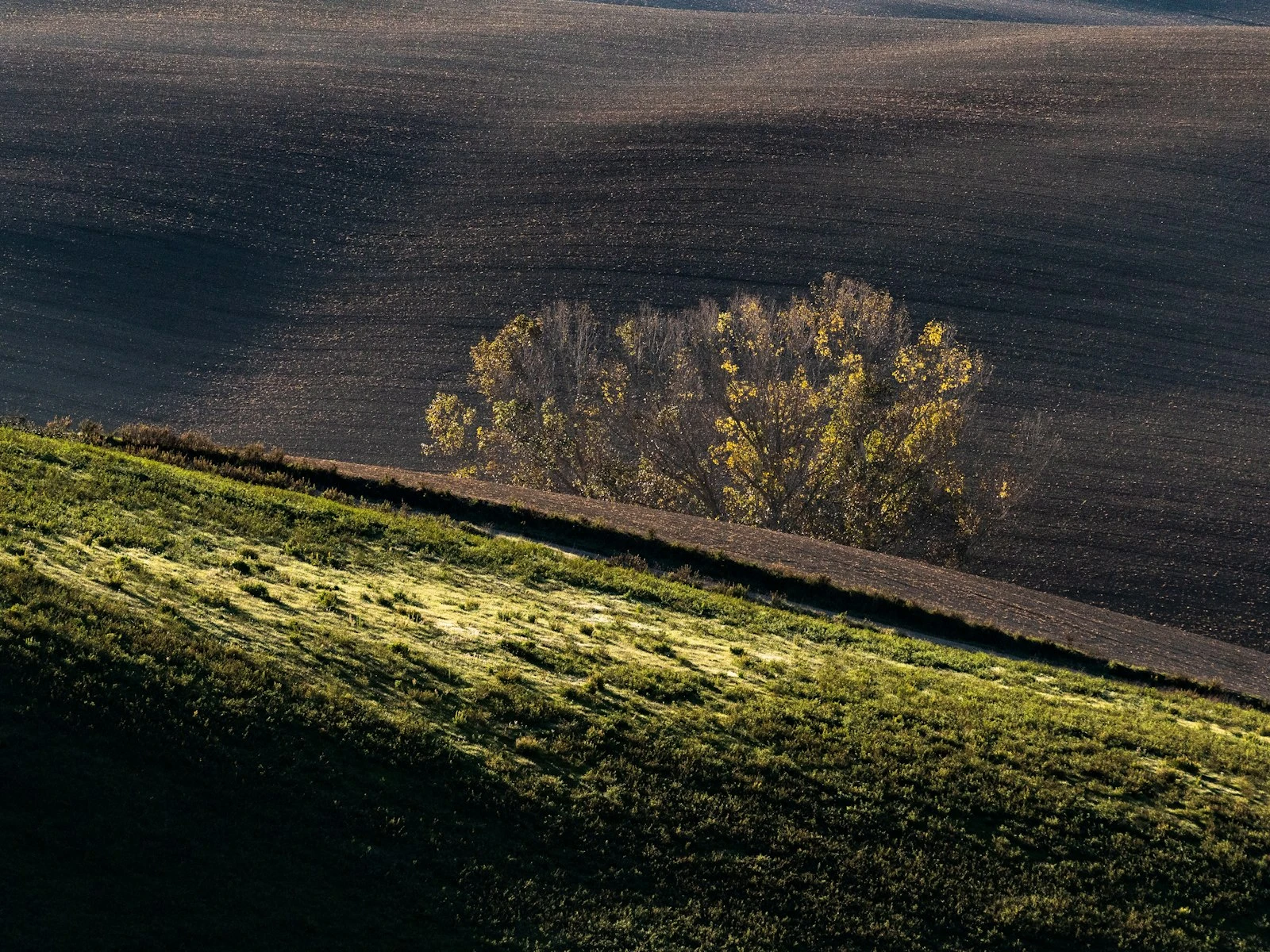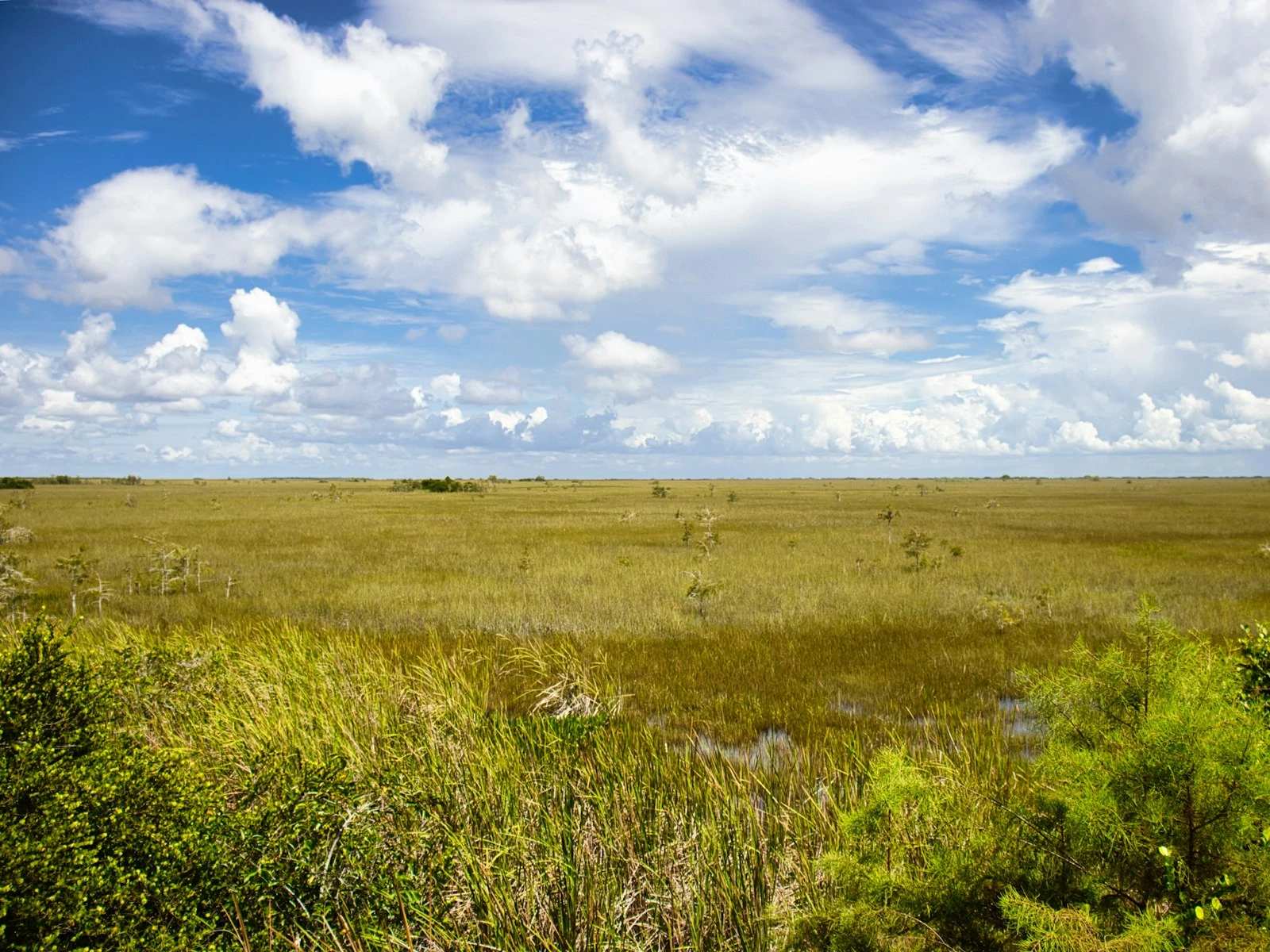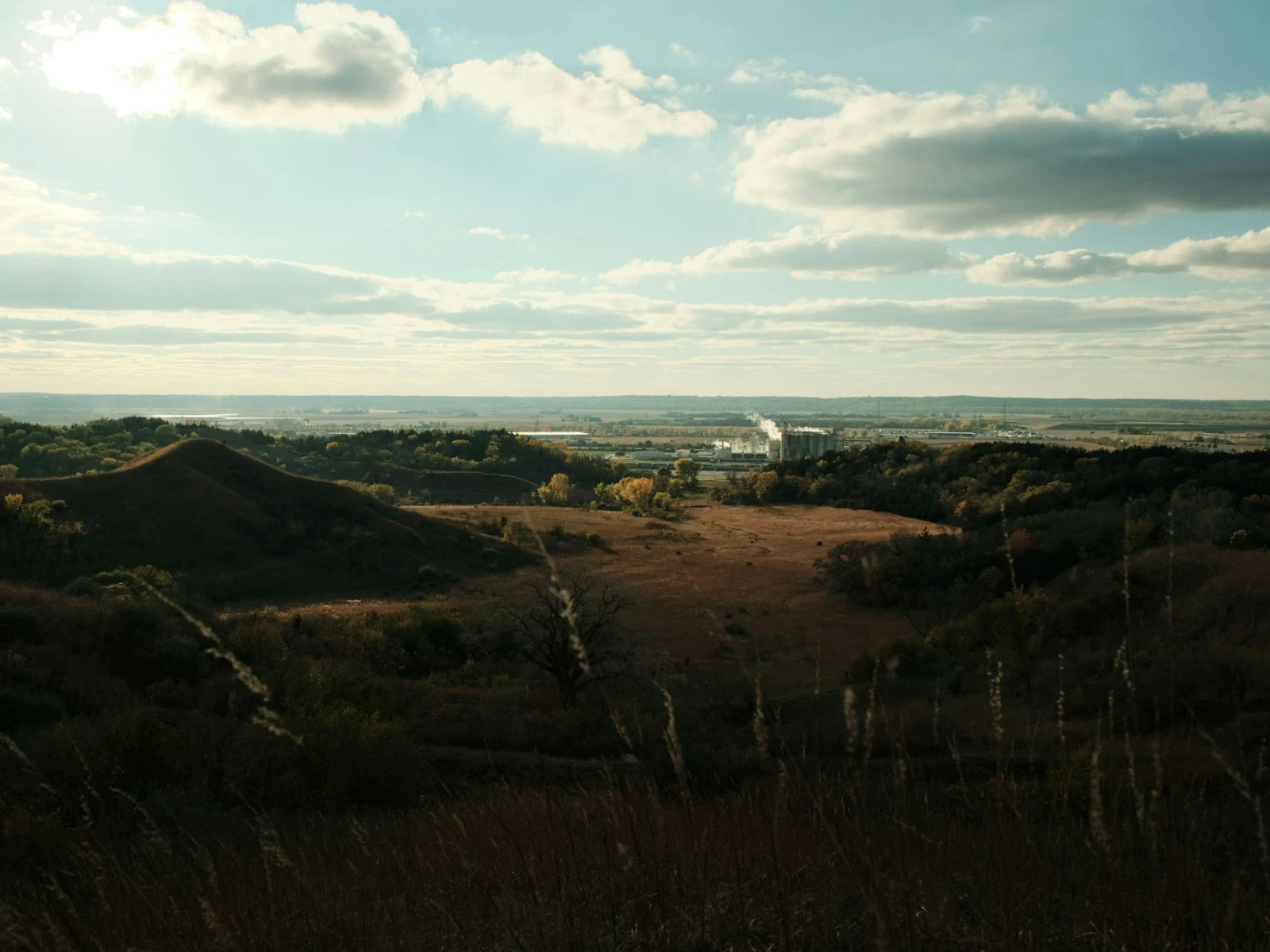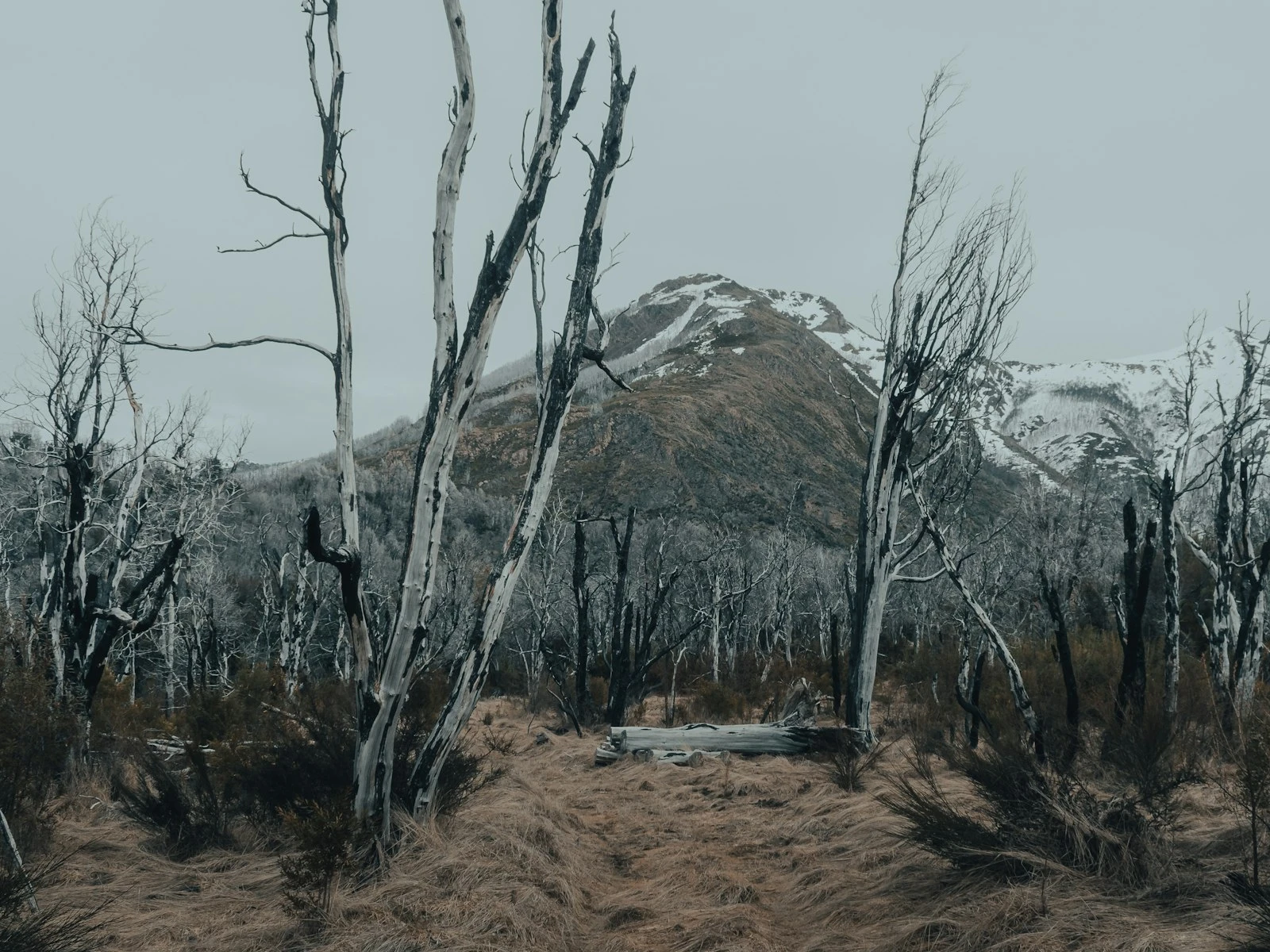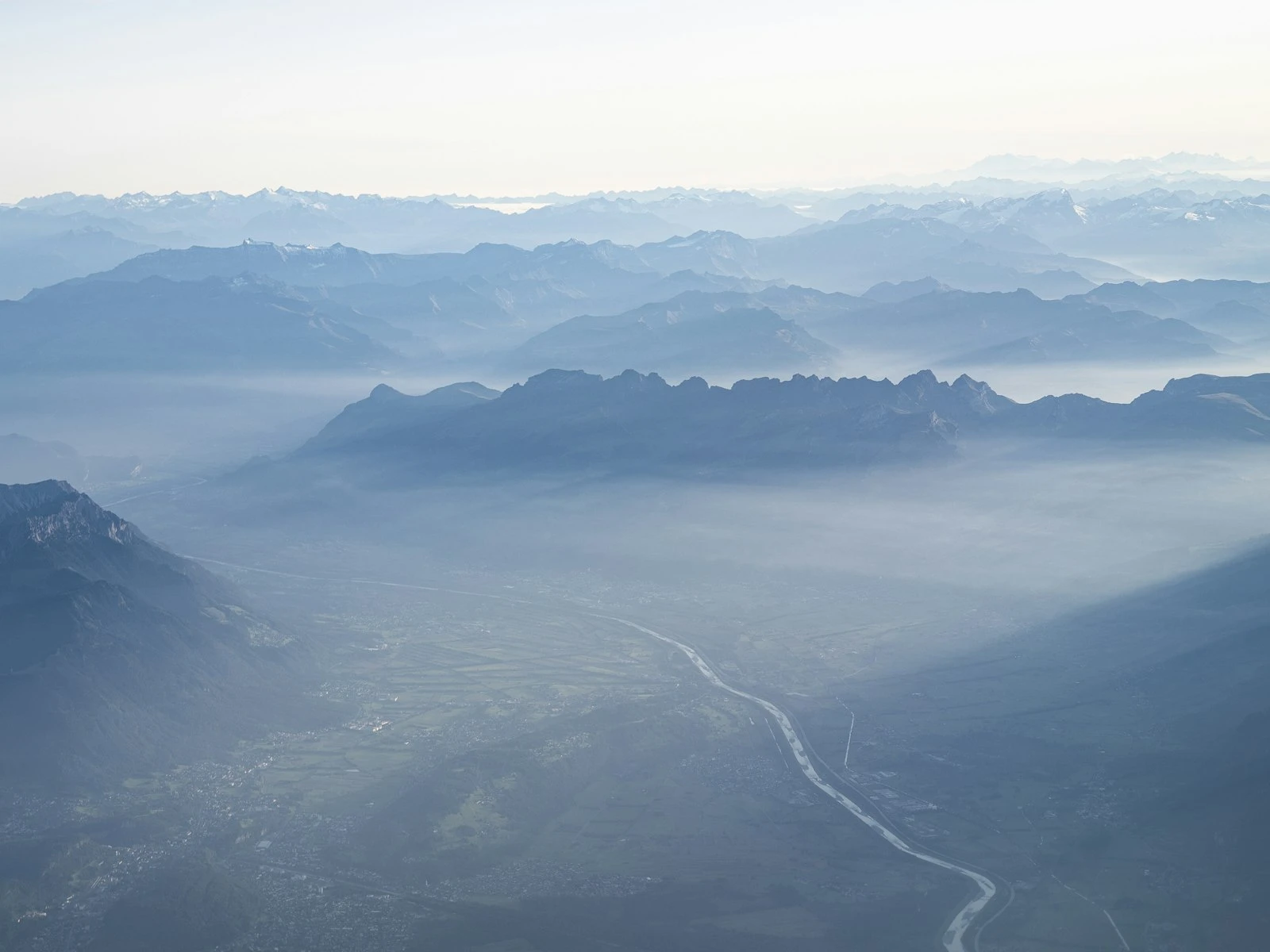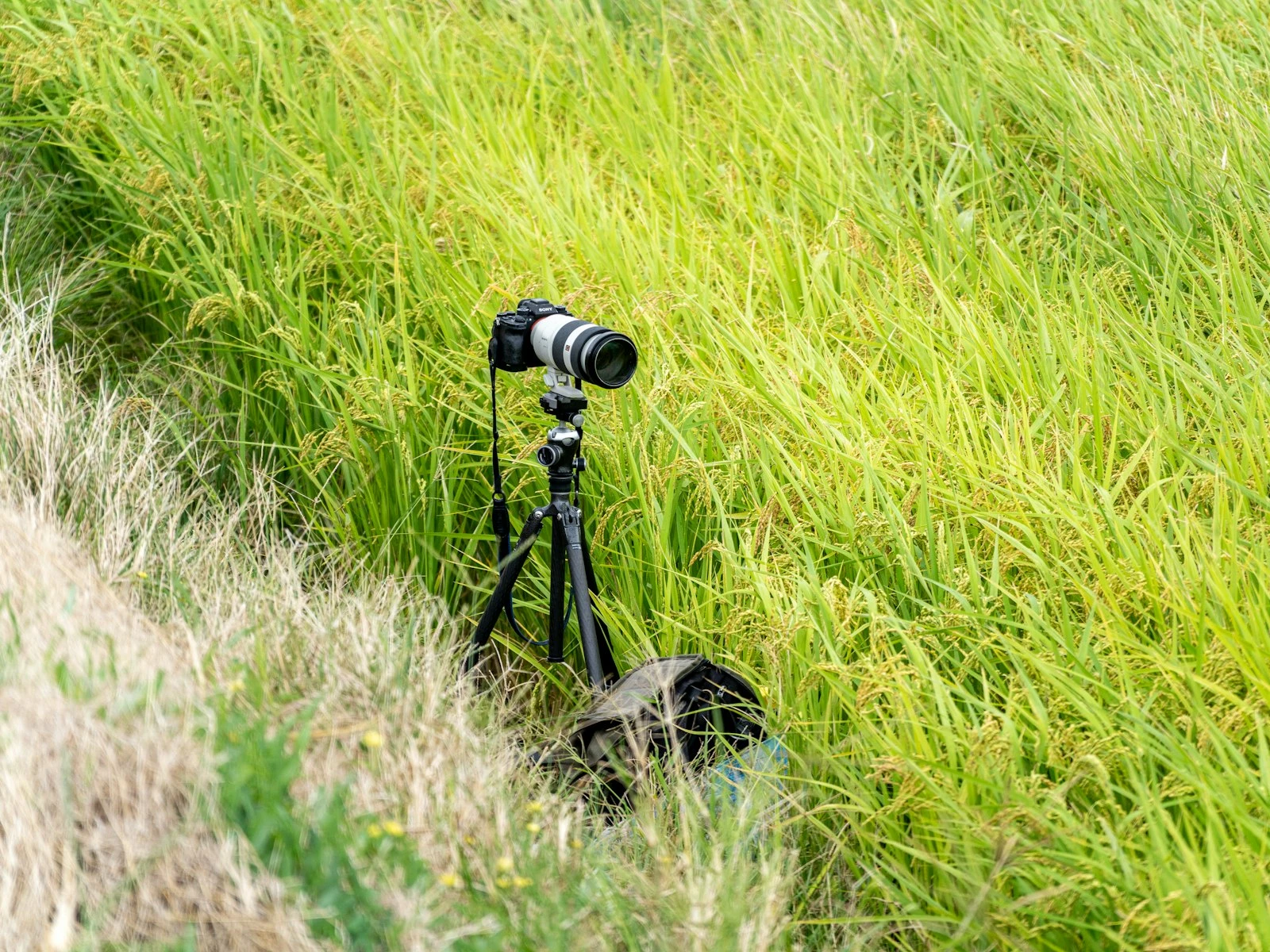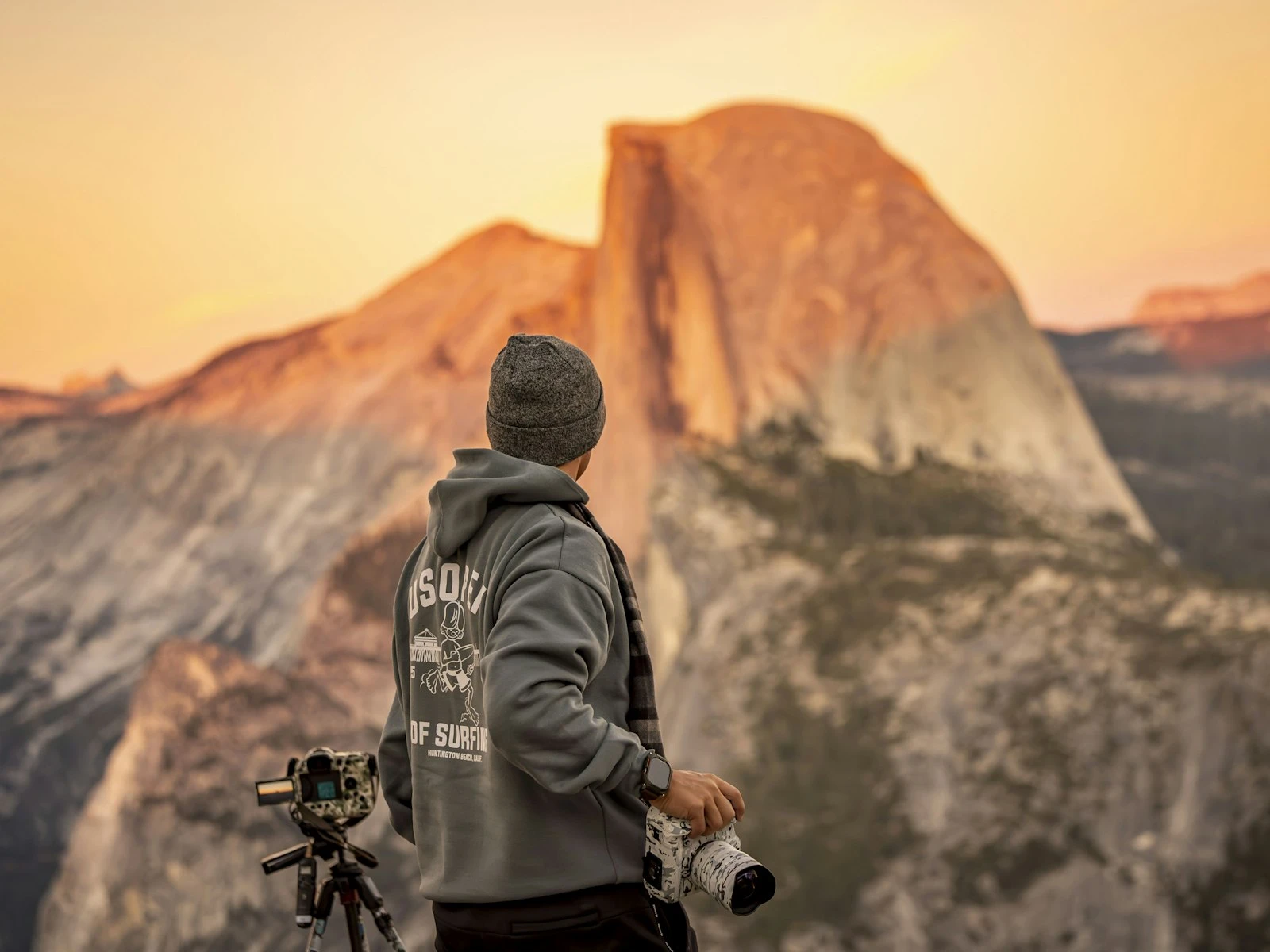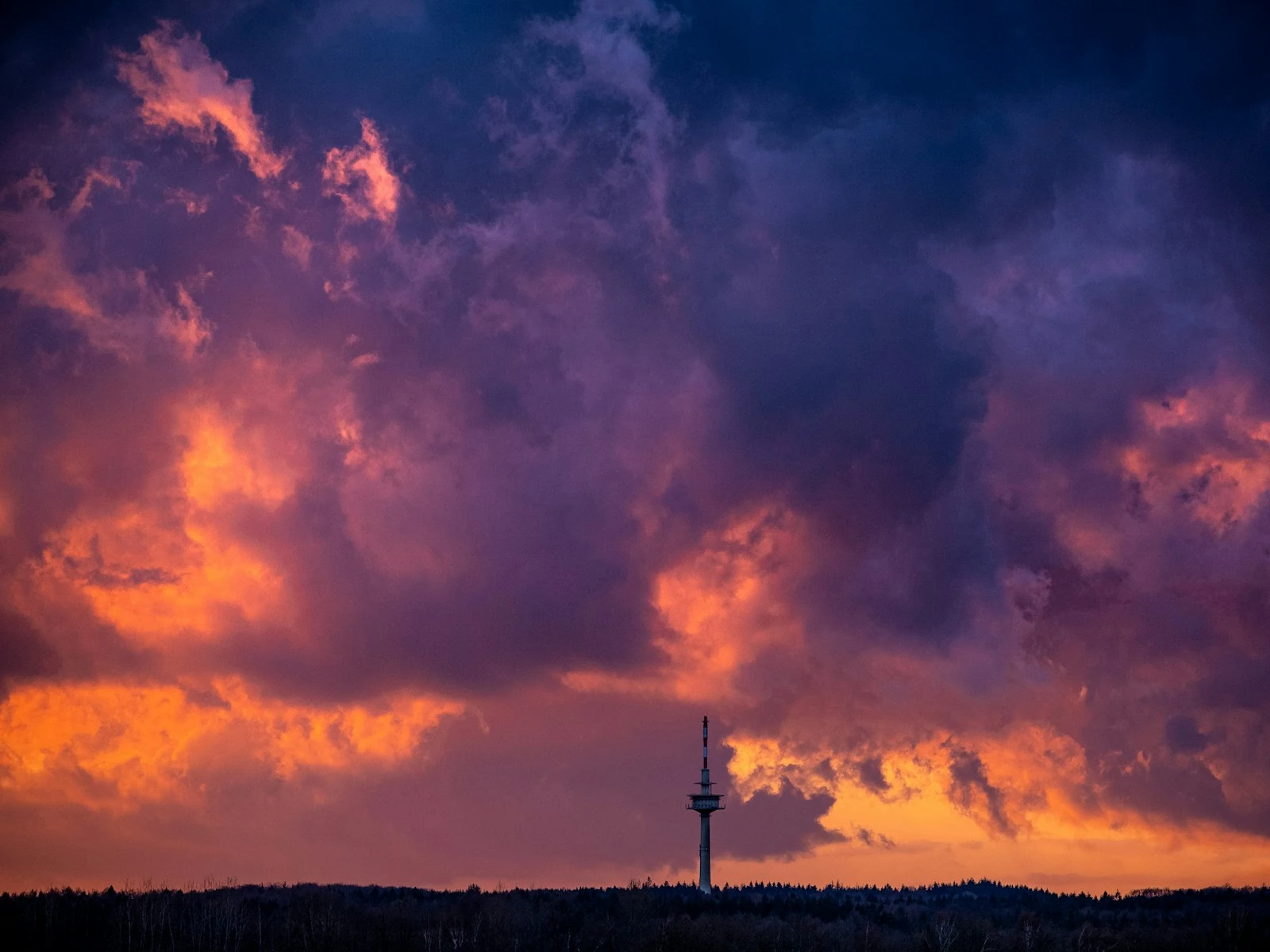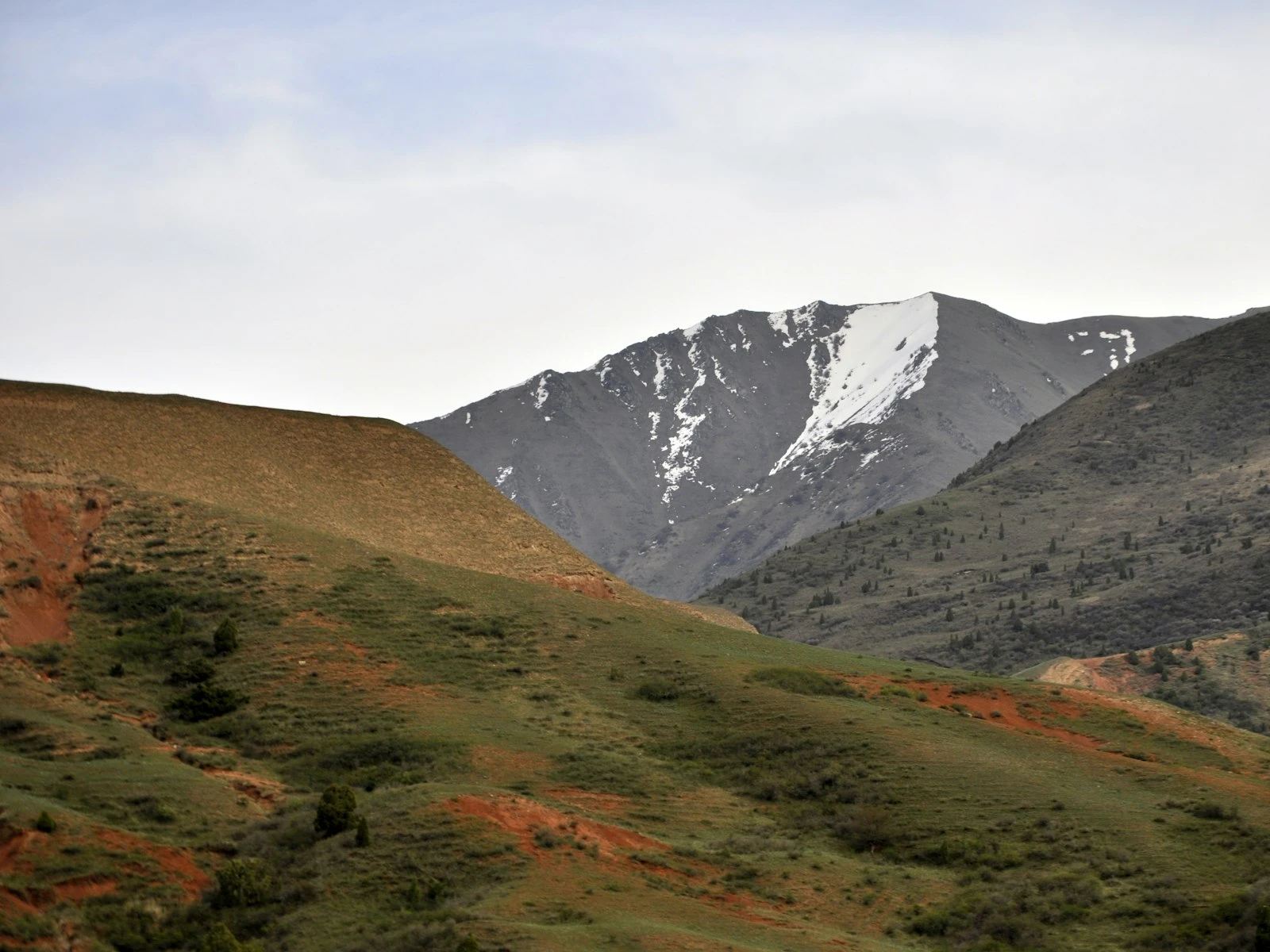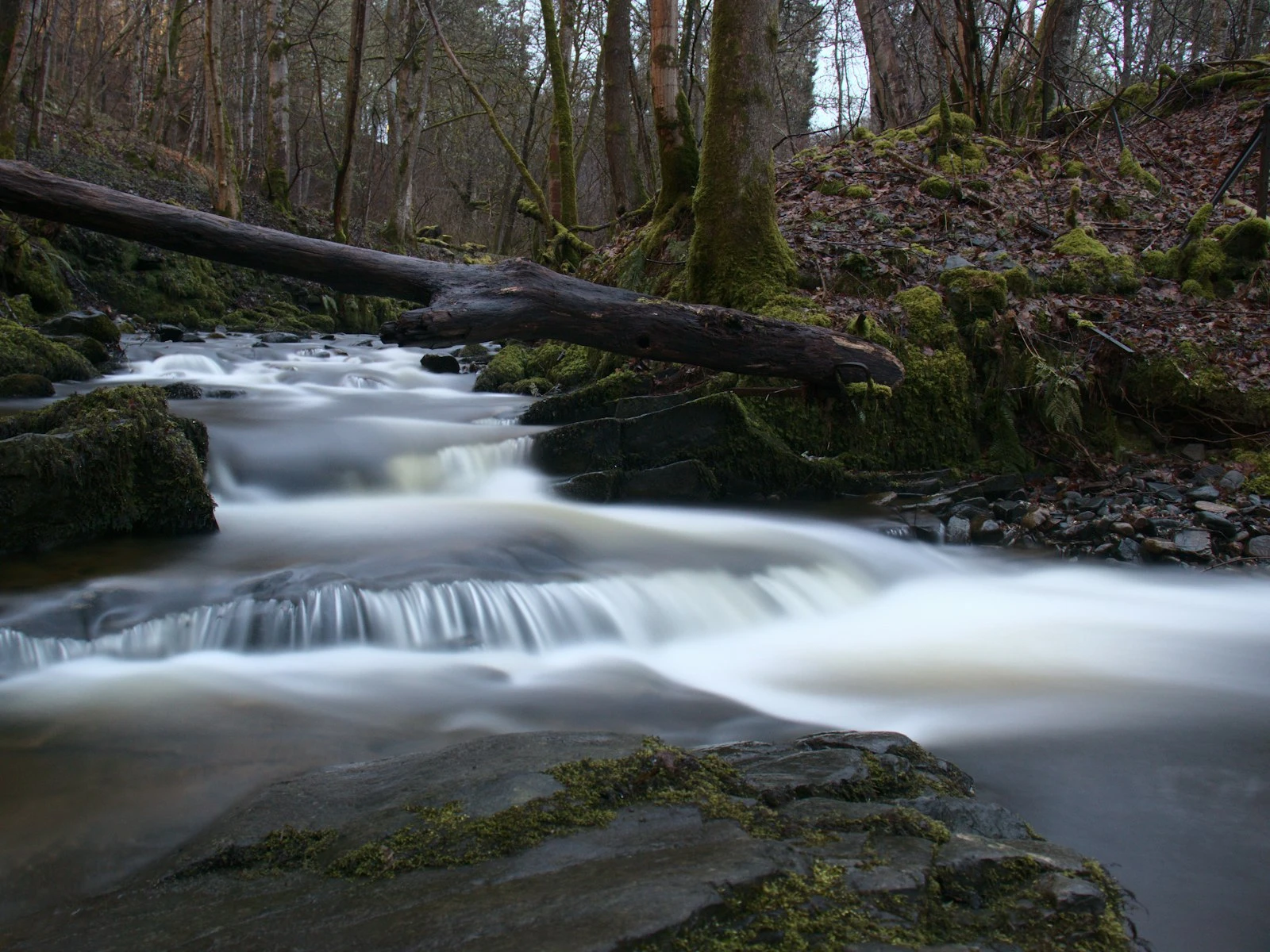
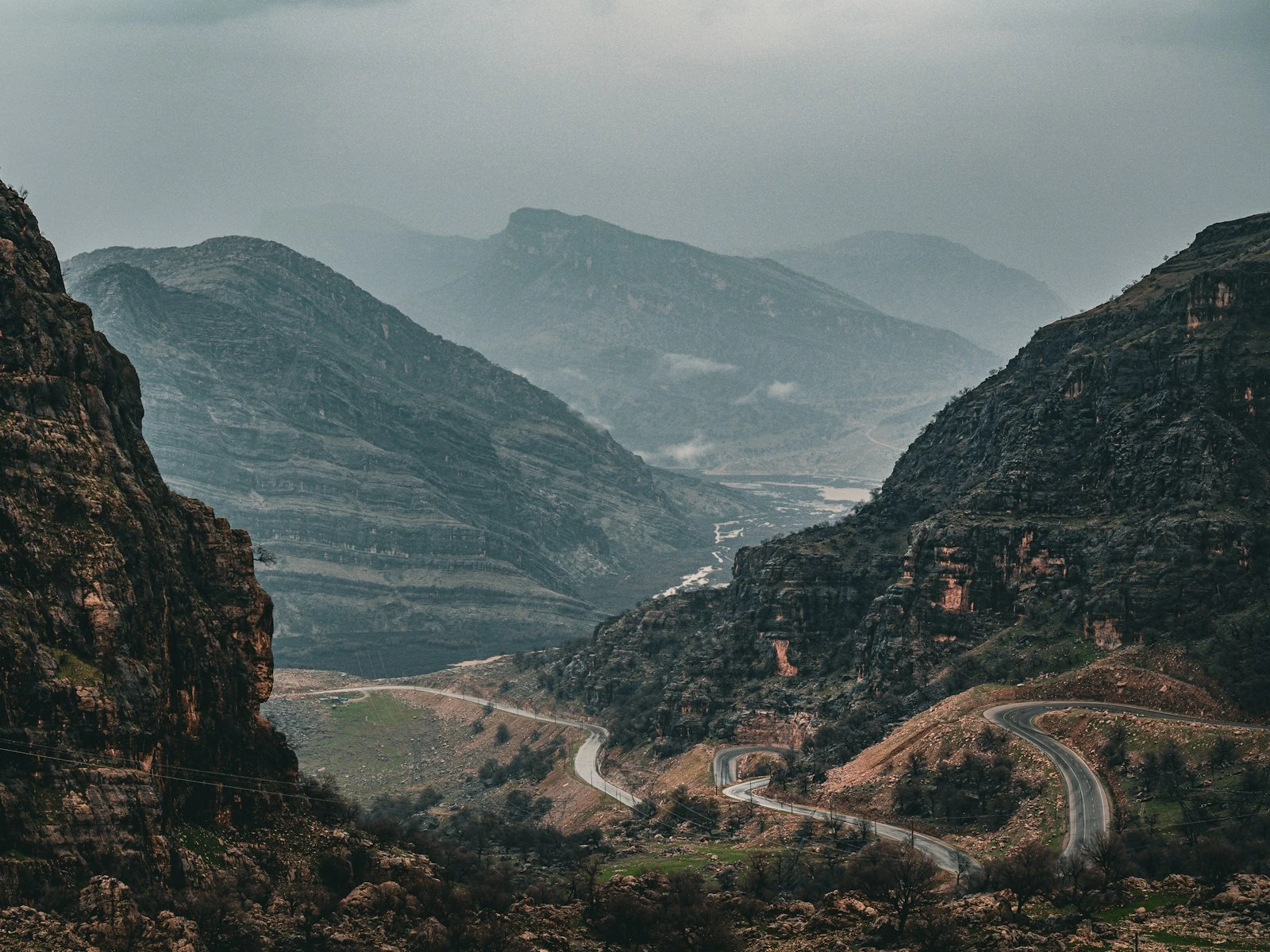
You don't need to visit Yosemite, Iceland, or Patagonia to create stunning landscape photographs.
The most important skill in landscape photography is learning to truly see the beauty that exists everywhere, from your local park to that "boring" field you drive past every day.
This guide will help you develop that seeing eye while mastering the technical skills to capture what you discover. Whether you're photographing dramatic mountain vistas or the quiet corner of a suburban pond, the same principles apply.
Why Most Landscape Photos Disappoint (And How to Fix It)
You've been there. Standing in front of an incredible view, snapping photos, feeling certain you've captured something amazing. Then you get home, load the images onto your computer, and wonder what went wrong.
The photo looks flat and ordinary, nothing like what you experienced.
This disconnect happens to every photographer. Understanding why landscape photos look flat is the first step toward creating images that capture the feeling of being there.
The Three Core Challenges
Challenge 1: Your eyes aren't a camera lens.
When you stand before a beautiful scene, your eyes scan continuously. Your brain stitches together details from across the view: the texture of nearby rocks, the distant mountain peaks, the clouds overhead. You experience depth, dimension, and a sense of place that a single, static frame struggles to convey.
A photograph freezes one moment from one angle. Learning landscape photography means learning to choose that moment and angle with intention.
Challenge 2: Light looks different through a lens.
That golden sunset washing across a valley looks magical to your eyes because they constantly adjust to the brightness range. Your camera sees a narrower slice of that light, which is why sunsets often look washed out or subjects fall into silhouette.
Understanding how your camera interprets light, and how to work with its limitations, separates snapshots from photographs.
Challenge 3: Composition creates story.
A sweeping vista contains infinite potential photographs. Where you point your camera, what you include and exclude, where you position yourself... these choices determine whether your image conveys the grandeur you felt or just shows "a nice view."
The Core Principles of Landscape Photography
Before diving into specific techniques, let's establish the foundational concepts that apply to every landscape image.
Principle 1: Depth Creates Dimension
Flat photos happen when everything in the frame exists on the same visual plane. Great landscapes lead the eye through the scene, from foreground elements through middle-ground subjects to distant backgrounds.
This front-to-back journey creates dimension on a two-dimensional surface. It transforms a "picture of mountains" into an experience of space.
In practice: Before pressing the shutter, identify three zones in your composition: something close, something in the middle, and something far away. Strong foreground interest is often what separates a forgettable shot from one that pulls viewers in. If any zone is empty, your image risks looking flat.
Principle 2: Light Transforms Everything
The same location photographed at noon and photographed during golden hour might as well be two different places. Light doesn't just illuminate your subject; it creates mood, reveals texture, and directs attention.
Professional landscape photographers often joke that their job is "waiting around for good light." There's truth in the humor. Technical mastery means nothing if you're shooting in harsh, unflattering conditions.
In practice: The hours just after sunrise and before sunset offer the most consistently beautiful light, and choosing between golden hour and blue hour depends on the mood you're after. But don't ignore overcast days. Soft, diffused light brings out colors and eliminates harsh shadows.
Principle 3: Simplicity Strengthens Impact
Beginning photographers often try to include everything: the foreground, the lake, the mountains, the trees, the sky, that interesting rock formation over there. The result is a cluttered image where nothing stands out.
Every element in your frame should serve a purpose. If something doesn't add to your photograph's story, consider excluding it.
In practice: After composing your shot, ask yourself: "What is this photograph about?" If you can't answer in one sentence, you might be trying to capture too much.
Principle 4: Patience Produces Results
Landscape photography rewards those who wait. Wait for the light to change. Wait for the wind to die down. Wait for that cloud to move into position. Wait for the tourists to leave.
Some of the most stunning landscape images required their creators to return to the same spot repeatedly, across different seasons and weather conditions, until everything aligned.
In practice: When you find a promising location, don't rush but spend time there watching how the light changes, moving around to discover different angles, and returning at different times of day.
Essential Technical Foundations
With the creative principles established, let's examine the technical knowledge you need to execute your vision.
Understanding Your Camera Settings
Landscape photography typically requires specific camera configurations to achieve maximum sharpness and depth of field.
Aperture controls how much of your scene appears sharp. For most landscapes, apertures between f/8 and f/11 provide the best balance of sharpness and depth of field. Smaller apertures (f/16, f/22) increase depth of field but can introduce diffraction that slightly softens the image.
Shutter speed becomes critical when working in low light or photographing moving elements like water. A tripod becomes essential when shutter speeds drop below what you can hand-hold (roughly 1/focal length of your lens).
ISO should stay as low as possible to minimize noise. In landscape photography, there's rarely a need to rush, so you can use a tripod and longer exposures instead of boosting ISO.
Knowing which landscape settings to reach for in different conditions means you spend less time fiddling with dials and more time watching the light.
The Focusing Challenge
Getting everything sharp from foreground to background requires understanding where to focus. Focus on the closest object and the background goes soft. Focus on the distance and your foreground blurs.
The solution involves a concept called hyperfocal distance, the focusing point that maximizes depth of field for any given aperture. It sounds technical, but in practice it's surprisingly simple once you know the trick.
Managing Dynamic Range
When your scene includes both bright sky and darker foreground (which describes most landscape situations), your camera struggles to capture detail in both. You have several options:
- Graduated neutral density filters darken the sky while leaving the foreground unaffected
- Exposure bracketing captures multiple exposures that you blend later in editing
- Careful exposure choices protect highlights or shadows depending on what matters most
Finding Great Landscapes Anywhere
Many photographers take years to discover that you don't need famous locations to create beautiful landscape images.
Some of the most compelling landscape photographs come from unremarkable places transformed by extraordinary light, thoughtful composition, or a fresh perspective. A misty morning can turn a suburban park into something magical. Storm light can make a highway overpass look dramatic.
Developing Your Seeing Eye
The difference between a photographer who needs exotic destinations and one who finds images everywhere comes down to perception.
Look for light first, locations second. When you notice interesting light, like a shaft of sun breaking through clouds, golden rays backlighting trees, or dramatic storm light, that's when you should be shooting, regardless of where you are.
Find patterns and textures. Ripples in sand, frost on grass, agricultural rows extending toward the horizon. Patterns create visual interest independent of location.
Seek unique perspectives. Get low, climb higher, and shoot from angles that transform the ordinary. The same scene photographed from eye level and from ground level will look completely different.
Return repeatedly. The field you drive past every day changes with the seasons, weather, and time of day. Photographing familiar places over time reveals opportunities you'd never notice on a single visit.
Some of the best landscape photographers deliberately seek out boring locations because the creative challenge forces stronger composition and better use of light.
The Landscape Photography Mindset
Great landscape photography is as much about patience and presence as it is about technical skill. It asks you to slow down, observe, and wait for moments of beauty that can't be rushed.
This might mean waking before dawn to catch first light. It might mean standing in cold wind waiting for clouds to align. It might mean visiting the same location dozens of times until conditions finally cooperate.
But that patience yields rewards beyond photographs. The practice of landscape photography connects you to the natural world, teaches you to notice subtle beauty, and develops a meditative attention that enriches how you see everything.
Whether you're planning your first landscape outing or your thousandth, approach each session with curiosity. The light you've never seen before, the composition you haven't yet imagined, the ordinary place waiting to be transformed are all out there. And if you want to refine your images in post, our free Lightroom landscape presets are a good starting point.
Related Guides