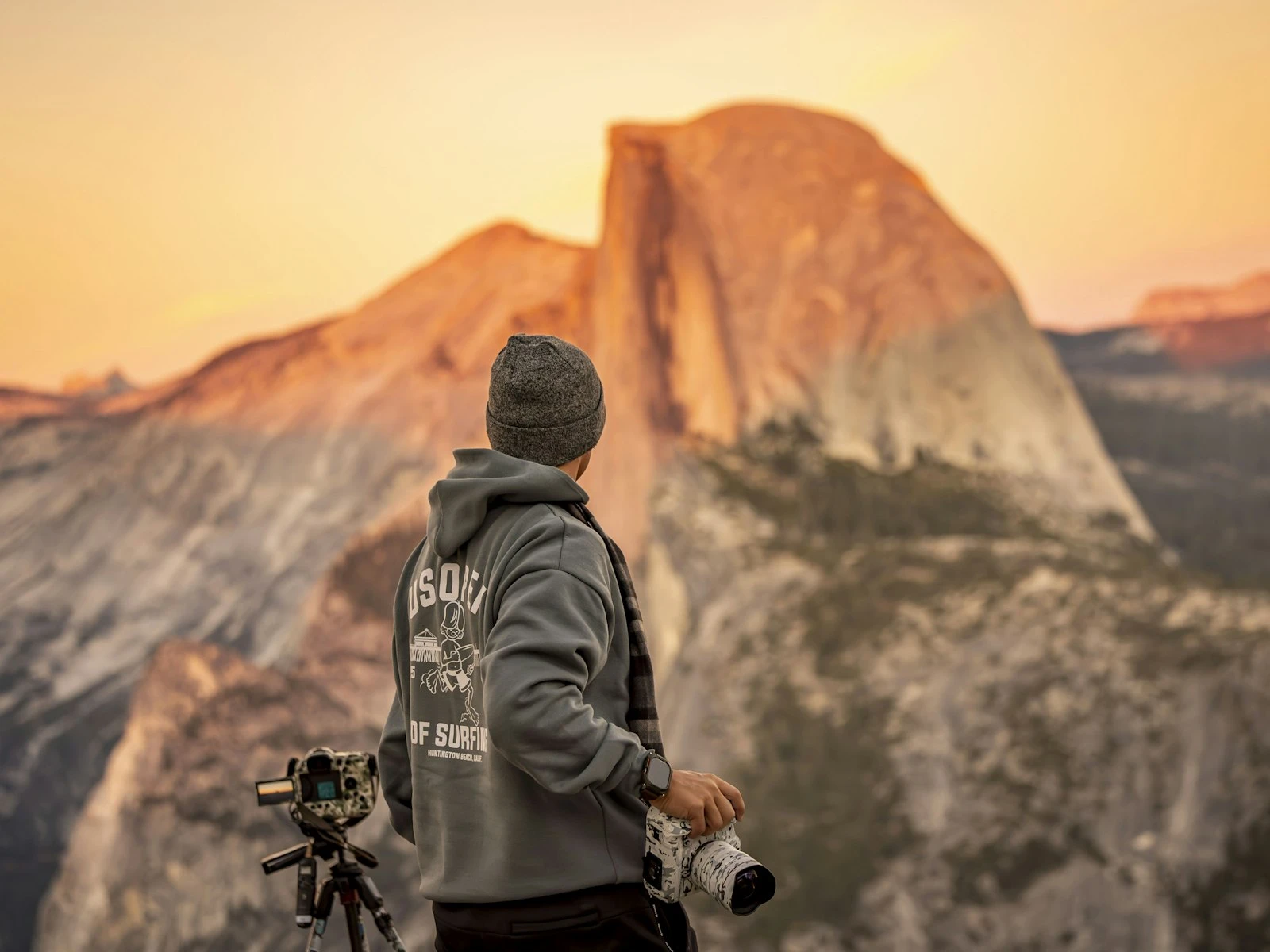
Every photographer has felt the pull of iconic locations like Yosemite, Iceland, and the Grand Canyon, with social media feeds full of dramatic vistas that seem to demand you travel there to make "real" photographs.
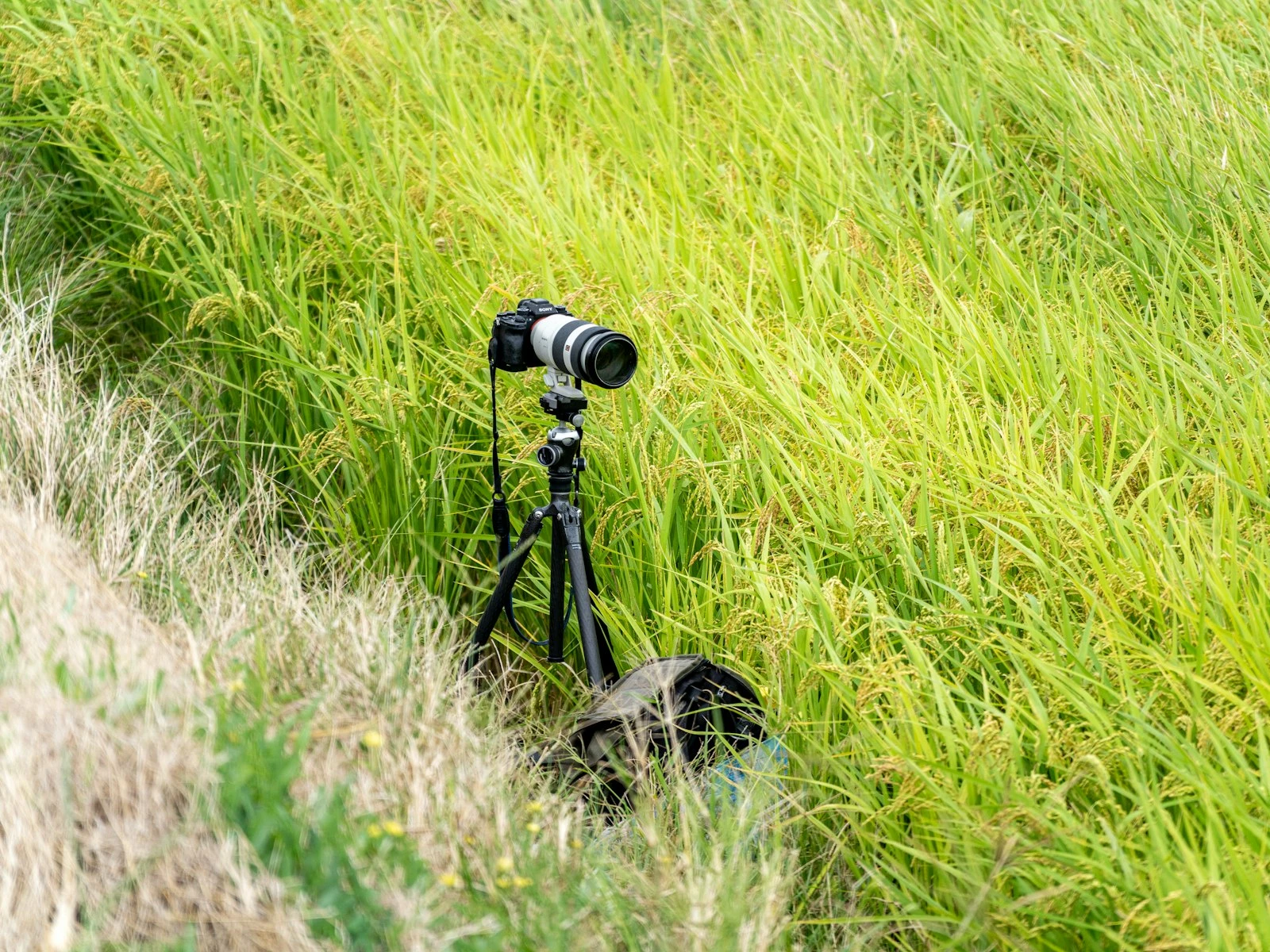
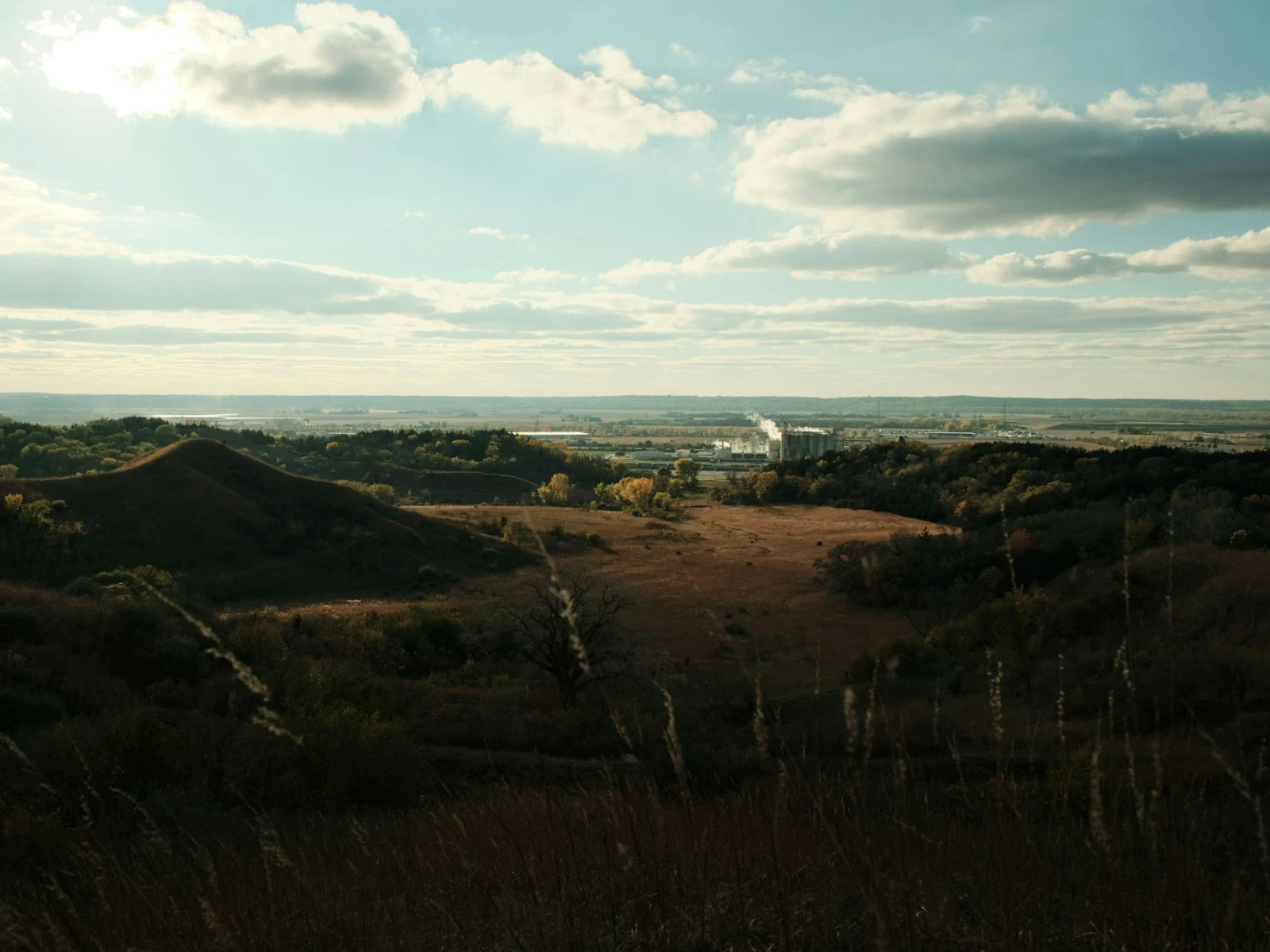
Experienced photographers eventually discover that some of the most compelling landscape images come from utterly unremarkable places like a field, a suburban pond, the edge of a parking lot, or a patch of weeds by a highway.
Learning to see photographs in ordinary locations is one of the most valuable skills you can develop, and it's a recurring theme in our landscape guide. It frees you from destination dependence and opens infinite creative possibilities in the places you already are.
Why Famous Locations Often Disappoint
Before exploring ordinary places, let's understand why iconic locations often fail to deliver.
The Comparison Problem
At famous locations, you're competing with the best images ever made there. Thousands of skilled photographers with ideal conditions and unlimited time have captured every possible angle. Your version of that composition is unlikely to surpass what already exists.
Meanwhile, that interesting field near your house? No one else is photographing it. Your image has no competition. It can be the definitive photograph of that place.
The Convenience Trap
Iconic locations are designed for easy access, with established viewpoints and parking lots that position you where everyone else stands. The "best" compositions are signposted and well-worn.
This convenience produces images that look like everyone else's. You're shooting from the same spot, at the same angle, as the thousand photographers who stood there yesterday.
Ordinary locations offer no such guidance, which means your discoveries are genuinely your own.
The Light Problem
You can't time your visit to distant destinations precisely. Flights, lodging, and travel schedules constrain when you arrive. You may get mediocre light and can't simply return tomorrow.
That boring location fifteen minutes from home? You can visit a hundred times. You can wait for perfect conditions. You can be there when unexpected light transforms everything.
The Depth Problem
A first visit to any location produces surface-level images: the obvious shots, the literal documentation of place. Depth comes from return visits, from knowing a place intimately, from noticing subtle changes and hidden corners.
You can achieve this depth with ordinary locations in a way that's impractical with destination photography.
What Makes "Boring" Locations Photographable
Every location contains photographs, and the skill is learning to see them.
Light Transforms Everything
Light matters more than location in any landscape photograph. Extraordinary light can transform the most ordinary scene into something compelling.
A suburban pond at noon: Flat, boring, uninteresting.
The same pond at sunrise with mist rising from the surface: Magical, atmospheric, worthy of attention.
Location provides raw material while light provides the transformation, and an ordinary location with extraordinary light beats a spectacular location with mediocre light.
Intimacy Creates Connection
Grand vistas appeal through scale. They show what can't be seen except by traveling there. But intimate scenes, small compositions that reveal overlooked details, create different kinds of connection.
A photograph of frost patterns on a leaf. Morning dew on a spider web. The texture of bark on a particular tree. These images don't require spectacular locations. They require attention and the willingness to look closely.
Story Emerges from Specificity
Generic landscapes lack story. They're "a mountain" or "a beach," categories rather than specific places. But a photograph rooted in a particular ordinary location tells a story of that exact spot.
The gnarled tree that survived development. The creek that floods every spring. The patch of wildflowers that returns each June. These images have narrative weight that generic vistas lack.
Accessibility Enables Patience
The best landscape images often result from waiting for light to change, for conditions to align, for that perfect moment. You can wait patiently at a location you can easily revisit. You rush when you may never return.
Boring locations are accessible locations. That accessibility enables the patience that produces great work.
Techniques for Finding Images Anywhere
Seeing photographs in ordinary places is a skill that develops with practice. These techniques accelerate that development.
Look for Light First
Instead of asking "what location should I photograph?" ask "where is the light interesting right now?"
When you notice:
- Dramatic clouds building
- Mist forming in low areas
- Golden light breaking through after a storm
- Unusual atmospheric conditions
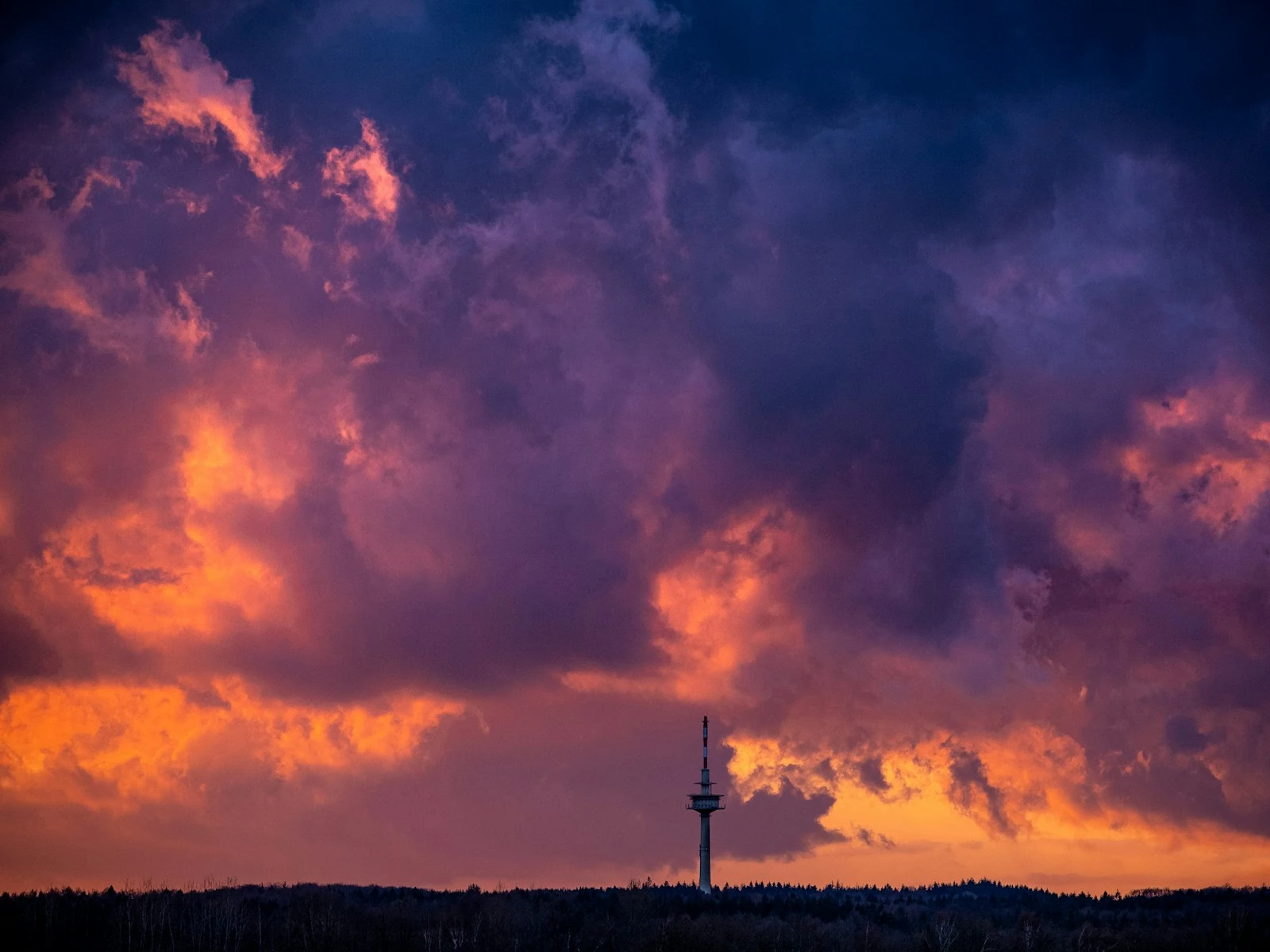
...grab your camera and go find whatever subjects that light illuminates, because the light always matters more than the location.
This approach reveals photographic opportunities you'd otherwise miss because they're happening in "boring" places you weren't considering.
Limit Your Options
Constraints breed creativity, so try exercises that force you to find images in restricted circumstances:
The one-mile challenge: Photograph only within one mile of your home for a month.
The parking lot project: Find five photographs worth taking in a single parking lot.
The backyard series: Create a series of images entirely from your backyard or immediate surroundings.
The daily location: Visit the same boring spot at different times of day and different weather conditions. Document its transformations.
These constraints push you past the obvious to discover what you'd otherwise overlook.
Get Low, Get Close, Get Abstract
Boring locations often disappoint at eye level with wide compositions. They reward intimate exploration.
Get low: Ground-level perspectives transform familiar scenes. A weed-filled lot shot from standing height looks like a weed-filled lot. The same scene photographed from ground level, with foreground interest and depth, can look like a miniature forest.
Get close: Details are location-independent. Texture, pattern, and form exist everywhere. A macro view of moss on a suburban tree stump is as compelling as moss on a mountain boulder.
Go abstract: When a location lacks traditional appeal, abstract it. Shoot reflections, patterns, textures, and shapes that could exist anywhere, or nowhere specific. Remove the boring context entirely.
Work with Weather
Weather transforms ordinary locations dramatically. The same plain field looks completely different when:
- Blanketed in fog
- Dusted with frost
- Covered in fresh snow
- Drenched in rain
- Backlit by storm light
Weather adds drama that locations alone can't provide. Instead of traveling to dramatic places, wait for dramatic weather to come to your ordinary places.
Return Repeatedly
Your first visit to any location produces obvious images, but depth comes from repetition.
Visit the same boring spot:
- At different times of day
- In different seasons
- In different weather
- From different angles
- With different intentions
Each return reveals something new. After ten visits, you understand that place in ways a first-time visitor never could.
Look for Change
Ordinary locations change constantly:
- Seasonal vegetation cycles
- Weather effects (frost, rain, snow)
- Light angle changes through the year
- Human activity patterns
- Wildlife presence
Document these changes. A series showing one "boring" location through all seasons becomes more interesting than any single spectacular shot.
Embrace the Human Element
Landscape photography often excludes human presence, but ordinary locations often include it naturally: paths, fences, buildings, parked cars, distant figures.
Instead of fighting this, incorporate it. Human elements add scale, suggest story, and ground images in reality. A person walking through your ordinary landscape adds a narrative that pristine wilderness cannot.
Common Subjects in Ordinary Places
When exploring familiar territory, look for these commonly overlooked subjects.
Water Features
- Suburban ponds and retention basins
- Drainage ditches and culverts
- Puddles and reflections
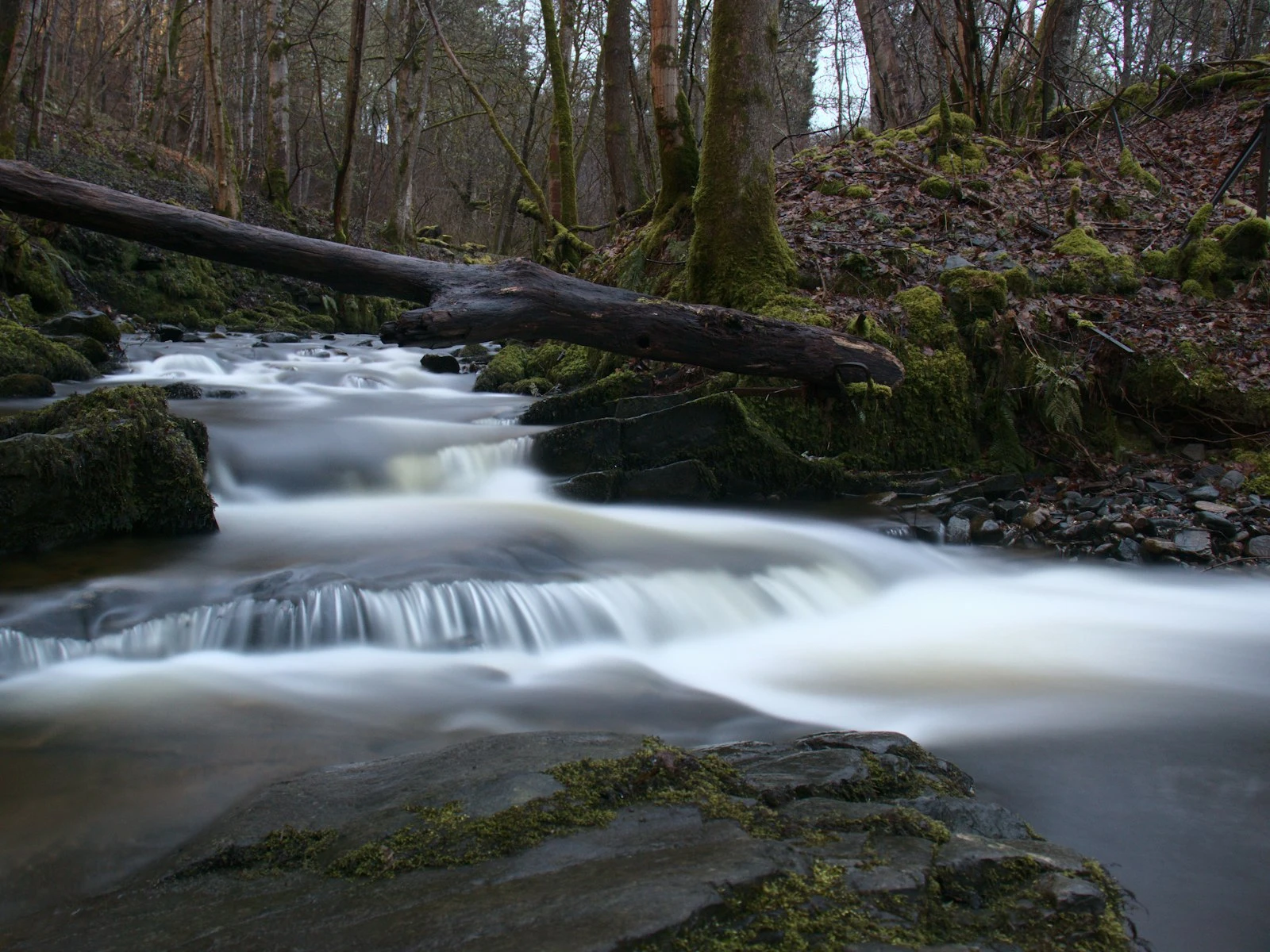
- Small streams and creeks
Water adds interest to any scene through reflections, motion blur, texture, and visual weight.
Trees and Vegetation
- Single distinctive trees
- Tree lines and edges
- Grasses and weeds
- Seasonal changes (spring blossoms, fall color)
Trees have character. That scraggly tree in the empty lot might have more personality than a forest of identical specimens.
Atmospheric Conditions
- Ground fog and mist
- Dramatic cloud formations, especially during golden hour
- Storm light and rainbows
- Frost, dew, and snow
Weather transforms any location. When conditions are interesting, nearly any subject works.
Patterns and Textures
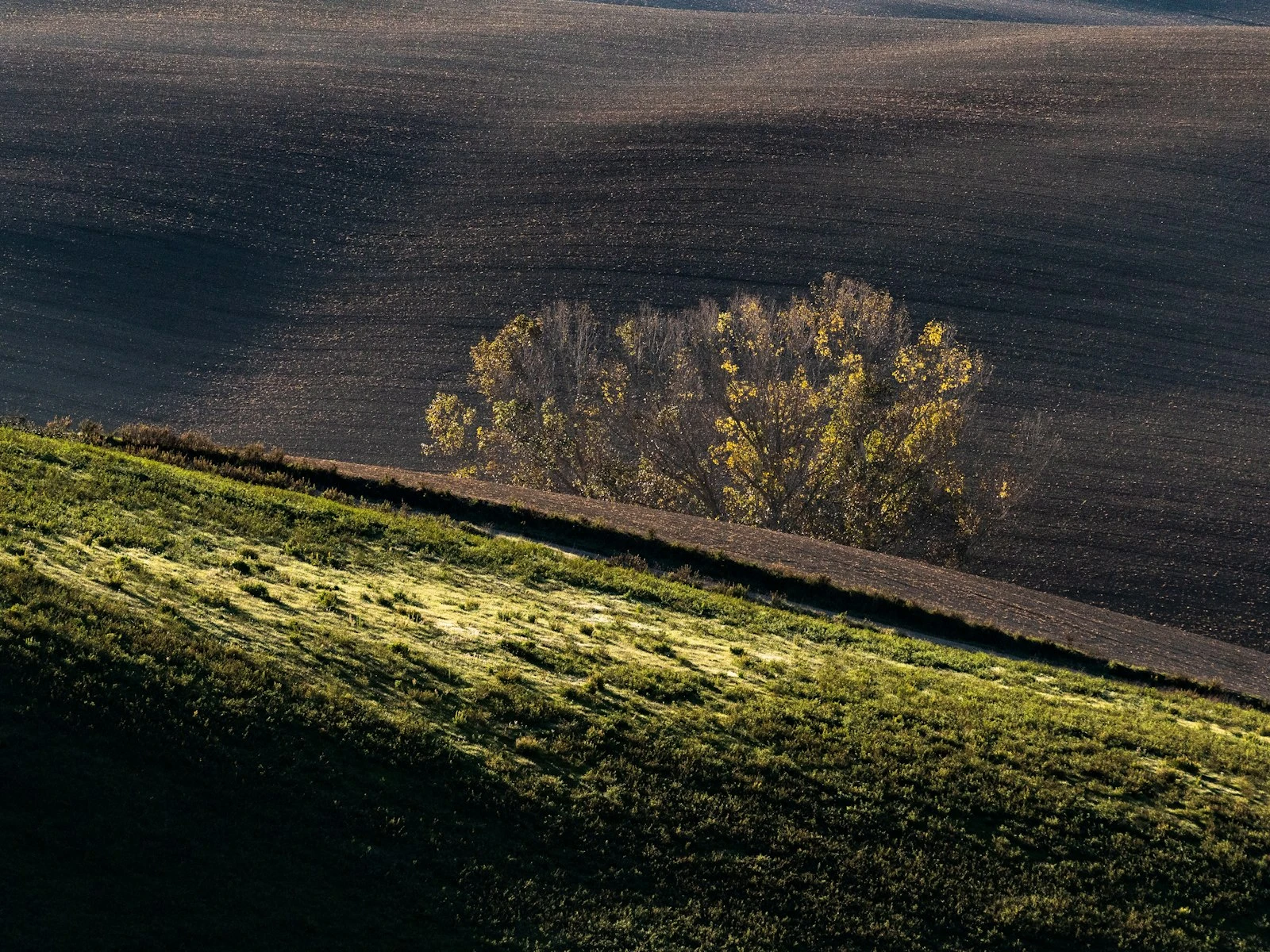
- Agricultural rows and crop patterns
- Pavement cracks and urban textures
- Natural patterns (bark, leaves, stone)
- Repetition in the built environment
Patterns are location-independent and exist everywhere if you look.
Man-Made Structures
- Fences and barriers
- Power lines and poles
- Roads and paths
- Abandoned or weathered structures
These elements provide leading lines, frames, and subject matter that ordinary natural landscapes may lack.
Wildlife
- Birds on ordinary perches
- Insects on common plants
- Animals in suburban settings
- Wildlife behavior in unexpected places
Wildlife doesn't care whether a location is photogenic, and they appear in boring places too.
The Mindset Shift
Ultimately, photographing ordinary places requires a mental shift.
From "Finding" to "Making"
Focus on making great photographs from whatever locations exist.
The great location is the one where you're standing, at the moment when light and conditions align and your eye recognizes the possibility.
From "Beautiful" to "Interesting"
A beautiful location produces beautiful images easily. But beauty isn't the only visual value.
Qualities like interesting, unusual, thought-provoking, intimate, and evocative exist in ordinary places as readily as spectacular ones, so broaden your definition of what makes an image worth taking.
From "Exotic" to "Known"
There's value in photographing places you know deeply. Your ordinary neighborhood, photographed with intimate knowledge over years, yields images that no first-time visitor could capture.
The exotic is photographed superficially by necessity. The familiar can be photographed with depth and understanding that transforms it.
From "Destination" to "Journey"
Destination photography assumes you need to get somewhere special to take photographs, while a better mindset recognizes that photographs exist here, now, and everywhere, and your job is to see them.
This shift doesn't prevent you from traveling to beautiful places, but it means you're never without photographic opportunity.
Practice Exercise
Put these principles into practice with a structured exercise.
Location: Choose the most boring spot within 15 minutes of your home. A parking lot edge. A drainage pond. A weed lot. The duller, the better.
Commitment: Visit this location 10 times over the next month, at different times of day, in different weather, with different intentions.
Challenge: Produce at least 10 images you'd be willing to share publicly.
Reflection: After completing the project, consider what you learned about seeing, about light, and about the relationship between location and image.
Most photographers who complete this exercise discover photographs they never expected in a place they'd previously dismissed. The skill of seeing transfers to every future location they visit.
Key Takeaways
- Ordinary locations near home let you revisit endlessly, wait for perfect light, and develop intimate knowledge that destination photography rarely allows.
- Focus on light, texture, and composition rather than dramatic scenery, since compelling photos come from how you see, not where you stand.
- Return to the same locations in different seasons, weather, and times of day to discover photographs that only reveal themselves through familiarity.
- Constraints breed creativity, so the absence of obvious grandeur forces you to look harder and develop stronger compositional skills.
More in This Guide
Continue exploring landscape photography.