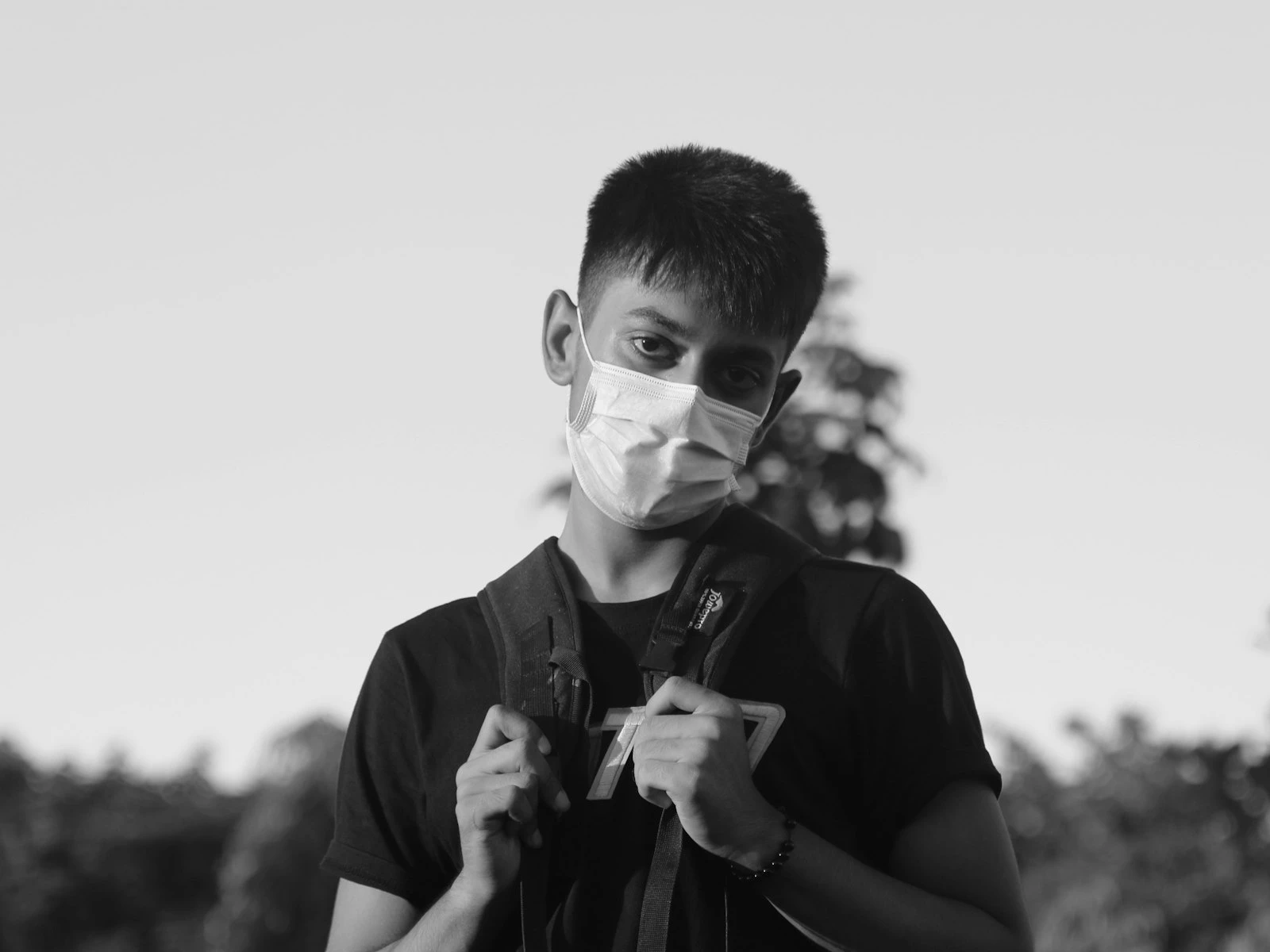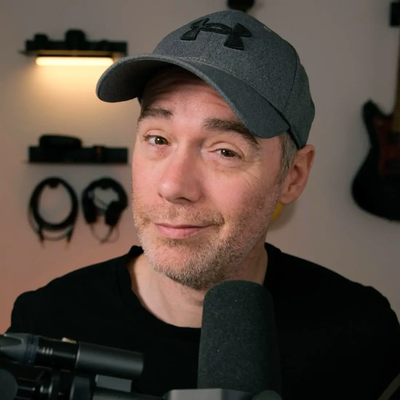
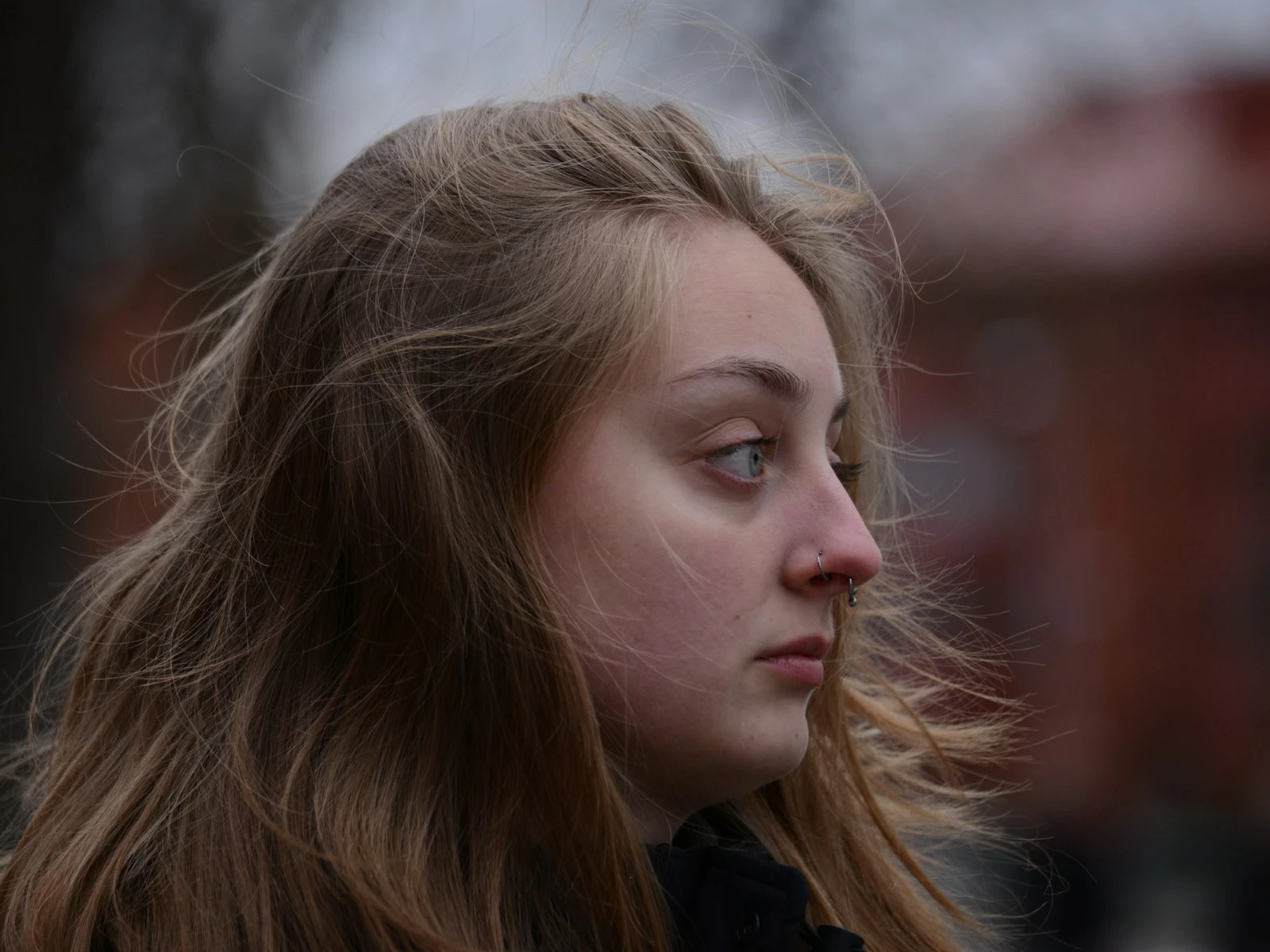
Picture two photographers at the same event. One constantly directing: "Turn here, tilt your chin, look at me." The other hanging back, camera ready, waiting for moments to unfold.
Both approaches produce portraits, but they produce different kinds of portraits, each with strengths and weaknesses. It's one of the most important decisions we explore in our portraits guide. The skilled portrait photographer knows when to use each approach, and how to blend them for results that neither pure direction nor pure observation can achieve.
Defining the Spectrum
Candid and posed aren't binary categories but rather endpoints on a spectrum.
Pure candid means the subject is unaware of being photographed, or so engaged in something else that the camera becomes invisible. No direction, no posing, no awareness. The photographer captures what happens to happen.
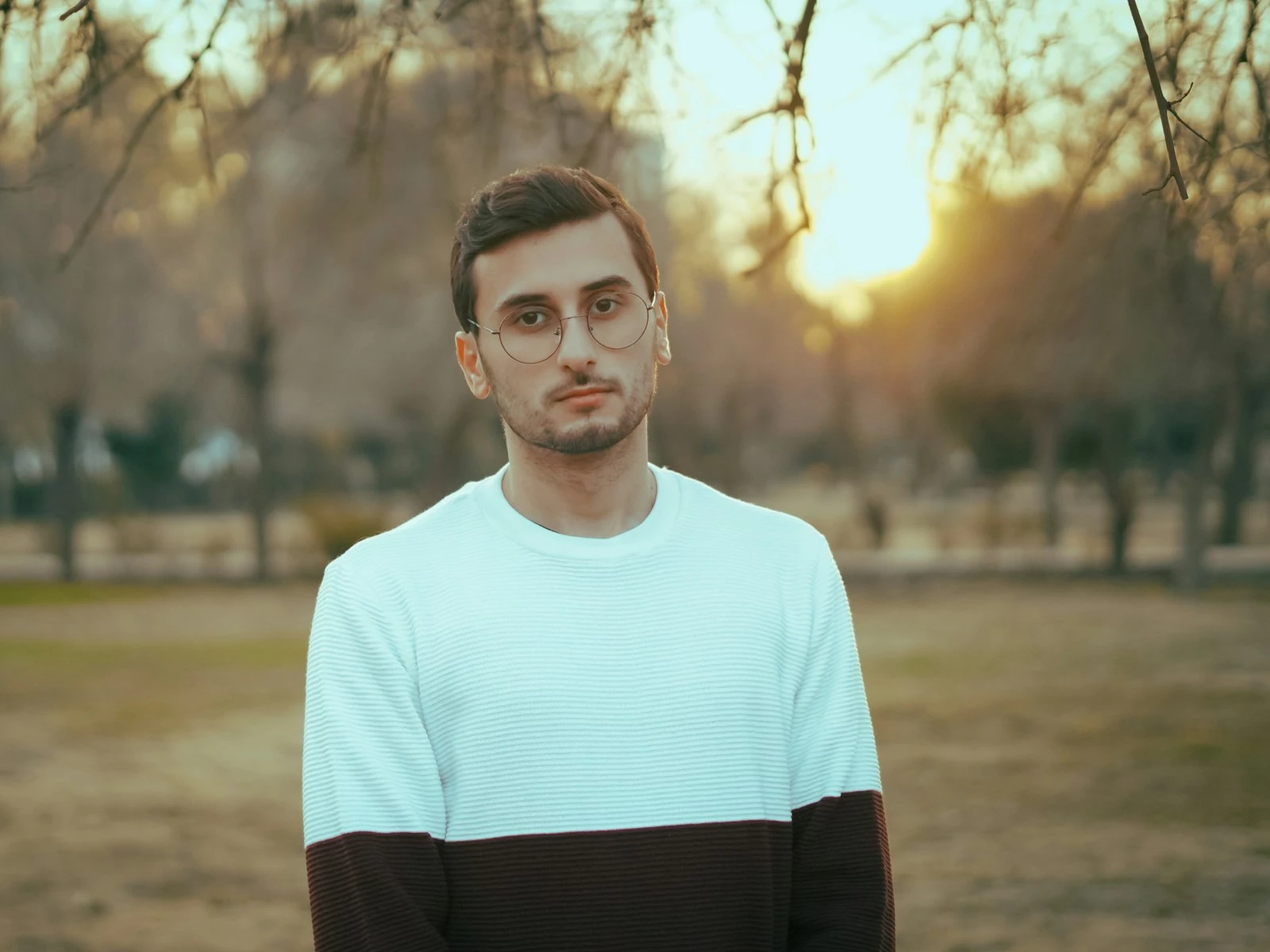
Pure posed means complete direction. Every element including body position, hand placement, expression, and eye direction is specified by the photographer. The subject follows instructions to create the photographer's vision.
The middle ground is where most portrait photography lives: subjects who are aware of being photographed but not constantly directed. Gentle guidance that shapes moments without scripting them. Conversation that prompts natural expressions without demanding specific ones.
Understanding this spectrum helps you choose your approach intentionally rather than defaulting to one mode.
Strengths of Candid
Candid photography excels at capturing authenticity.
Genuine expressions. When people don't know they're being photographed, or forget about it, their faces do what faces naturally do. Smiles emerge because something is actually funny. Contemplation appears because they're actually thinking. Nothing is performed.
Natural body language. Bodies at rest or in action move naturally, and the awkwardness of "how should I stand?" disappears when there's no awareness of being watched.
Story and context. Candid moments often include environment and action that tell a story. A posed headshot shows a face, while a candid shot might show that face in the middle of life.
Emotional truth. The best candid photos capture genuine emotional states like joy, concentration, connection, and contemplation. These moments feel true because they are true.
Surprise and variety. You don't know exactly what you'll get. This unpredictability can yield images you never would have thought to direct.
Weaknesses of Candid
Candid photography trades control for authenticity.
Technical imperfection. When you're grabbing moments rather than constructing them, you can't always position for optimal light, background, or composition. Some shots will be compromised technically.
Hit or miss. Many candid frames won't work, and you might shoot a hundred to get ten good ones. The ratio of success is lower than with controlled portraits.
Limited flattery. People don't always look their best candidly. Unflattering angles, awkward expressions, mid-sentence faces. Candid captures reality, including unflattering reality.
No guarantees. You can't promise a specific result. The moment might not happen, or might not photograph well when it does.
Ethical considerations. Photographing people without their knowledge raises questions in some contexts. Consent and respect matter.
Strengths of Posed
Posed photography excels at control and consistency.
Technical optimization. You can position the subject for perfect light, ideal background, and careful composition. Every element can be considered.
Flattering angles. You can choose the subject's better side, adjust chin position, optimize body angle. All the techniques that make people look their best.
Reliable results. When you direct every element, you can predict and deliver specific outcomes. Clients know what they're getting.
Efficiency. In commercial work, time is money. Directed sessions produce usable images faster than waiting for candid moments.
Vision execution. If you have a specific image in mind, direction lets you create it. The final image matches your intention.
Weaknesses of Posed
Posed photography trades authenticity for control.
Risk of stiffness. Over-directed subjects can look like mannequins. The precision can drain life from images.
Fake expressions. Directed smiles often look fake because they are. The "say cheese" smile is universally recognized, and rarely beloved.
Cookie-cutter feel. Heavy direction can make every subject look the same. The individual personality gets lost in the formula.
Subject discomfort. Many people feel awkward being directed. That awkwardness shows in the images.
Photographer limitations. Your images are limited by what you can imagine. Pure direction doesn't leave room for happy accidents or moments you wouldn't have thought of.
When to Go Candid
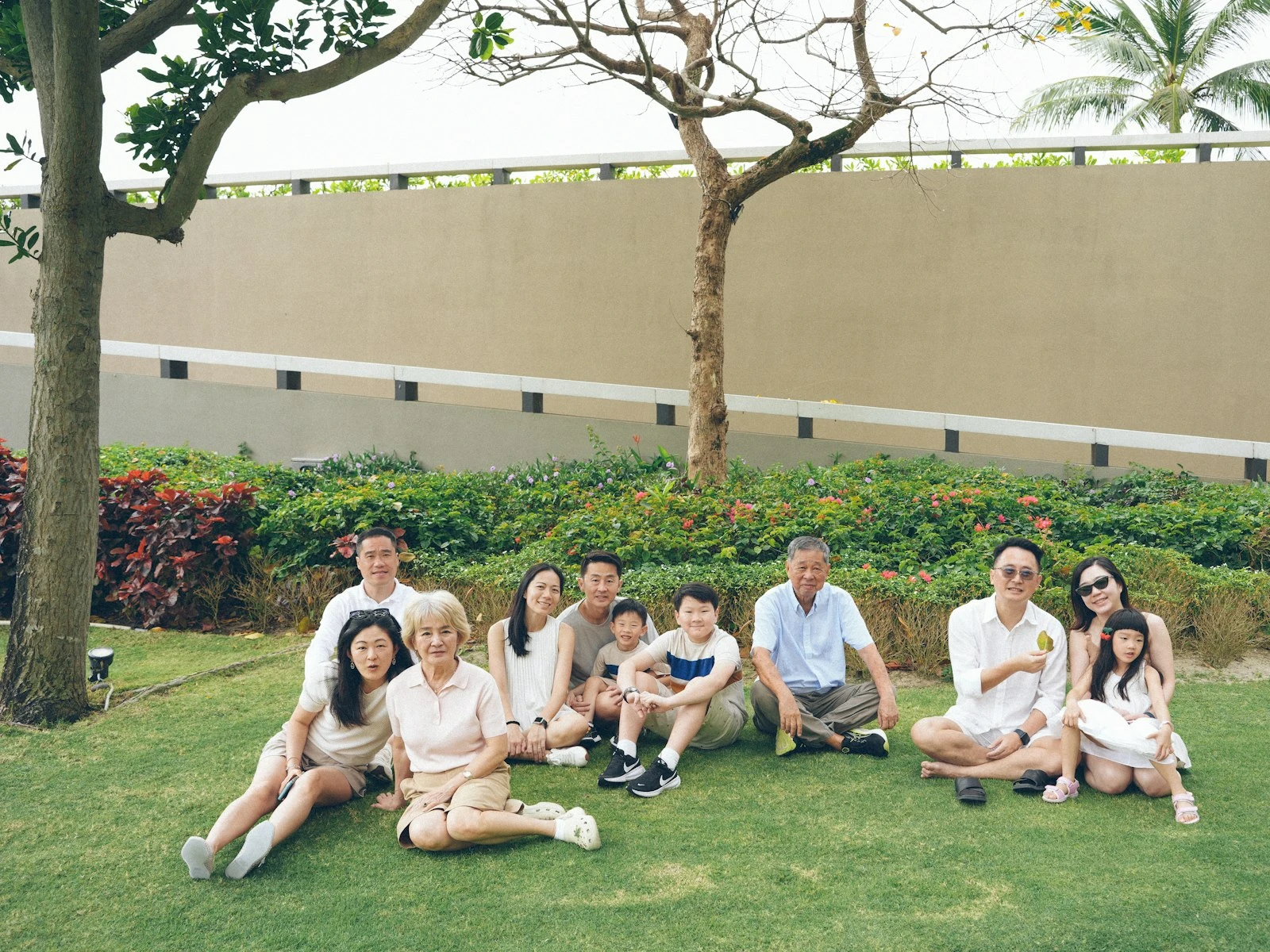
Events and celebrations. Weddings, parties, gatherings. The real moments happen between posed shots, and the toast, the tears, the laughter in these candid captures often become favorites.
Children. Kids are terrible at following directions and excellent at being themselves. Candid approaches often yield the most natural, joyful images of children.
Documentary work. When truth is the priority in journalism, documentary, and street photography, candid approaches preserve authenticity.
Capturing personality. Some people's true selves only emerge when they're not performing. Observation reveals what direction might suppress.
After the posed shots. Once you've got the safe, directed images, stay present. The relaxation after "we're done" often produces the best candid moments.
When to Go Posed
Professional headshots. Consistency, technical perfection, and flattering angles are expected. Clients want to look their best, not their most authentic-in-the-moment.
Commercial work. Advertising, corporate photography, editorial with specific needs. These require the control that direction provides.
Anxious subjects. Some people need structure. The void of "just be natural" paralyzes them. Direction gives them something to do.
Specific requirements. When you need a particular result, like matching existing images, fitting a specific layout, or achieving a certain look, direction ensures you get it.
Quick turnarounds. Limited time means limited attempts. Direction produces reliable results faster than hoping for candid magic.
The Blended Approach
Most portrait situations benefit from blending both approaches.
Direct the setup, wait for the moment. Get your subject positioned well for light and composition, then stop directing and start conversing. Capture the natural moments within the optimal setup.
Prompts over commands. "Think about your last vacation" produces more natural expressions than "smile." Prompts guide emotion without dictating expression.
Movement creates candid-like moments. "Walk toward me slowly" or "turn and look back at me" creates mini-moments of natural movement that feel candid but happen in controlled conditions. It also solves the what-to-do-with-hands problem naturally.
Build to candid. Start with direction to establish trust and basic positioning. As subjects relax, pull back on direction and let natural moments emerge.
Intersperse approaches. Alternate between directed shots for safety and observational moments for magic. Get what you need, then get what you might get.
Reading the Subject
Different subjects respond better to different approaches.
Some people bloom with direction. They want to be told exactly what to do. The structure relaxes them. Too much open-ended waiting makes them anxious.
Some people wilt with direction. They become stiff, self-conscious, performing rather than being. They need space to be themselves.
Some people need both. They need initial structure to feel grounded, then freedom to be natural within that structure.
Kids shift unpredictably. Sometimes they'll follow direction beautifully. Sometimes they refuse to cooperate but offer magical candid moments. Flexibility is essential.
Watch the response. If someone lights up when you give direction, give more. If they stiffen, pull back. Adjust based on what you observe.
The "Between" Moments
Many great portraits happen between posed shots.
Right after setup. You've positioned someone, then pause to adjust a camera setting. In that unguarded moment, their face relaxes, and that's when you shoot.
During repositioning. Moving from one spot to another, subjects often show natural movement and expression, so stay ready.
The exhale after "got it." When they think the shot is done, relief creates genuine expression, so keep shooting.
During conversation breaks. While you're chatting between setups, they're being themselves. These moments capture personality direction rarely reveals.
Train yourself to recognize and capture these between moments. They often produce favorites.
Practical Decision Framework
When approaching any portrait situation, ask yourself these questions.
-
What's the purpose? Commercial needs control. Personal might value authenticity. Event coverage wants both.
-
What's the subject like? Comfortable being directed? More natural when left alone? Needs structure or freedom?
-
What's the environment? Controlled studio favors direction. Dynamic environment offers candid opportunities.
-
How much time do you have? Limited time favors direction for reliability. More time allows for candid possibilities.
-
What have you already got? If you have safe posed shots, you can take risks with candid attempts. If you have nothing yet, secure basics first.
Building Both Skills
For better candid work:
- Practice anticipating moments by watching people and predicting what's about to happen
- Learn to be invisible. Blend in, don't draw attention
- Develop quick reflexes because the moment passes fast
- Accept a high throw-away rate. Many frames for few keepers
For better directed work:
- Build a repertoire of reliable poses
- Learn to read light and what's working, and adjust quickly
- Practice giving direction clearly and kindly
- Develop techniques for eliciting genuine expressions even in posed situations
For blending both:
- Learn transitions and how to move from direction to observation smoothly
- Practice maintaining optimal positioning while releasing control of expression
- Develop conversation skills that prompt without demanding
The best portrait photographers are fluent in both candid and posed modes and skilled at blending them, knowing when to step in, when to step back, and how to create images that combine the best of both approaches.
Key Takeaways
- Use gentle direction and conversation to guide subjects into natural-looking poses rather than choosing between fully candid or fully posed extremes.
- Give subjects an activity or interaction to focus on so their awareness of the camera fades and genuine expressions emerge.
- Shoot during moments of transition (between poses, while adjusting, while laughing at direction) when people are most naturally themselves.
- Match your approach to the situation: candid for events and documentary work, directed for headshots and planned portraits, and blended for most everything else.
More in This Guide
Continue exploring portrait techniques.
Related Guides