You've probably seen the comparison images: the same face photographed at different focal lengths, looking dramatically different in each frame. Stretched and wide at 24mm. Natural at 50mm. Compressed and flat at 200mm.
These comparisons make focal length seem mysterious, almost magical, but the effect is actually straightforward physics. Understanding it helps you make intentional choices about how faces appear in your portraits.
Every focal length has its uses, and understanding how your lens choice affects facial proportions lets you choose deliberately rather than accidentally. It's one of the more technical topics in our portraits guide. Terms like focal length, crop factor, and perspective compression come up throughout this guide. The photography glossary has clear definitions for each one if you need them.
It's Not Really About the Lens
The counterintuitive truth is that focal length itself doesn't change facial proportions. Distance does.
When you photograph someone close with a wide-angle lens, their nose (the closest part to you) appears much larger relative to their ears (the farthest part), which is pure geometry since objects closer to the lens appear larger.
When you photograph someone from far away with a telephoto lens, the distance difference between nose and ears becomes proportionally insignificant. A nose might be 3 inches closer to you than ears, but when you're 20 feet away, that 3 inches barely matters. Features appear relatively similar in size.
The shooting distance distorts faces, not the lens itself. But since wide lenses require you to be close to fill the frame and telephoto lenses let you be far away, we associate the distortion with the focal length.
This distinction matters because it means you could achieve the same "wide-angle distortion" with a telephoto lens if you somehow stood extremely close. And you could achieve the same "telephoto compression" with a wide lens if you stood far away and cropped significantly. The lens is a tool for achieving certain distances comfortably, not a magic face-changer.
What Different Focal Lengths Actually Do
Understanding the practical effects helps you choose intentionally.
Wide Angle (24-35mm full-frame equivalent)
What happens: Close shooting distance stretches depth, so noses appear larger, faces appear wider, and ears appear smaller. Features at the center of the frame bulge toward you.
The look: Distorted, sometimes unflattering for faces when close. Can appear dramatic or grotesque depending on severity.
When to use: Environmental portraits where the person is smaller in frame and surroundings matter, deliberately stylized or dramatic portraits, and self-portraits (this is why front phone cameras are unflattering, since they're wide angle at arm's length).
Watch out for: Headshots and close-ups look especially distorted, and the wider the lens, the more pronounced the effect.
Normal (40-60mm full-frame equivalent)
What happens: Moderate shooting distance creates proportions similar to how we perceive faces in conversation. Minimal distortion in either direction.
The look: Natural, familiar, neither compressed nor stretched. This is roughly how we experience faces in daily life.
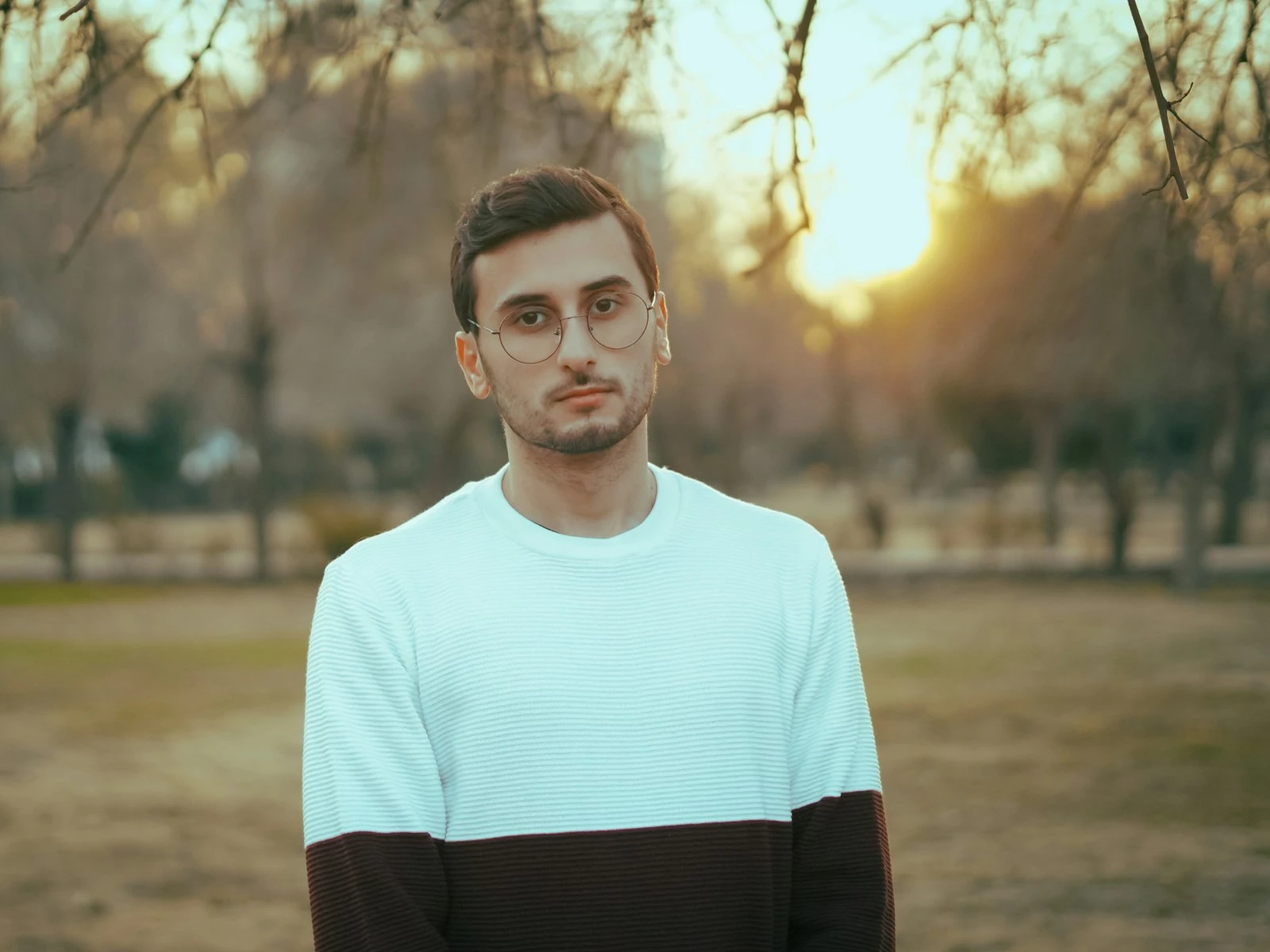
When to use: General portraits, headshots, documentary work. Any situation where you want the person to look like themselves without added drama or compression.
Watch out for: Very close headshots (tight face crop) still show some wide-angle characteristics even at 50mm, so a bit more distance helps.
Portrait Range (70-105mm full-frame equivalent)
What happens: Longer shooting distance compresses features slightly. Faces appear narrower, depth is reduced, features are more even in size.
The look: Traditionally flattering. This range has been considered ideal for portraits for a century because it slightly narrows faces and balances feature sizes.
When to use: Classic portraits, headshots, any time you want traditionally flattering proportions. 85mm is often called the ideal portrait focal length for good reason.
Watch out for: Go too long and faces start looking flat. The background also gets compressed, which may or may not be desirable.
Telephoto (135mm+ full-frame equivalent)
What happens: Long shooting distance creates significant compression, making features appear very similar in size. Faces look flat and two-dimensional.
The look: Compressed, flat, and sometimes oddly proportioned. Noses appear the same size as ears, and faces lose dimensional depth.
When to use: Beauty photography where flattened features are desired. Shots where extreme background compression is the goal. Working from a distance (events, candids).
Watch out for: Faces can look too flat, losing the dimension that makes them interesting, and working distance becomes very long, making communication with subjects harder.
Crop Sensor Considerations
If you're shooting crop sensor (APS-C or Micro Four Thirds), your effective focal length for facial distortion purposes changes.
APS-C (1.5x crop): A 35mm lens gives you roughly 50mm field of view. A 50mm gives you roughly 75mm. You can work out the exact numbers with the crop factor conversion tool.
Micro Four Thirds (2x crop): A 25mm lens gives you 50mm field of view. A 42.5mm gives you 85mm.
For facial distortion specifically, think about the working distance rather than the number on the lens. If you're standing close enough to create distortion with any lens, you'll get distortion.
The Distance Test
Try this experiment to internalize the concept.
- Set your zoom lens to wide (24-35mm).
- Take a headshot filling the frame with the face.
- Note how close you had to stand.
- Zoom to 50mm and back up until the face fills the frame similarly.
- Note the distance change and compare proportions.
- Zoom to 85mm and back up further. Compare again.
The lesson becomes visceral. The distance changes the face, and the focal length determines what distance you need to fill the frame.
Want to see the exact framing you'll get at different focal lengths and distances? Try the focal length comparison tool to visualize the difference before your shoot. You can also compare the field of view side by side to see how much of the scene each focal length actually captures.
Choosing Intentionally
Once you understand the effect, you can choose based on your goals.
For flattering individual portraits: 50-85mm gives you natural-to-flattering proportions without extreme compression. 85mm is the classic choice for headshots.
For environmental portraits: Wider angles let you include surroundings. Accept some face distortion as the price of context, or keep faces smaller in frame to minimize it.
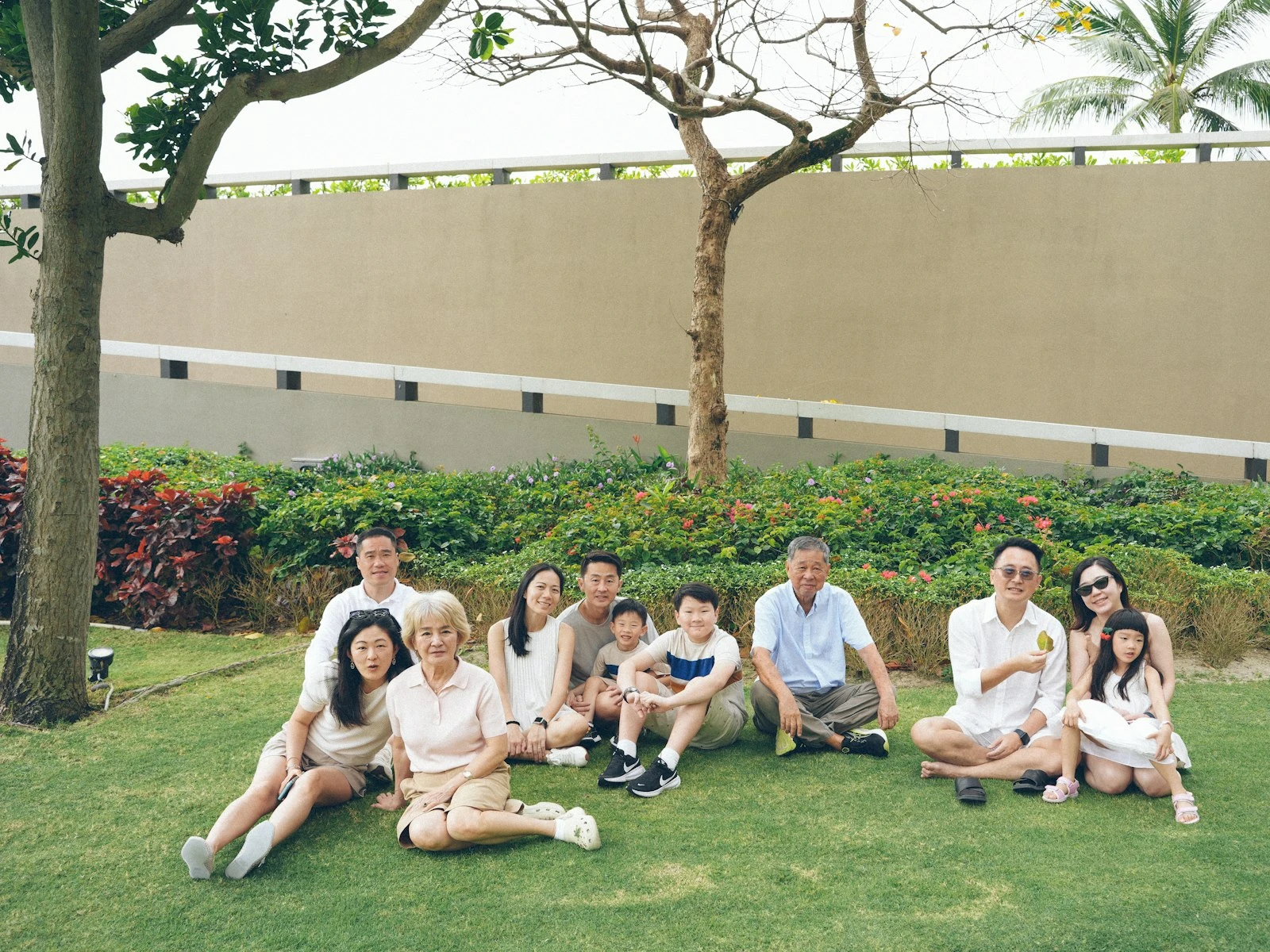
For group portraits: 35-50mm often works because you need the wider view, and faces at normal group distance don't distort as dramatically as close headshots would.
For self-portraits and selfies: The arm's-length wide-angle is your enemy. Use a timer and back up, or use a phone's portrait mode (which crops from a longer equivalent focal length).
For dramatic effect: Extreme wide-angle close-up creates an intentional, stylized look. Know you're doing it on purpose.
For beauty work: Longer lenses (85-135mm) compress features in ways often considered flattering in commercial beauty photography.
Common Mistakes
Using kit lens wide end for portraits: The 18-55mm kit lens at 18mm creates significant distortion. Zoom to 50mm+ for portraits.
Standing too close with any lens: Even at 85mm, extreme close-ups can show some distortion, so give yourself and your subject some space.
Ignoring background compression: Long lenses don't just affect faces but compress backgrounds too, which is sometimes desirable and sometimes not.
Thinking longer is always better: Telephoto portraits can look flat and lose dimensionality. There's a sweet spot where faces look natural but not compressed.
Not checking the result: Preview on your camera's LCD and zoom in on the face. If something looks stretched or flat, adjust your distance.
Beyond the Face
Focal length choices affect more than facial proportions.
Background separation: Longer lenses compress the background, making it appear closer and larger behind subjects. Wide angles push backgrounds away and make them appear smaller.
Working space: Telephoto requires much more distance to frame a headshot. In tight spaces, you might be forced to use wider angles.
Subject comfort: Being far away with a long lens feels less intrusive for camera-shy subjects. Being close with a wide lens can feel confrontational.
Communication: The closer you are, the easier it is to direct, adjust, and connect with your subject. Telephoto creates physical and sometimes emotional distance.
The Practical Bottom Line
For most portrait situations, you can't go wrong with the 50-85mm range (full-frame equivalent). This range
- Provides natural-to-flattering facial proportions
- Allows comfortable working distance for communication
- Creates pleasant background separation
- Works in most indoor and outdoor spaces
Go wider when you need environmental context and accept some distortion. Go longer when you want compression for effect or need working distance.
But most importantly, understand that you're making a decision. The focal length you choose changes how faces appear. Make that choice intentionally rather than defaulting to whatever lens happens to be on your camera.
Key Takeaways
- Focal length does not directly change faces; shooting distance does, and longer lenses simply require you to stand farther away, which flattens the perspective.
- Use 50mm-85mm for head-and-shoulders portraits to avoid the nose-enlarging distortion of wide angles and the excessive flattening of long telephotos.
- Wide-angle lenses (24-35mm) exaggerate features closest to the camera, so avoid them for close-up portraits unless distortion is intentional.
- If you only have a wide-angle lens, step back and crop later rather than shooting close, which minimizes the perspective distortion on facial features.
More in This Guide
Continue exploring portrait techniques.
Related Guides