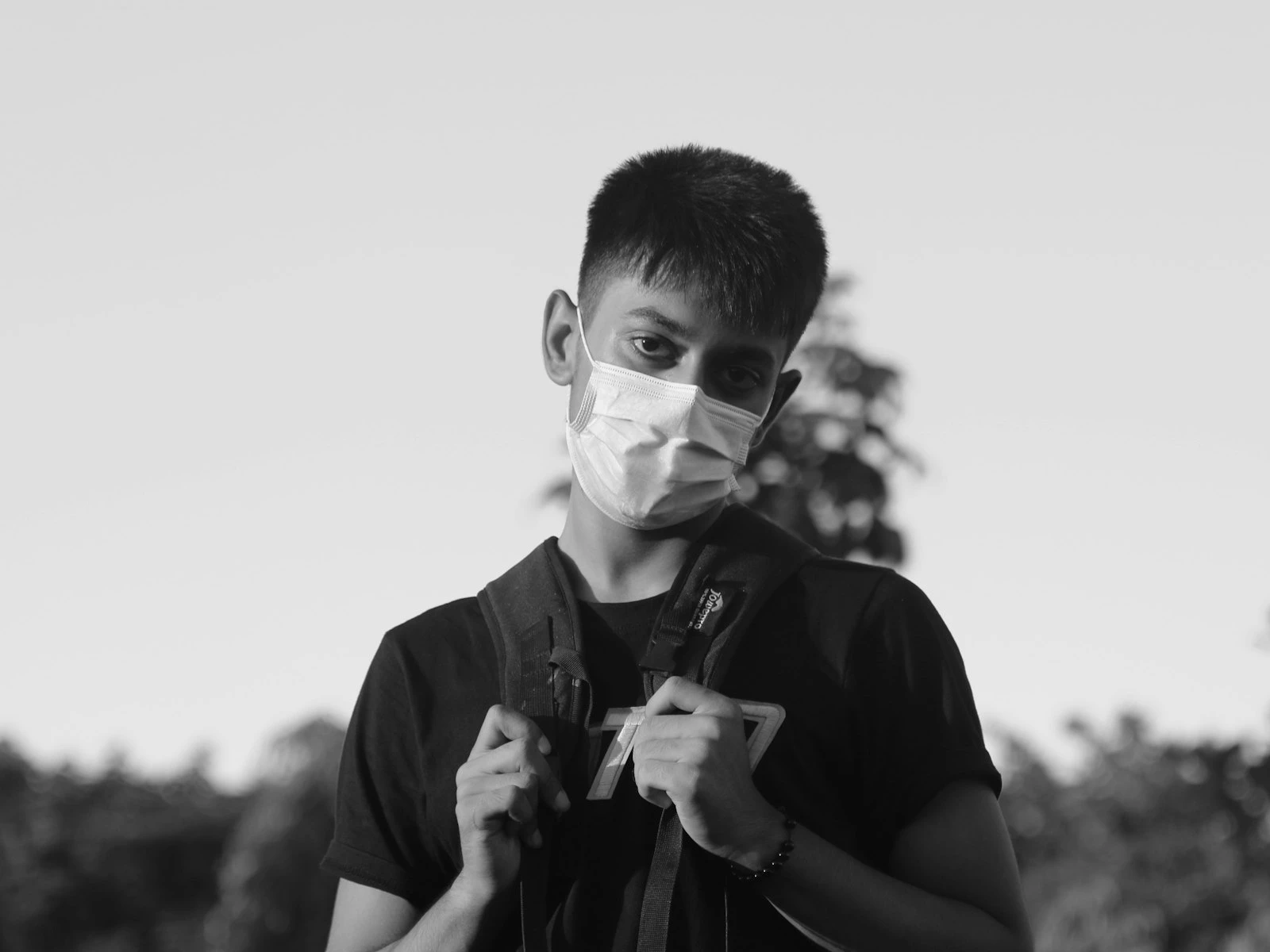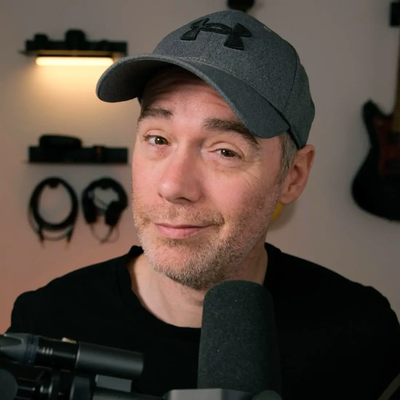
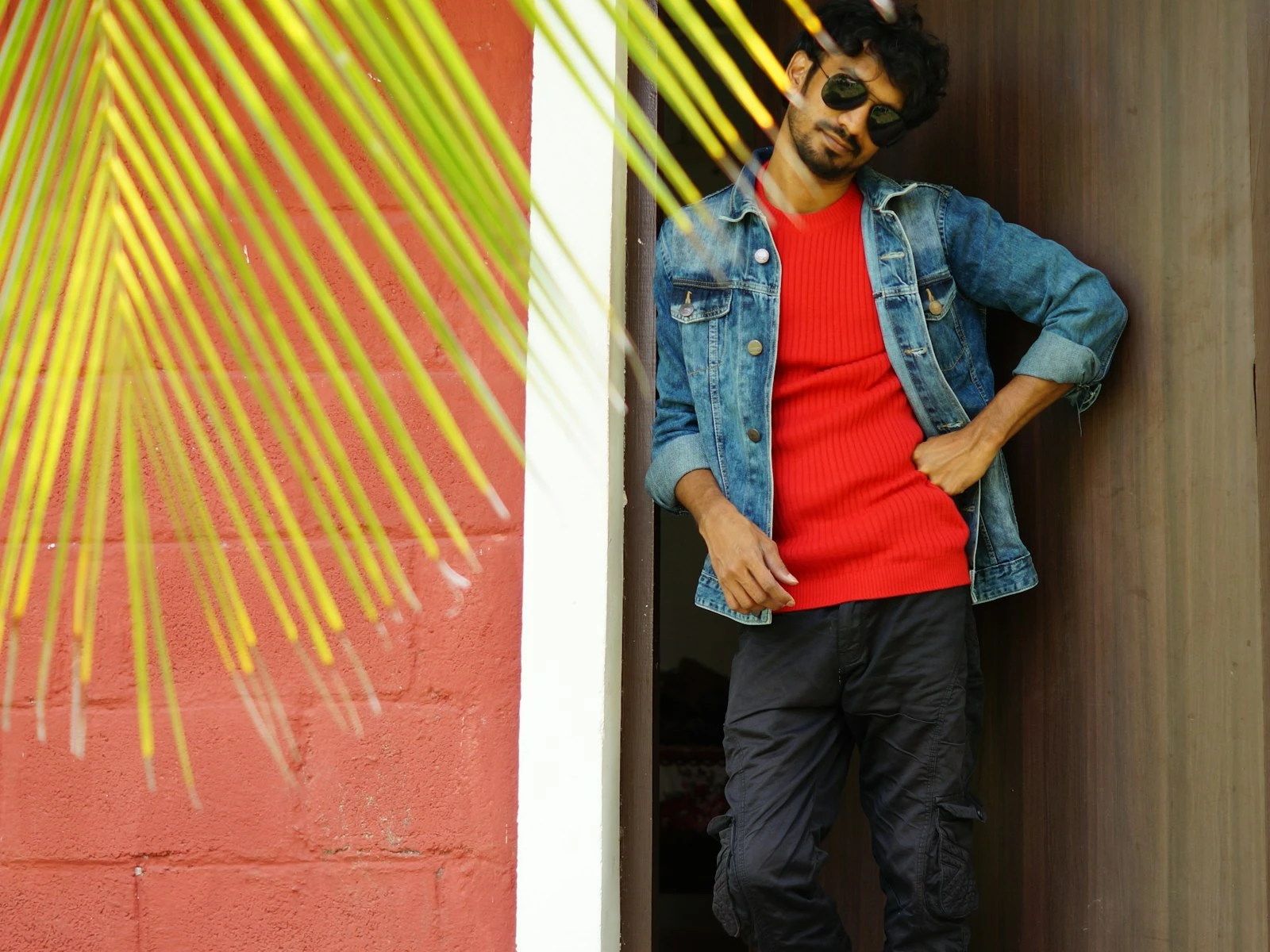
Some people light up in front of a camera. They naturally find their angles, their expressions flow easily, and they seem to relax into being photographed.
Most people feel awkward, self-conscious, and uncomfortable the moment a lens points their direction. They stiffen up, produce forced smiles, and can't seem to figure out what to do with their arms. They genuinely hate having their photo taken, and often hate the resulting images, which confirms their discomfort and makes the next time even harder.
As a photographer, you're going to work with these people constantly. Family members, friends, clients who need headshots but dread them, subjects who agreed to be photographed but didn't expect to feel so exposed.
Your job is to work around their discomfort, reduce it, and capture them in moments when it temporarily lifts. It's one of the most human-centered topics in our portraits guide.
Understanding the Discomfort
Before you can help someone relax, it helps to understand why they're uncomfortable in the first place.
Self-consciousness multiplies under observation. Most people go through daily life without thinking too much about how they look, and a camera creates acute awareness of being watched and recorded. Every perceived flaw suddenly feels amplified.
Photographs feel permanent. A bad moment passes, but a bad photo can live forever, creating pressure that doesn't exist in regular social interactions.
They don't know what to do. Most uncomfortable subjects aren't actors or models. They have no framework for "being photographed" and freeze when they suddenly need one.
Past bad experiences. Many camera-shy people have seen unflattering photos of themselves and now expect every photo session to produce more evidence that they "don't photograph well."
Understanding this helps you respond with empathy rather than frustration. Their discomfort is real and valid, and your job is to reduce it, not dismiss it.
Start Before the Camera Comes Out
The worst thing you can do with an uncomfortable subject is immediately start photographing them. Every moment of visible discomfort gets captured. Every forced smile goes on record. They see you shooting and feel even more pressure.
Instead, start with just talking.
Have a genuine conversation. Not small talk, but real engagement. Ask about something they're interested in. Listen to their answers. Let them talk without pressure to perform.
Explain the process. "We're going to start with some test shots just to dial in the light, then we'll try a few different spots. Nothing is final until we both like it." Uncertainty creates anxiety, and a roadmap reduces it.
Acknowledge their feelings. "I know being photographed isn't everyone's favorite thing. We'll take it easy and I'll show you shots as we go so you can see what's working." This validates their experience rather than dismissing it.
Delay raising the camera. Find the light, choose the location, get them positioned, all while continuing to chat normally. The camera can wait until they've forgotten to be nervous.
This pre-camera time is the foundation that makes everything else possible.
Give Structure Without Demanding Performance
Uncomfortable subjects need direction because they genuinely don't know what to do. But too much direction makes them feel like they're failing at following instructions.
The balance is giving them enough structure that they're not paralyzed, without creating a situation where they feel constantly corrected.
Start with physical position. "Let's have you lean against this wall" or "Can you sit on the edge of this chair?" Physical positioning is concrete, and they can follow it without interpreting.
Then refine incrementally. Once they're positioned, small adjustments feel collaborative rather than critical. "Lean your weight back a bit" is easy. "Turn your head toward me just a touch" is manageable.
Give purpose to movements. "Walk toward me slowly" or "Shift your weight to your back foot" gives them something to do rather than something to be. Action reduces self-consciousness.
Avoid negative framing. "Don't stand so stiff" tells them they're doing it wrong. "Try relaxing your shoulders" gives them something to do about it. Same intention, different experience.
Let them settle. After positioning someone, wait a moment before shooting. They'll naturally relax into a position that feels comfortable. The first shot after settling is often better than the posed shot itself.
The Conversation Technique
The most reliable way to get natural expressions from uncomfortable subjects is to make them forget they're being photographed.
This means shooting during genuine conversation, not during posed moments.
Ask questions that require thought. "What's something you're looking forward to this month?" makes them think and respond naturally. Their face changes as they consider the answer.
React to their answers. This should feel like genuine conversation. Laugh at funny things, express interest in interesting things. Your natural engagement prompts their natural responses.
Keep talking while shooting. Don't go silent when you raise the camera. Continuing the conversation makes the camera secondary to the interaction.
Avoid "smile" or "say cheese." These produce the fake expressions camera-shy people hate to see later. If you want a smile, earn it with something genuinely amusing.
Don't stop at the first smile. The first genuine expression often has a nervous edge, so keep the conversation going since subsequent expressions tend to be more relaxed.
The goal is creating moments where their attention is on the conversation, not the camera, because in those moments their face does what faces naturally do. You just need to be ready to capture it.
Give Them Something to Do
Empty hands and nothing to do creates self-consciousness, and occupation reduces it.
Props that make sense. A coffee cup, a book, their phone, sunglasses. Anything that gives their hands purpose. The prop doesn't need to be in every shot; just having it available helps them feel less exposed.
Interaction with environment. "Lean on this railing," "sit on the steps," "walk through this doorway." Any physical engagement with surroundings gives them an action rather than a pose.
Movement sequences. "Walk toward me slowly" captures many natural moments, and the person is doing something rather than standing frozen. Movement also creates variety without demanding new poses.
Activities they enjoy. A musician with their instrument, a chef in their kitchen, anyone doing something they're confident in. These scenarios reduce performance anxiety because they're in their element.
Occupation creates natural body language. When someone is doing something, their body knows how to position itself, but when they're doing nothing and waiting to be photographed, they freeze.
The Power of "This Is Just for Testing"
Pressure creates tension, and removing the pressure often lets the tension follow.
"Let me just take a few test shots to check the light." This reframes the shooting as technical rather than performative. The images "don't count," except they often do.
"Just give me a minute to dial in these settings." They relax because you're busy with equipment, not expecting them to perform.
"That's perfect for what I needed to check." Validates them without creating pressure for the next shot to match.
Some photographers genuinely use test shots only for testing, but many discover that the test shots taken while the subject isn't really performing capture the most natural expressions.
You're not deceiving anyone. You're just creating conditions where the pressure drops.
Show Them Good Shots Early
Camera-shy people often assume they look terrible, and confirming they look good changes everything.
After 5-10 shots, show them your screen. Pick one where they look natural, ideally one with flattering angles and good light. "See how good that looks?" Their relief is visible.
Point out what's working. "The light on your face is great" or "That angle really works for you." Specific positive feedback is more convincing than general praise.
Don't show unflattering shots. Obvious, but easy to forget. Only reveal images that support their confidence.
This is collaborative, not secret. Some photographers hide their screens and build to a big reveal, but for uncomfortable subjects, periodic reassurance works better.
Seeing evidence that they can look good in photos transforms their energy for the rest of the session, often for the first time.
Patience and Permission
Uncomfortable subjects need more time and permission to go slow, to take breaks, and to voice their concerns.
Build in breaks. "Let's take a minute. Want to see some of what we've got?" Breaks reduce fatigue and give them moments to reset.
Invite feedback. "Is there anything that feels awkward?" They might have specific concerns (an angle they hate, a side they prefer) that you can easily accommodate.
Don't rush. Pressure to "hurry and get the shot" increases anxiety, and the session takes as long as it takes.
Accept that some discomfort is inevitable. You won't transform a camera-shy person into a natural model, and the goal is reduction rather than elimination. Getting them 70% comfortable still produces dramatically better results than letting them stay at 100% uncomfortable.
Specific Scenarios
The person who won't stop fake smiling: Tell them to take a breath and relax their face completely, then ask them something that requires thought. The genuine response replaces the fake smile.
The person who stands completely stiff: Give them movement by having them walk, turn, or shift weight. Movement breaks the freeze, and you can also have them shake out their arms and shoulders before trying again.
The person who won't look at the camera: Don't force it, because some of the best candid-style portraits have subjects looking away. If they're more comfortable not making eye contact with the lens, work with it.
The person who keeps apologizing: Normalize their experience. "You're doing great. Everyone feels weird being photographed at first." Then redirect to conversation.
The person who criticizes themselves: Don't argue. Acknowledge and redirect. "I hear you, but trust me, this angle is really working. Let's try a couple more this way."
What Not to Say
Certain phrases reliably make uncomfortable people more uncomfortable.
- "Relax!" They would if they could. This just adds pressure.
- "Just be natural!" They have no idea what that means in this context.
- "Smile!" Produces the fake smiles they hate.
- "You look great!" If repeated constantly, becomes meaningless.
- "This won't take long." Creates time pressure.
- "Don't be nervous." Highlights the nervousness they're trying to hide.
Give specific direction instead, have genuine conversation, and create conditions where relaxation happens naturally. Soft, directional light also helps, since squinting into harsh sun makes anyone look tense.
The Realistic Outcome
You won't transform every uncomfortable subject into a natural model. The real goal is capturing them in moments where their discomfort temporarily lifts during genuine expressions, natural movements, and authentic engagement. These moments exist even in deeply camera-shy people. Your job is to create the conditions where they occur, and to be ready when they do.
Often, the people most uncomfortable being photographed are the most delighted when they see photos where they look natural and relaxed. For many, it's the first time they've liked a photo of themselves.
That's worth every extra minute of patience.
Key Takeaways
- Talk constantly and maintain genuine conversation to distract subjects from the camera and reduce self-consciousness.
- Give specific, small physical directions ("shift your weight to your left foot") rather than vague instructions ("look natural").
- Demonstrate poses yourself so subjects can mirror rather than interpret verbal descriptions, which reduces confusion and self-awareness.
- Capture during transitions between poses and during natural reactions, since the in-between moments often produce the most genuine expressions.
More in This Guide
Continue exploring portrait techniques.
Related Guides