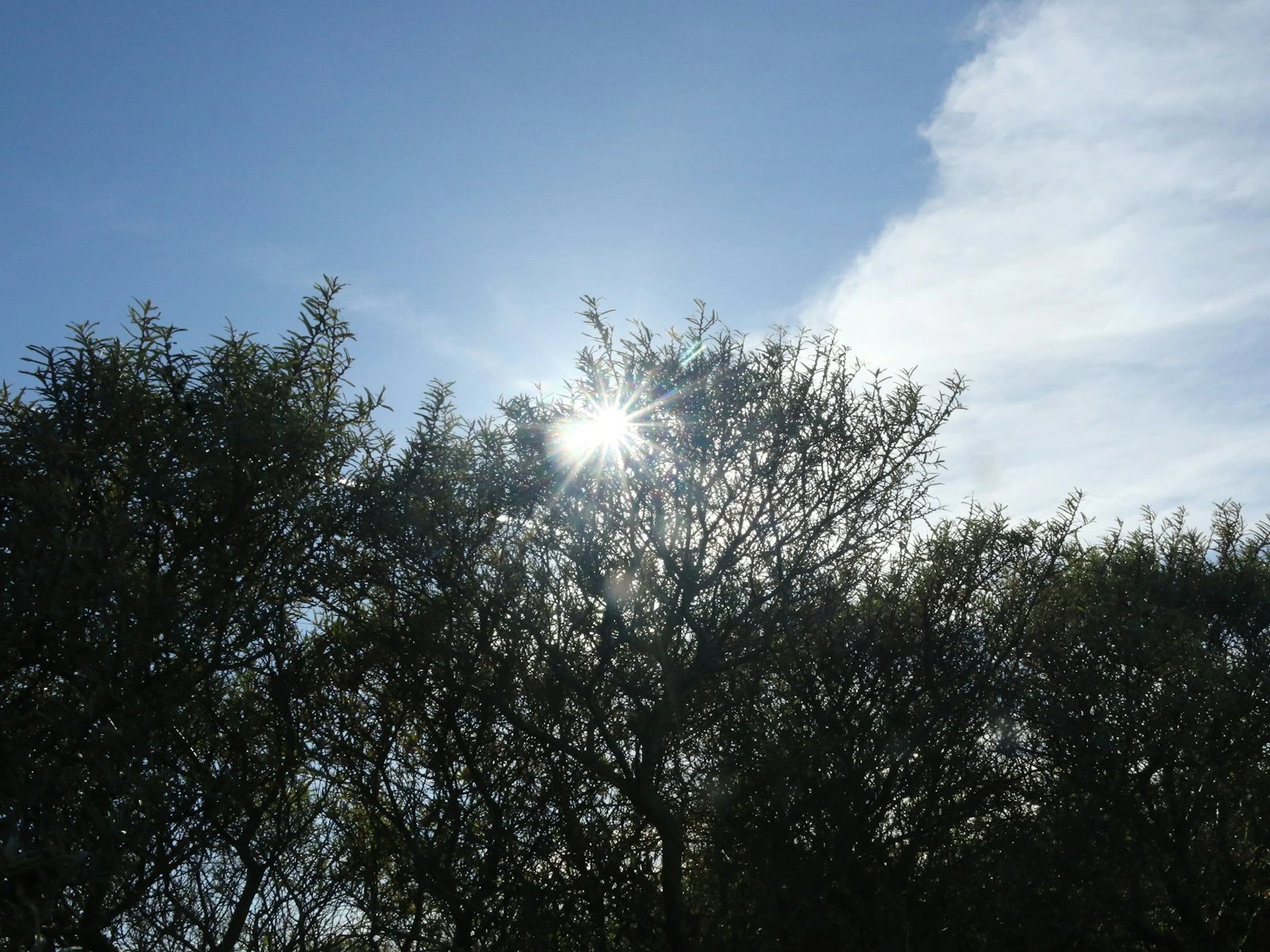
Midday sun has a terrible reputation in photography as harsh, contrasty, and unflattering. The conventional wisdom says wait for golden hour.
But life happens at midday, and travel, events, family gatherings, and vacations don't pause for better light. If you only shoot during golden hour, you miss most of what matters.
The solution is learning to work with midday light effectively, and it's one of the most practical topics in our lighting guide.
Why Midday Sun Is Challenging
Understanding the problem helps you solve it.
Overhead angle. At midday, the sun is high. Light comes from above rather than the side. On faces, this creates dark eye sockets, shadows under noses and chins, and bright foreheads. On landscapes, it means short shadows that don't define terrain.
Hard quality. There's less atmosphere between you and the sun, and usually fewer clouds. The light is direct and concentrated. Shadows have sharp, hard edges.
High contrast. The difference between lit areas and shadow areas is extreme. Cameras struggle to capture both. Expose for highlights and shadows go black. Expose for shadows and highlights blow out.
Unflattering for skin. Hard overhead light emphasizes texture, and every pore, wrinkle, and imperfection becomes visible. It's the opposite of the soft, flattering light portrait photographers seek.
Squinting subjects. People facing the sun at midday can't keep their eyes open comfortably. You get squints instead of natural expressions.
None of this means you can't get good photos. It means you need different strategies than you'd use with easier light.
Strategy 1: Find Open Shade
The simplest midday solution: don't shoot in direct sun.
Open shade exists everywhere on sunny days. The north side of buildings (in the northern hemisphere). Under awnings, porches, and covered walkways. At the edge of tree canopy. In doorways and alleys.
What makes it "open" shade: you're blocked from direct sun, but you can still see the sky. The sky becomes your light source, enormous and diffused. Shadows become soft, contrast becomes manageable, and the harsh midday quality disappears.
Where to look:
- Building shadows (check which side based on sun position)
- Covered structures of any kind
- Tree lines (not deep under trees where dappled light causes problems)
- Overhangs, bridges, parking garages
- Anywhere a roof or overhang creates shade while one side remains open
Portrait example: Walk your subject from harsh sun to the nearest building's shade. Position them facing the open sky (away from the building). The difference is immediate and dramatic.
Strategy 2: Use the Hard Light
Sometimes the best approach is embracing harsh light rather than avoiding it.
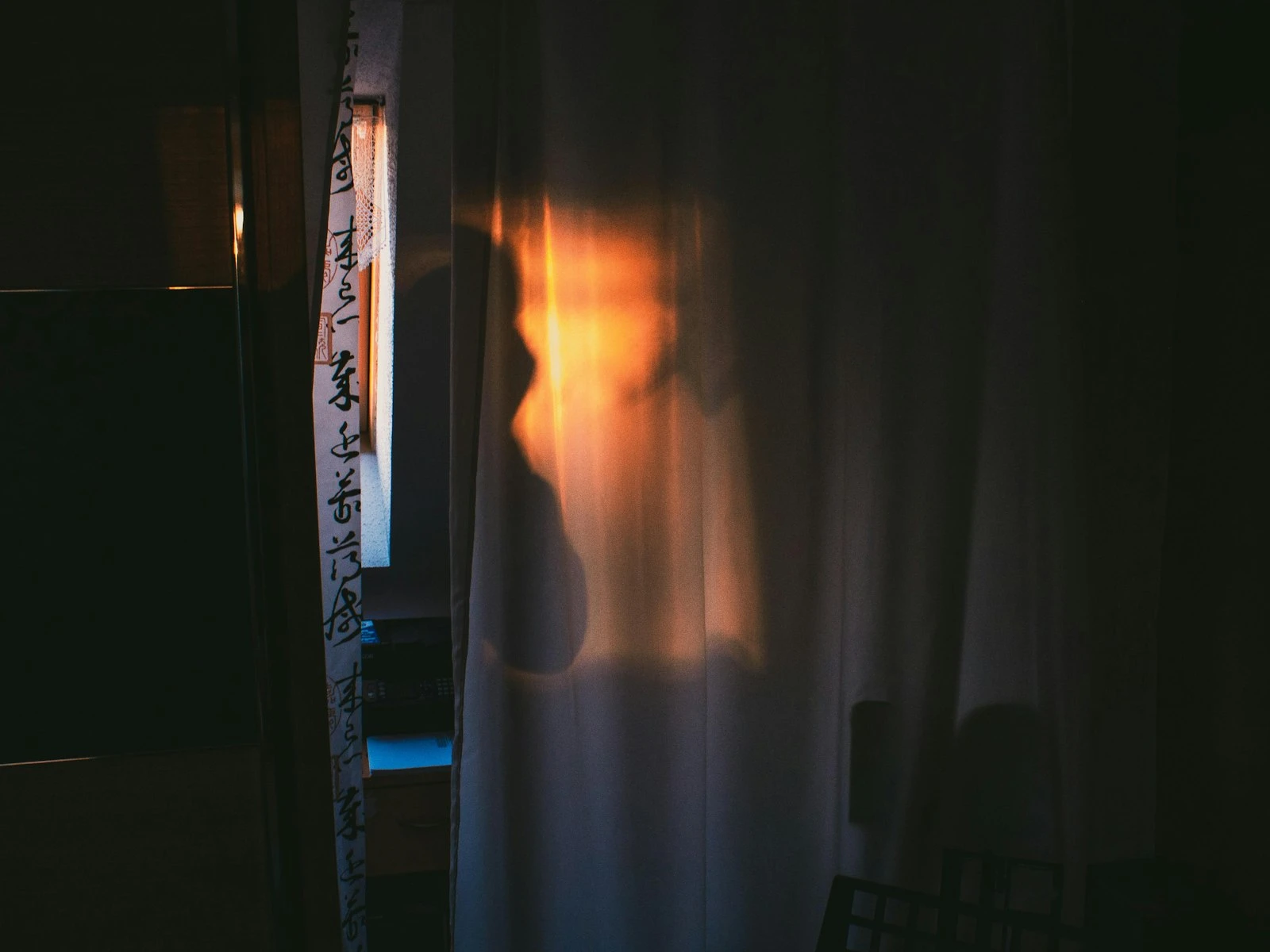
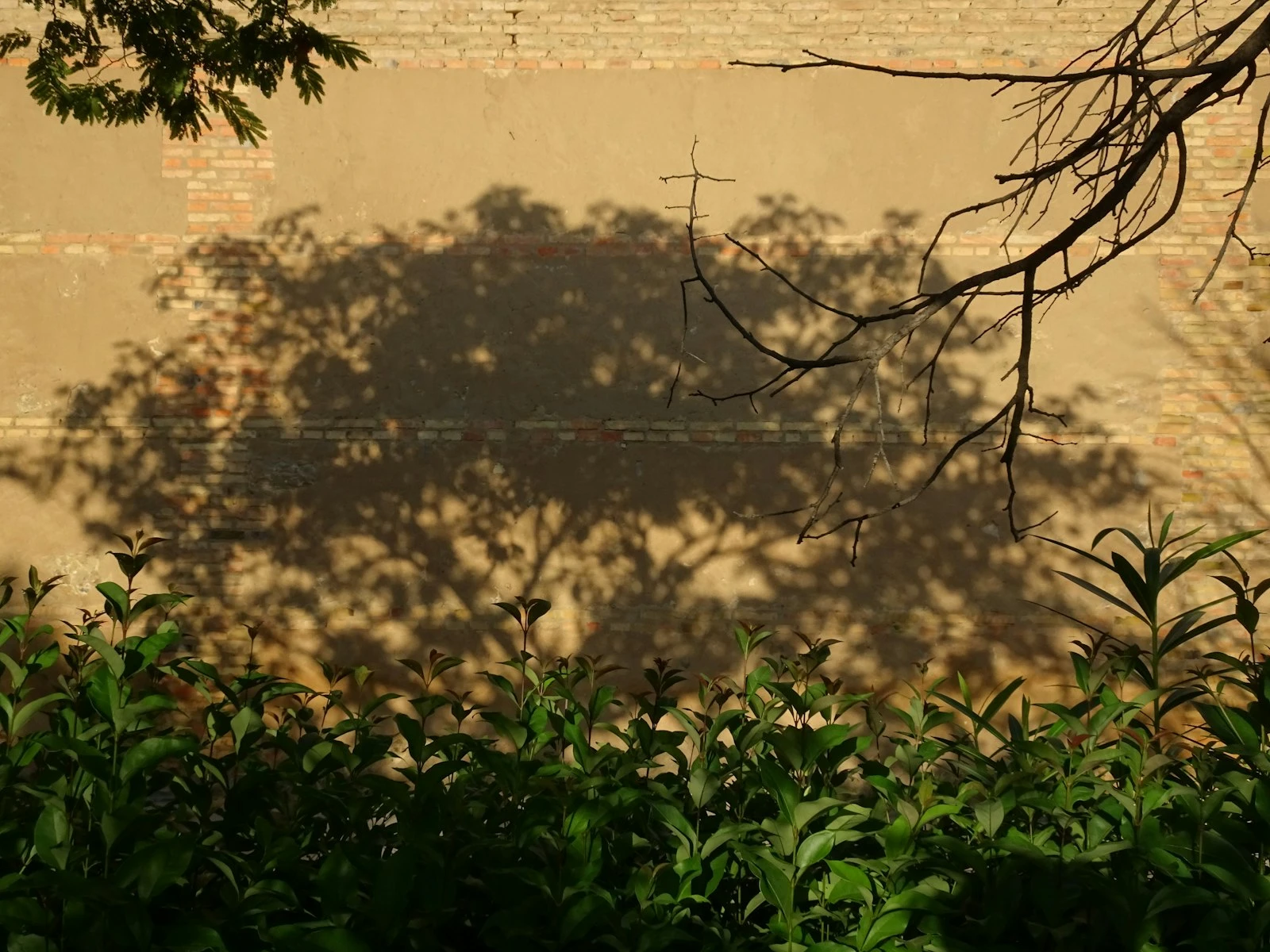
Graphic compositions. Hard shadows create strong shapes. Look for geometric patterns of light and shadow on buildings, streets, and surfaces. Let the shadows become the subject.
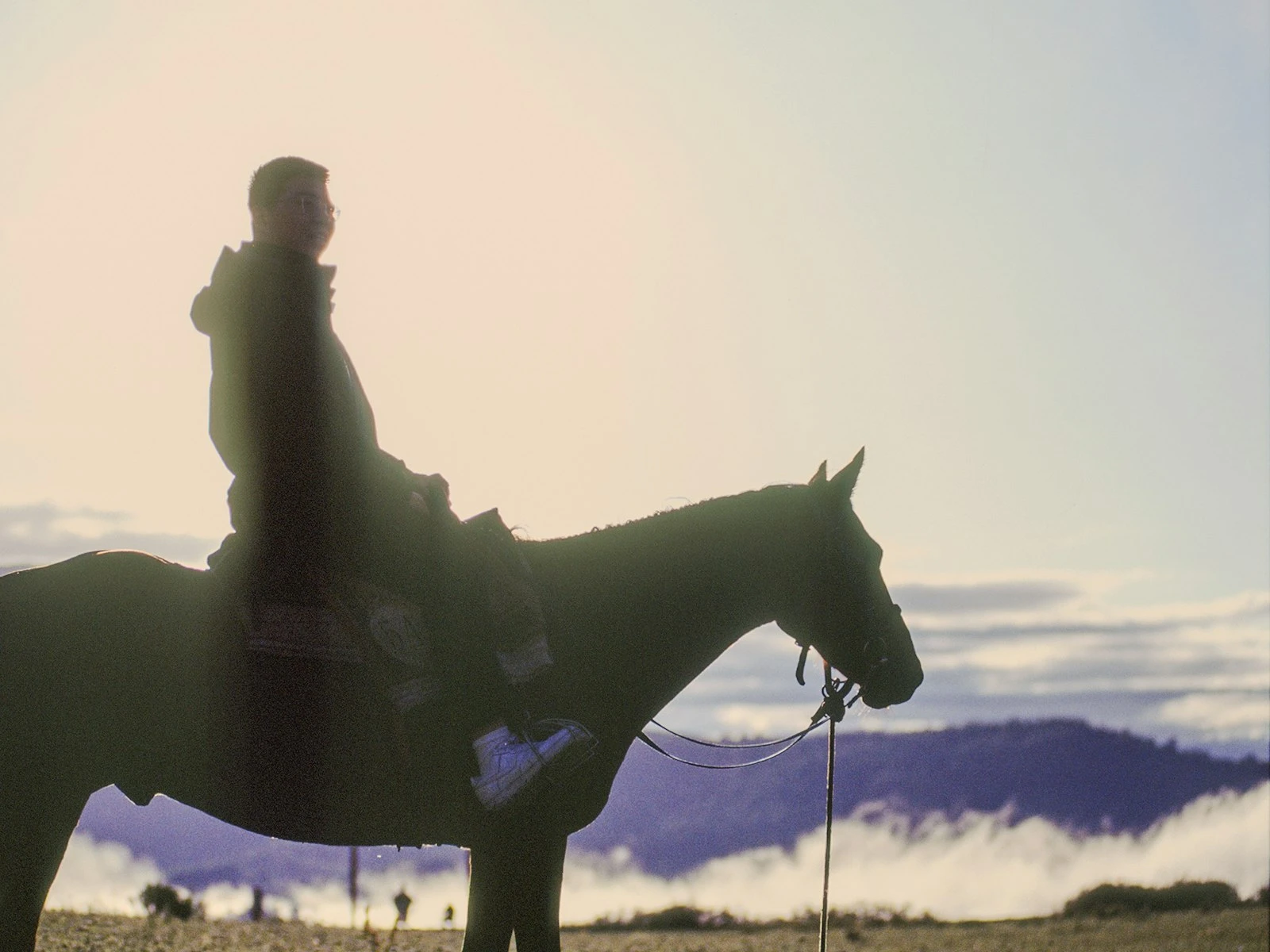
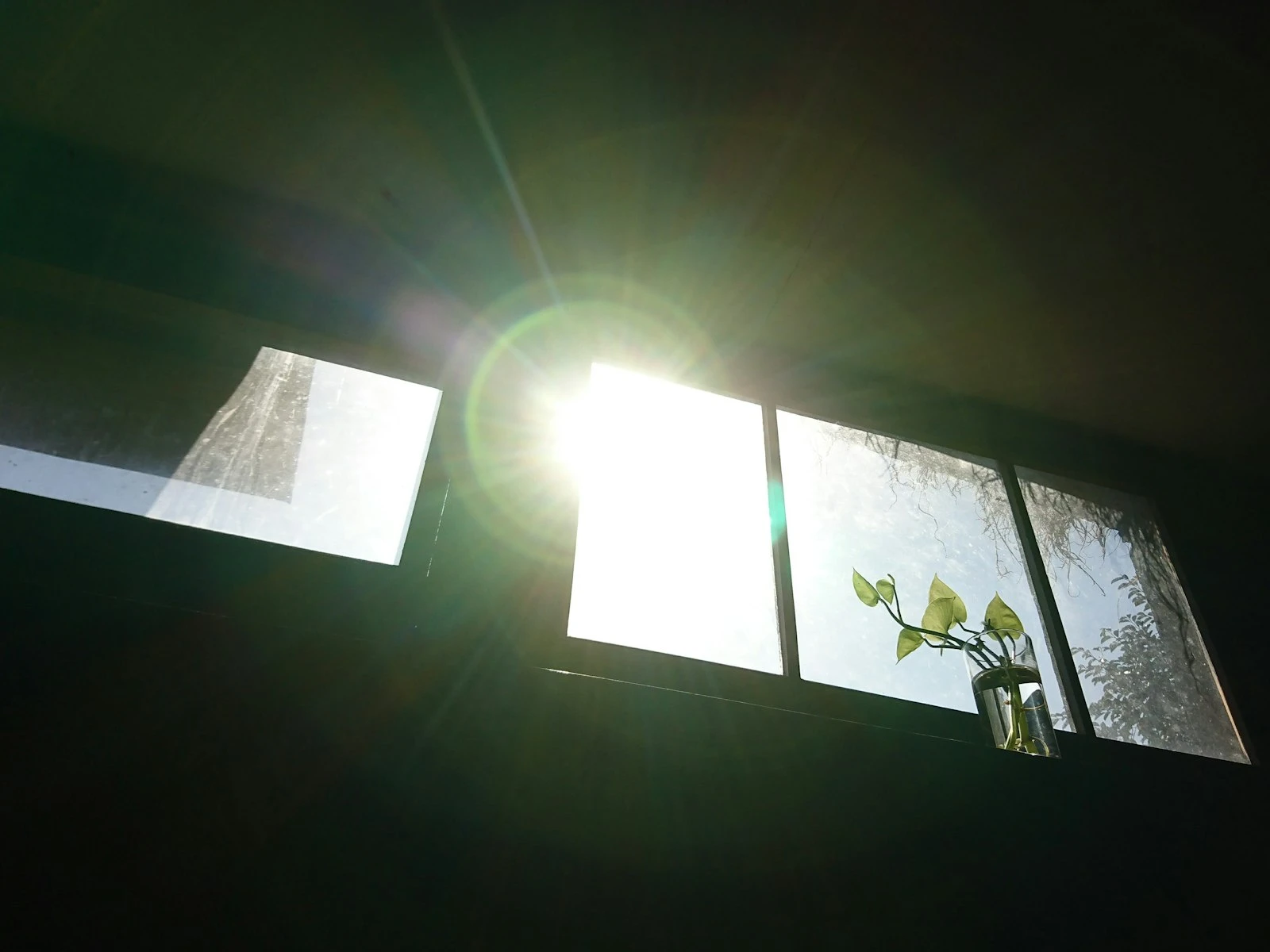
Silhouettes. Shoot toward the sun and let subjects go dark. The bright sky becomes the background, the dark shape becomes the story.
High-contrast black and white. Convert to monochrome and embrace the extreme tonal range. What looks harsh in color can look dramatic in black and white.
Texture emphasis. Hard light reveals texture. Rough surfaces, peeling paint, and weathered wood come alive in direct sun. Move close to details that benefit from the contrast.
Bold colors. Midday sun saturates colors intensely. If your subject is about color, like markets, flowers, or painted surfaces, the harsh light might actually help.
Stop fighting the light and start looking for what it does well.
Strategy 3: Position Strategically
When you can't find shade and don't want silhouettes, positioning helps.
For Portraits
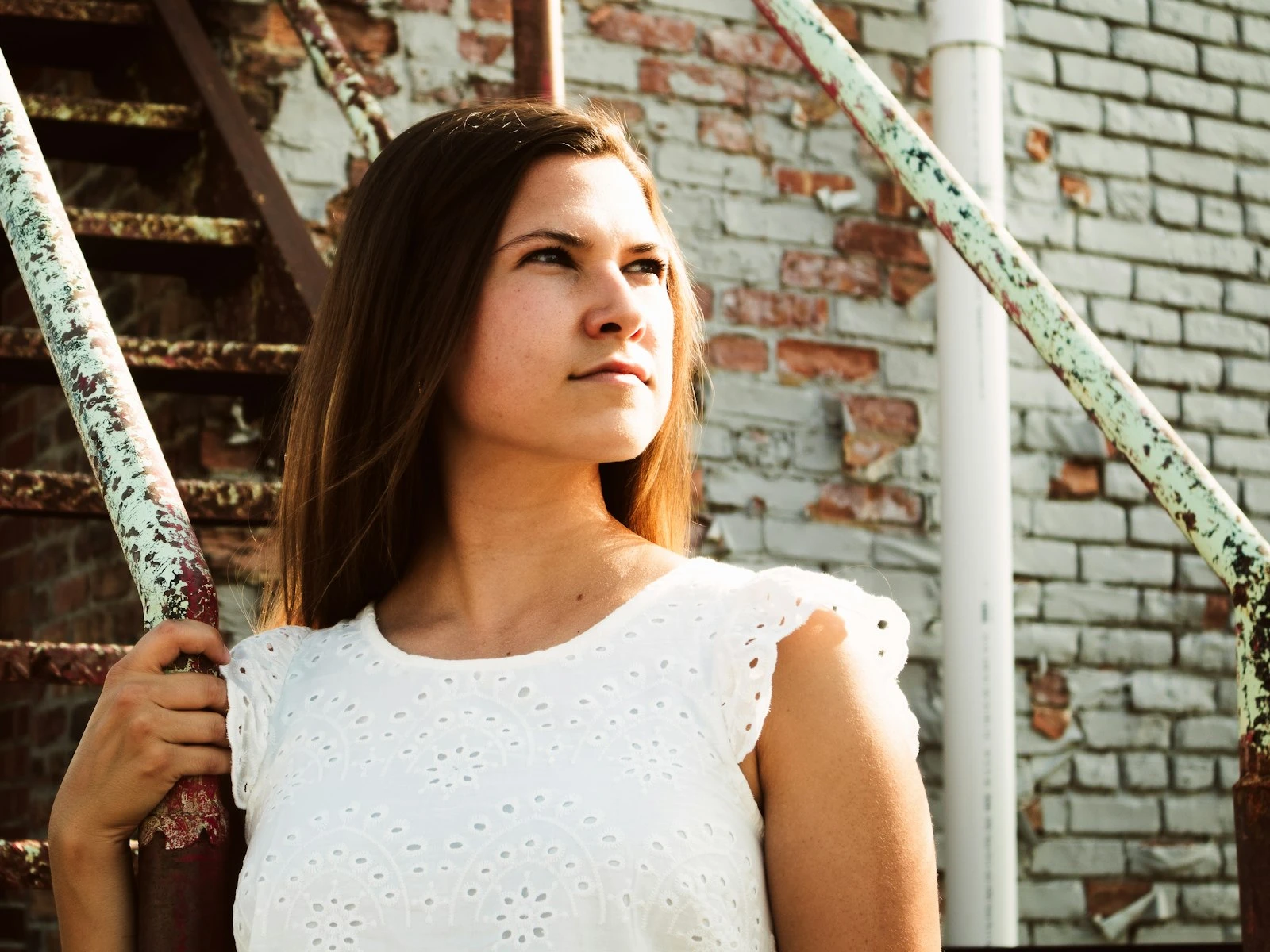
Turn them away from the sun. Backlight the subject so the sun hits the back of their head. This creates rim lighting on hair (often beautiful) while their face is in shadow. Expose for the shadowed face, and the background will blow out, often acceptably.
Add fill. A reflector on the front of a backlit subject bounces light into their face, reducing contrast. Even a white piece of paper helps.
Find a face shadow. Position them where something overhead (tree branch, building edge) shadows their face but not their body. This reduces the overhead face lighting problem.
Wait for blinks. If someone has to face generally toward the sun, have them close their eyes, count to three, and open just before you shoot. This avoids sustained squinting.
For Landscapes
Shoot vertically. Midday isn't ideal for wide panoramic landscapes where you want long shadows defining terrain. But slot canyons, waterfalls, forest canopy, and other vertical subjects often look great.
Use shadows as composition. Pools of shadow can be compositional elements, not just problems. Look for interesting shadow shapes and include them.
Go monochrome. Midday landscapes often work better in black and white, where the harsh contrast becomes graphic strength.
Wait for clouds. Even occasional clouds passing in front of the sun give you moments of softer light. Watch the sky and time your shots.
Strategy 4: Manage Exposure
Hard light creates exposure challenges. Your camera sees a bigger brightness range than it can capture.
Expose for highlights. This means letting shadows go dark while preserving bright areas. Often the better choice because blown highlights are unrecoverable, while shadow detail can often be lifted in post.
Use HDR thoughtfully. Modern cameras have good HDR modes that help tame extreme contrast. Use it for landscapes, but it often looks unnatural for portraits.
Spot meter carefully. Evaluative/matrix metering gets confused by high contrast scenes. Spot metering on your subject gives more predictable results.
Bracket. When in doubt, take multiple exposures at different settings. You can choose the best or blend them later.
Use fill flash. Yes, flash in bright sun. A burst of flash on a backlit subject balances the exposure, filling in the shadowed face while the sun does the background. This serves as fill, which is different from direct flash.
Strategy 5: Adapt Your Subject Matter
Some subjects shine at midday while others struggle, so choose wisely.
Works well at midday:
- Graphic/geometric compositions
- Architecture with bold shapes
- Street photography in urban shadows
- Water (pools, oceans, fountains, since overhead light makes them blue)
- Details and textures
- Underwater photography
- Silhouettes against bright sky
Challenging at midday:
- Standard portraits (unless in shade)
- Wide landscape panoramas (no defining shadows)
- Anything where soft light is essential
- Wildlife (unless they're in shade or you want silhouettes)
Plan your shooting around what the light does well. Save the wide landscapes for golden hour. Shoot the architectural details and street shadows at midday.
Strategy 6: Post-Processing Help
You can't fix truly blown highlights or pure black shadows. But you can work with the range you captured.
Lift shadows. Modern cameras capture significant shadow detail. Lift shadows in your RAW processor to recover information. This reduces apparent contrast.
Reduce highlights. Bring down highlights to recover detail in bright areas. The combination of lifted shadows and reduced highlights tames midday contrast.
Local adjustments. Use graduated filters or brushes to selectively adjust specific areas. Darken that too-bright sky. Lighten that too-dark shadow.
Convert to black and white. If color isn't essential, black and white often handles harsh contrast better. What looks ugly in color becomes dramatic in monochrome.
Embrace the look. Sometimes crunchy, contrasty, hard-lit images are exactly right. Don't automatically soften everything. Consider whether the harsh aesthetic serves the image.
Common Midday Scenarios
Family event in a backyard: Find the shade. Position the group under the patio cover, on the shaded side of the house, or under a large tree. Avoid dappled sun through leaves.
Tourist attraction at noon: Look for covered viewpoints, shoot from shade, or embrace silhouettes against landmarks. Use architecture to your advantage.
Beach at midday: Extremely challenging for portraits (sand reflects harsh light everywhere). Best for water shots, graphics, or properly shaded areas. Or backlight subjects against the water.
Street photography: This is actually great midday territory. Look for the contrast between bright sun and deep shadow, figures moving through light, and geometric patterns.
Sports/outdoor events: You're stuck with the light. Shoot with it and position yourself so light comes from behind you onto subjects. Silhouettes at the edges. Embrace the action over the light quality.
The Midday Mindset
Avoiding midday sun is reasonable when you control timing. But treating it as "bad light" leads to missed opportunities.
Midday sun is specific light that's hard, overhead, and contrasty. It's excellent for some subjects and challenging for others, and it demands different techniques than golden hour.
Photographers who complain about midday light are photographers who haven't developed the skills to use it. Add those skills, and suddenly midday becomes another option, not a problem.
Key Takeaways
- Find open shade under awnings, trees, or building overhangs to get soft, flattering light without the harshness of direct overhead sun.
- Use hard midday light intentionally for graphic compositions, strong shadows, silhouettes, and subjects where texture and contrast serve the image.
- Position portrait subjects with their backs to the sun and expose for their face, or move them into shade to avoid squinting and harsh facial shadows.
- Do not avoid midday entirely, because life happens in the middle of the day and learning to work with this light dramatically expands your shooting opportunities.
More in This Guide
Continue exploring lighting techniques.