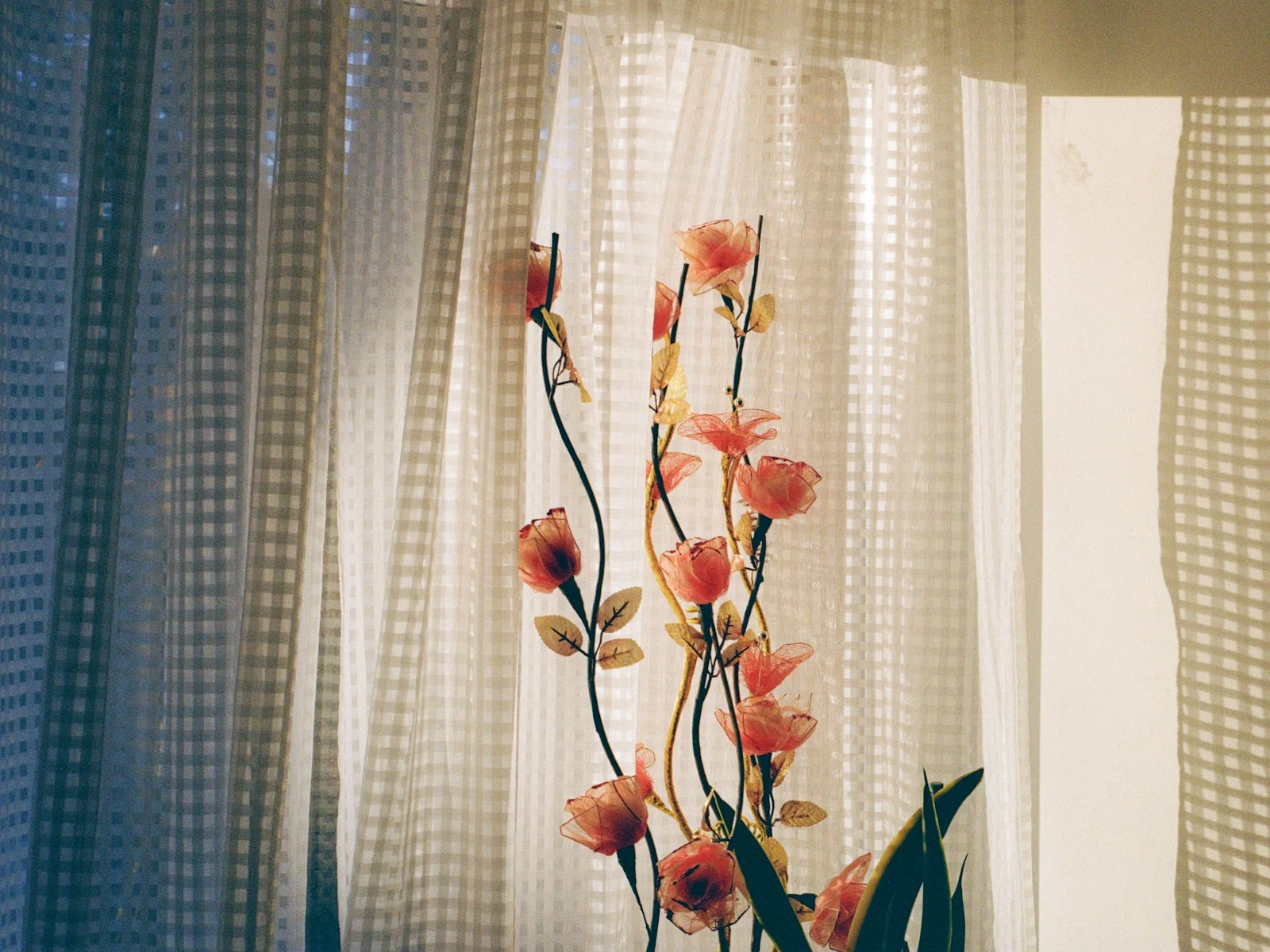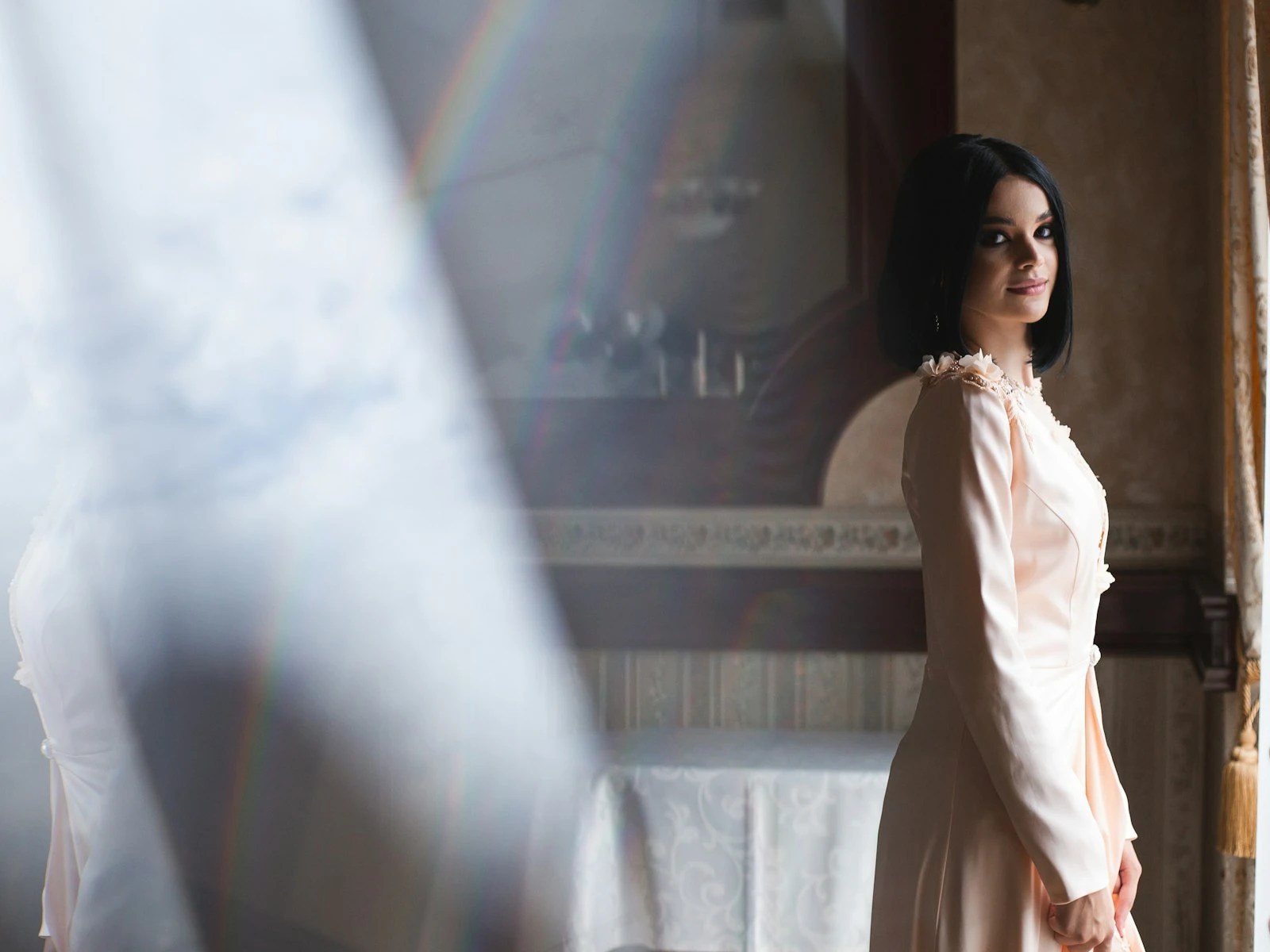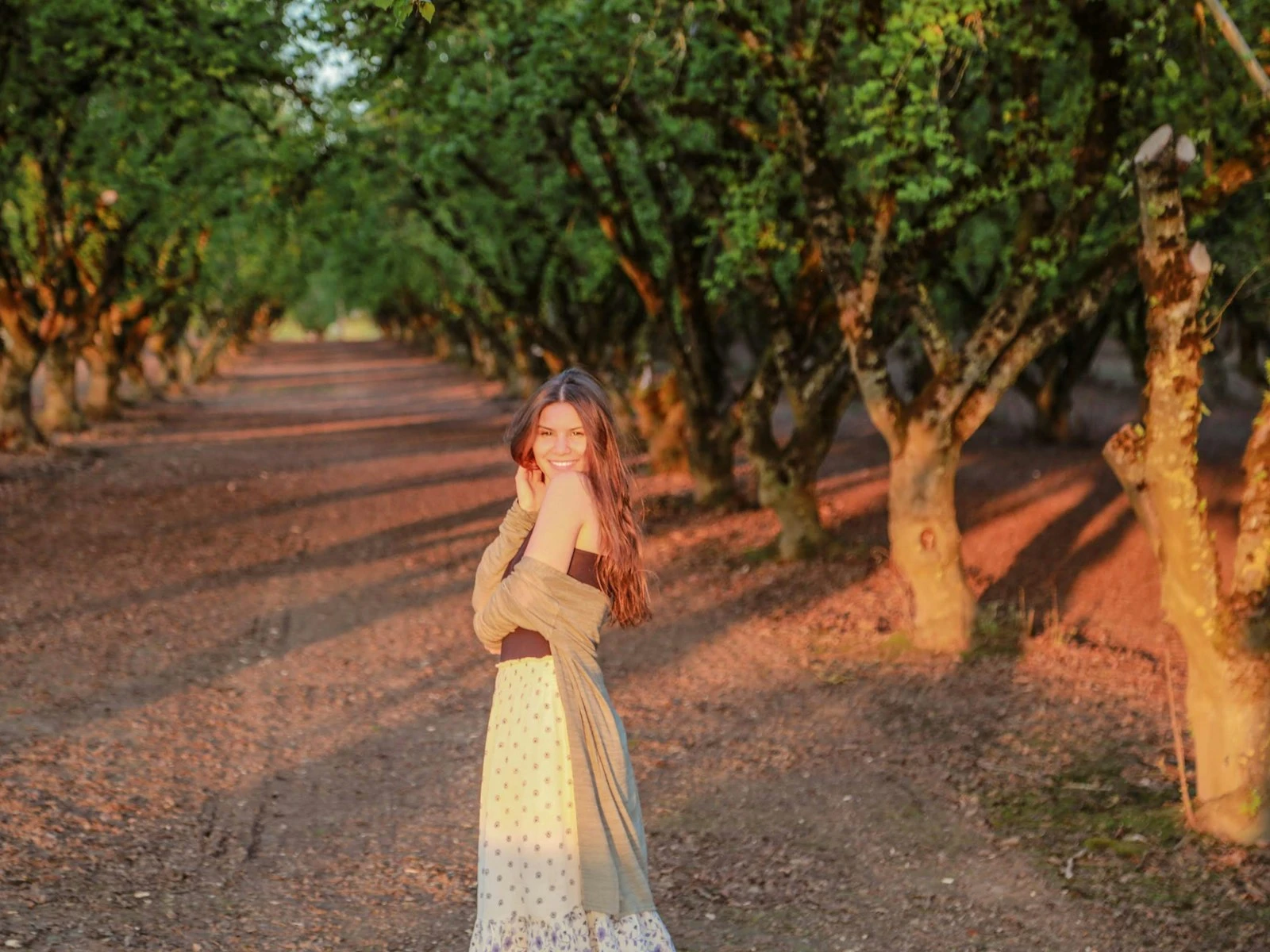
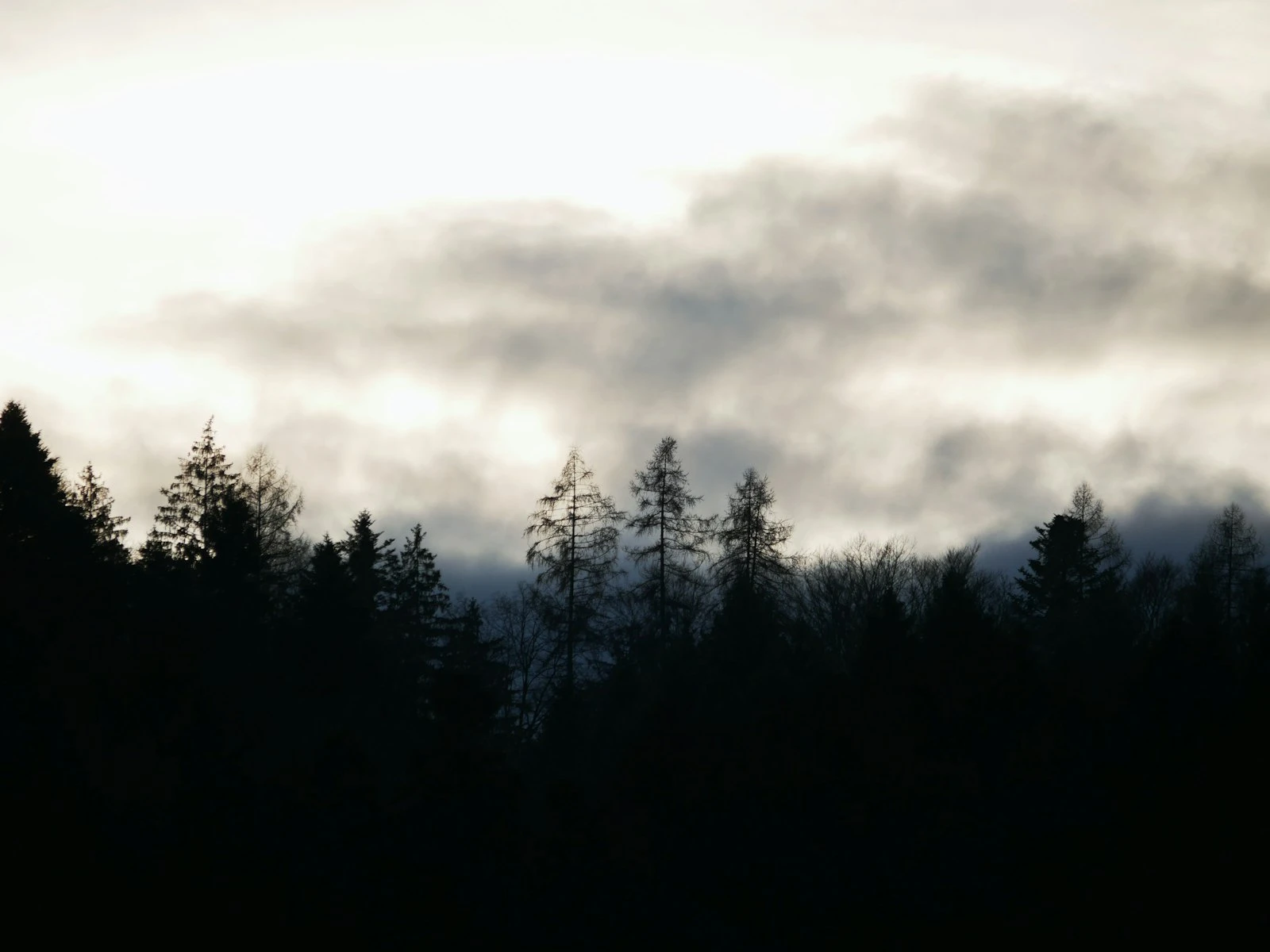
"Bad weather" for photography usually means clouds. Overcast, grey, flat. The conditions most photographers complain about.
But clouds turn the entire sky into the world's largest softbox.
Professional photographers pay thousands of dollars for equipment that creates soft, even, diffused light. On a cloudy day, you get it free, covering everything, requiring no setup.
Overcast light is specific light with its own strengths, and it's one of the most underrated topics in our lighting guide. Once you understand what it does well, you'll stop wishing for sun and start using what you have.
What Clouds Actually Do to Light
On a clear day, light comes from one small source: the sun. It's bright, directional, and creates hard shadows.
When clouds cover the sky, they scatter sunlight across the entire dome above you. The light source goes from a point (the sun) to a hemisphere (the whole sky). This changes everything.
Soft shadows. Hard edges disappear. Shadow transitions become gradual, almost imperceptible. This is universally flattering for skin.
Lower contrast. The difference between bright areas and shadow areas shrinks. Your camera can record the full tonal range without losing highlights or shadows.
Even illumination. Without strong directional light, every side of your subject receives similar illumination. Nothing is dramatically lit or dramatically shadowed.
Reduced dynamic range. The scene fits comfortably within what your camera can capture. No more choosing between blown sky and black shadows.
True colors. Without harsh highlights washing out colors, you see richer, more accurate tones. Greens look green. Skin looks like skin.
This is why portrait photographers often prefer overcast days. The light does half their work for them.
What Overcast Light Does Well
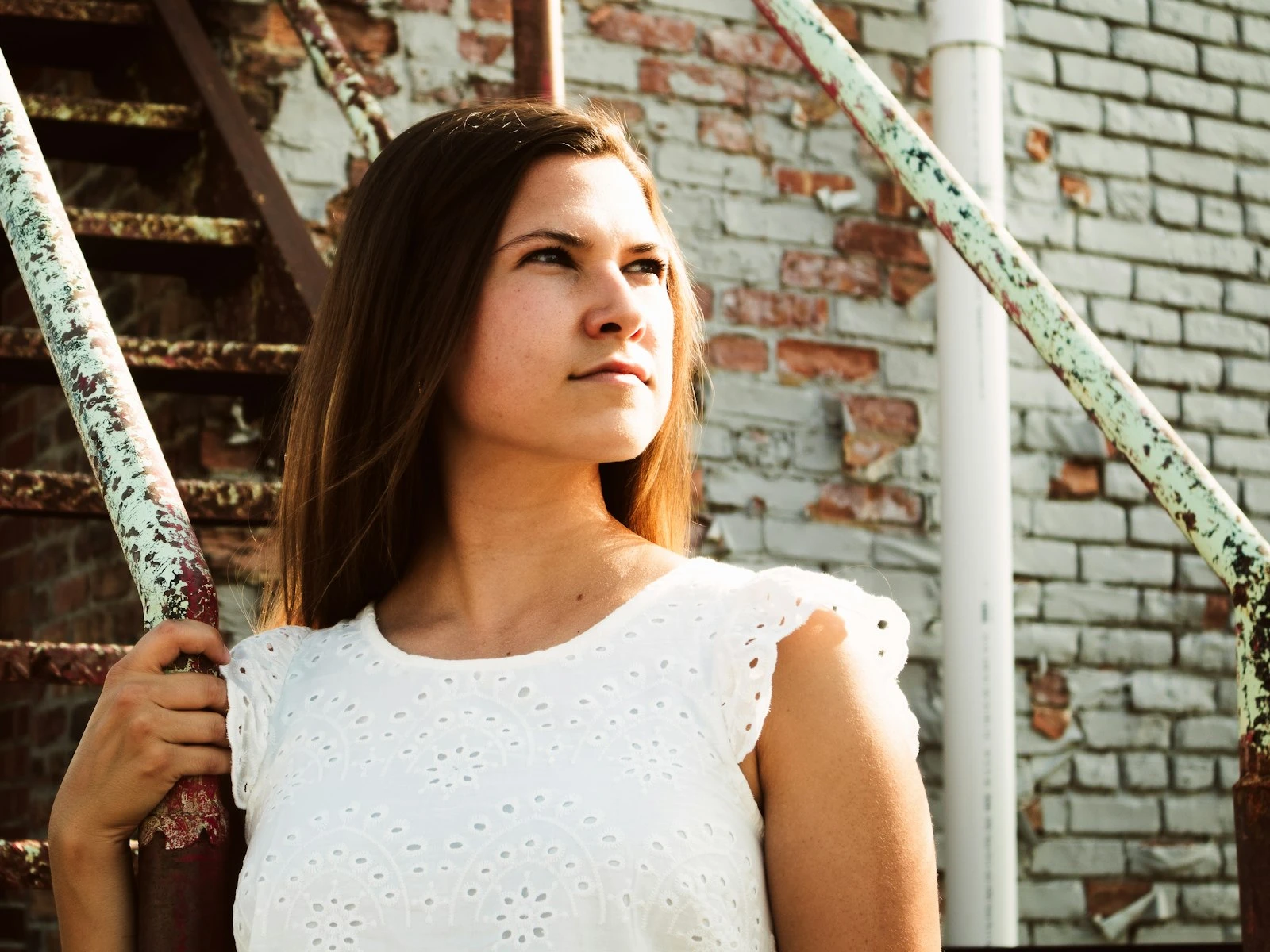
Portraits. Soft light wraps around faces, minimizing skin texture and reducing under-eye shadows without squinting or harsh lines, making it almost universally flattering.
Forests and gardens. Dappled sun through trees creates exposure nightmares, with bright spots and dark shadows in the same frame. Overcast eliminates this, letting you capture the full range of greens and detail.
Waterfalls and streams. Long exposures for silky water become easier without bright spots. The even light lets you capture both water and surrounding forest.
Product photography. Even illumination shows detail without hot spots or harsh shadows. The diffused quality that product photographers create in studios exists naturally outside.
Details and textures. Without competing shadows, small details become visible. Macro photography, food photography, and still life all benefit from diffused light.
Close-up work. Moving in close on overcast days reveals detail that harsh light obscures. The even illumination suits intimate subjects.
Colorful subjects. Markets, gardens, painted buildings. Places where color is the story. Soft light renders colors accurately without blown highlights.
What Overcast Light Challenges
Understanding limitations helps you work around them, or choose different subjects.
Drama and mood. Flat light can feel flat emotionally. Images may lack the punch and energy that directional light provides. If you need drama, overcast isn't delivering it.
Wide landscapes. Distant hills and mountains often lack definition without shadows. The sky is often boring white or grey. Landscape photographers often wait for better conditions.
Separation and depth. Without shadows creating contrast, subjects can blend into backgrounds and depth perception flattens.
Architectural photography. Buildings gain dimension from side lighting, and overcast conditions make them look flat.
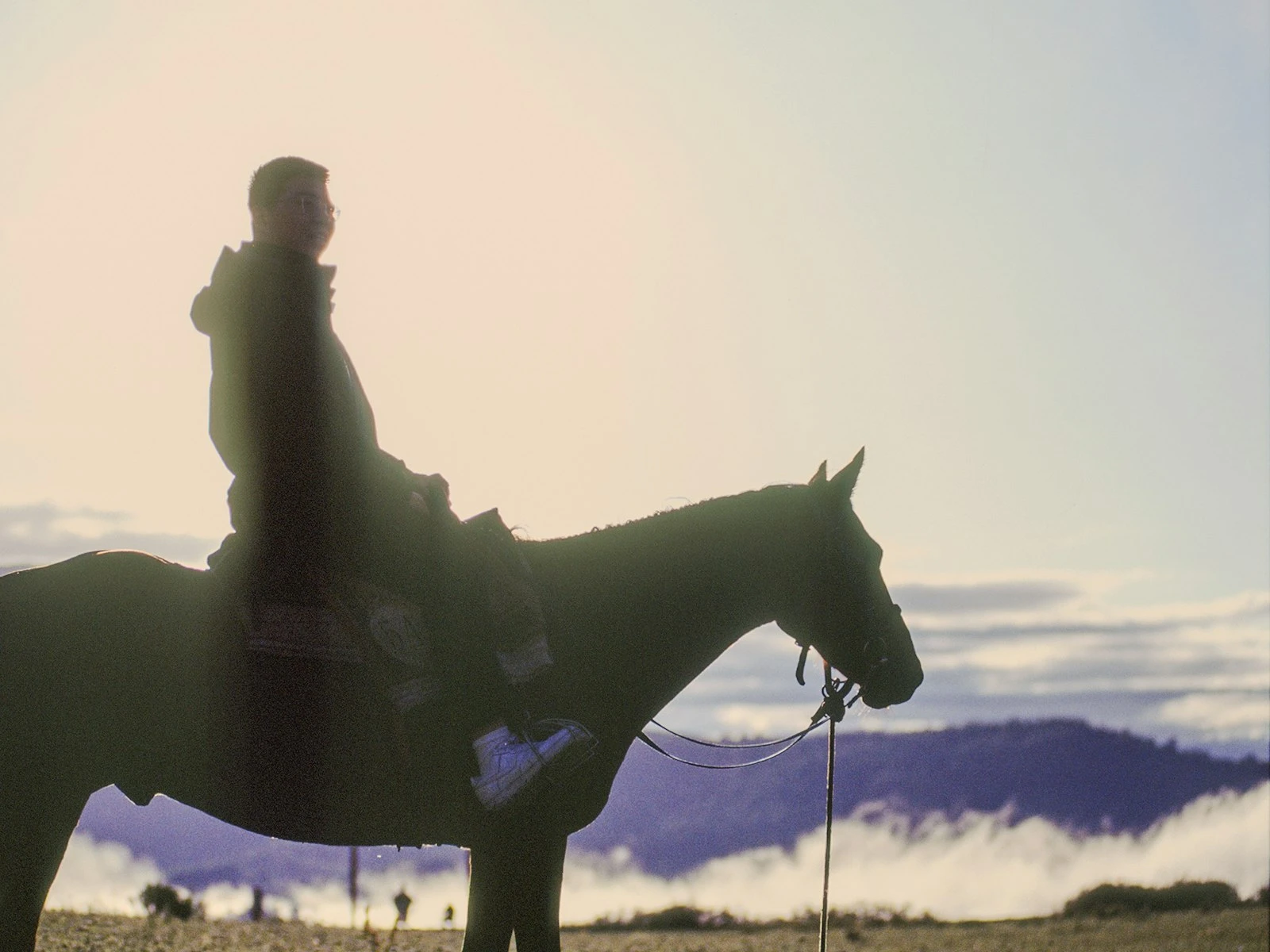
Silhouettes. You need a bright background for silhouettes, which overcast rarely provides.
This doesn't mean avoiding these subjects on cloudy days. It means adjusting expectations or adapting your approach.
Techniques for Overcast Days
Add Your Own Contrast
If the light won't provide contrast, you can.
Subject-background contrast. Position subjects against contrasting backgrounds. Dark subject against light background, or light subject against dark. The light won't create this contrast, but your composition choices will.
Color contrast. Use complementary colors to create visual separation. Red against green, blue against orange. Color does the work shadows would do.
Tonal contrast. Black and white conversion can add drama that overcast light lacks. Push the contrast in post.
Create Directionality
True overcast is directionless, but you can often find some direction.
Under overhangs. Stand your subject under a partial cover like a porch, awning, or tree edge. Light is blocked from one direction, creating subtle shadows.
Near walls. Dark surfaces absorb light. Light surfaces reflect it. Positioning subjects near contrasting surfaces creates fill and shadow.
Thinner clouds. Often part of the sky is brighter than another. Position your subject to face the brightest area for some directionality.
Shoot downward. For close-ups and detail shots, shoot from above. The sky becomes the top light, creating subtle shadows underneath.
Embrace the Softness
Some images are made for soft light.
Move closer. Overcast light shines at intimate distances, so move in on details, faces, and textures.
Slow down. Lower light levels encourage longer exposures. Use a tripod for intentional blur, or simply take more time composing.
Go moody. Overcast and grey can be atmospheric, and fog, mist, and rain all pair naturally with cloudy skies to create a mood worth leaning into.
Manage the Sky
The grey sky is often the weakest element of overcast images.
Exclude it. Frame compositions to minimize or eliminate the sky. Shoot into trees, focus on ground-level subjects, crop tight.
Include it intentionally. If the clouds have interesting texture or patterns, make them part of the composition. Boring grey doesn't add anything, but dramatic cloud formations do.
Replace or enhance it. In post-processing, you can add contrast to clouds, or in extreme cases, replace boring skies. This is a stylistic choice, not a fix.
Portrait Photography in Overcast Light
Overcast is portrait photographer heaven. Here's how to maximize it.
Position for catchlights. Even in soft light, you want reflections (catchlights) in the eyes. Position the subject so they're facing slightly upward toward the sky, enough that you see the sky reflected in their eyes.
Use white cards. A white reflector under the chin fills in subtle remaining shadows. This adds a little energy to the flat light.
Watch skin tones. Overcast light can be slightly cool (blue-ish). Adjust white balance in camera or post to keep skin warm.
Try any direction. Without directional light, front, side, and three-quarter positions all work. Experiment with what flatters each face.
Don't fear close-ups. The forgiving quality of soft light makes close face shots less intimidating. Pores and imperfections are minimized.
Open apertures. Lower light levels mean you can (or need to) shoot at wider apertures. The shallow depth of field that's often desirable becomes more achievable.
When Clouds Break
Pay attention to changing conditions.
Partially cloudy. When sun breaks through, you get dramatic contrast: lit areas against grey sky. This can be more interesting than full sun or full overcast.
Edge of storm. Dramatic cloud formations at the edge of weather systems create striking skies. Overcast photography can become dramatic landscape photography in minutes.
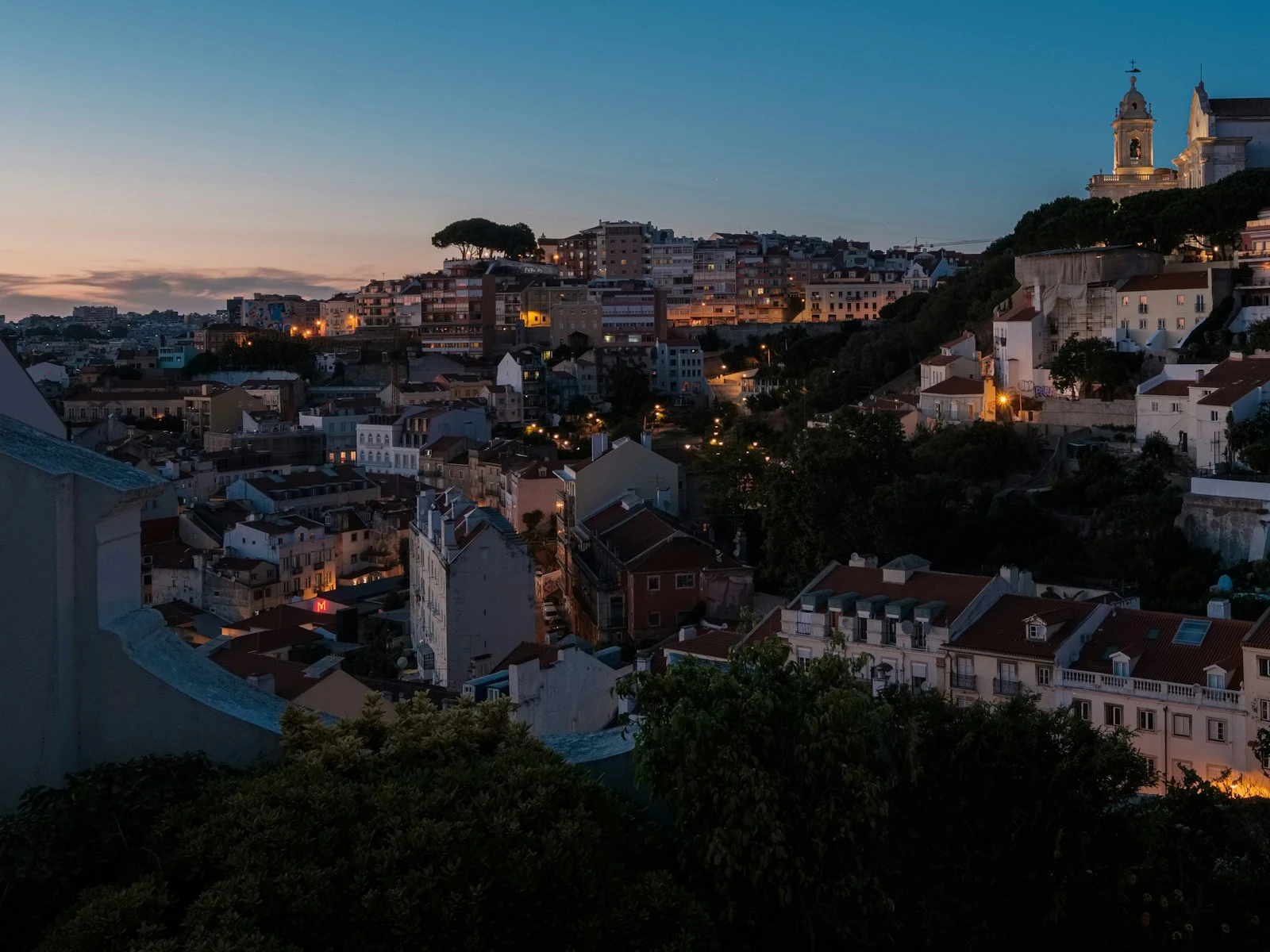
Light at the horizon. Even with overcast, the horizon may be brighter, especially near sunrise or sunset. This can provide directional light even under clouds.
After rain. Wet surfaces reflect light, adding contrast and interest while colors saturate. The post-rain period can be more photogenic than before.
Don't pack up just because it's cloudy. Stay alert to conditions, and be ready when they change.
The Mindset Shift
Photographers who consider overcast "bad light" are missing opportunities. The light is simply different.
Sunny days are good for: drama, silhouettes, strong shadows, graphic compositions, landscapes with definition.
Overcast days are good for: portraits, forests, details, textures, waterfalls, colors, even illumination.
Both are tools, and the skilled photographer knows what each does well and chooses subjects accordingly.
Next time you wake up to grey skies, don't be disappointed. Think: what does soft light do well? Then go photograph that.
Key Takeaways
- Overcast skies create soft, even, wrapping light that is universally flattering for portraits, macro, and any subject where harsh shadows would be distracting.
- Exclude boring gray sky from your compositions by shooting tighter or using foreground elements, since overcast sky adds nothing visually.
- Boost Vibrance slightly in editing to compensate for the muted colors that flat, diffused light can produce.
- Use overcast days for detail-focused work like macro, product, and portrait photography where the soft light shows texture without harsh highlights.
More in This Guide
Continue exploring lighting techniques.