Auto mode is comfortable. You point, you shoot, you get reasonable results. The camera handles the technical stuff, freeing you to focus on the moment.
So why do experienced photographers mostly avoid it?
Auto mode often produces perfectly acceptable photos. The tradeoff is control over the visual decisions that determine how your photos actually look.
Understanding these trade-offs helps you decide when auto makes sense and when it's holding you back from the images you want to create. It's one of the first topics we cover in our common mistakes guide. This article covers aperture, shutter speed, ISO, white balance, and depth of field. If those terms are new, the photography glossary is a good place to look them up as you read.
What Auto Mode Actually Does
When you select auto mode, you're handing the camera a set of decisions that significantly affect your image.
Aperture
The camera chooses how wide to open the lens. This determines depth of field, the range of distances that appear sharp.
A wide aperture (f/1.8) creates shallow depth of field: your subject sharp against a blurry background. A narrow aperture (f/11) creates deep depth of field: most or all of the scene sharp.
In auto mode, the camera doesn't know if you want a dreamy portrait with creamy bokeh or a landscape sharp from foreground to horizon. It picks something middle-of-the-road that might not serve either intent.
Shutter Speed
The camera selects how long the sensor captures light. This determines how motion appears.
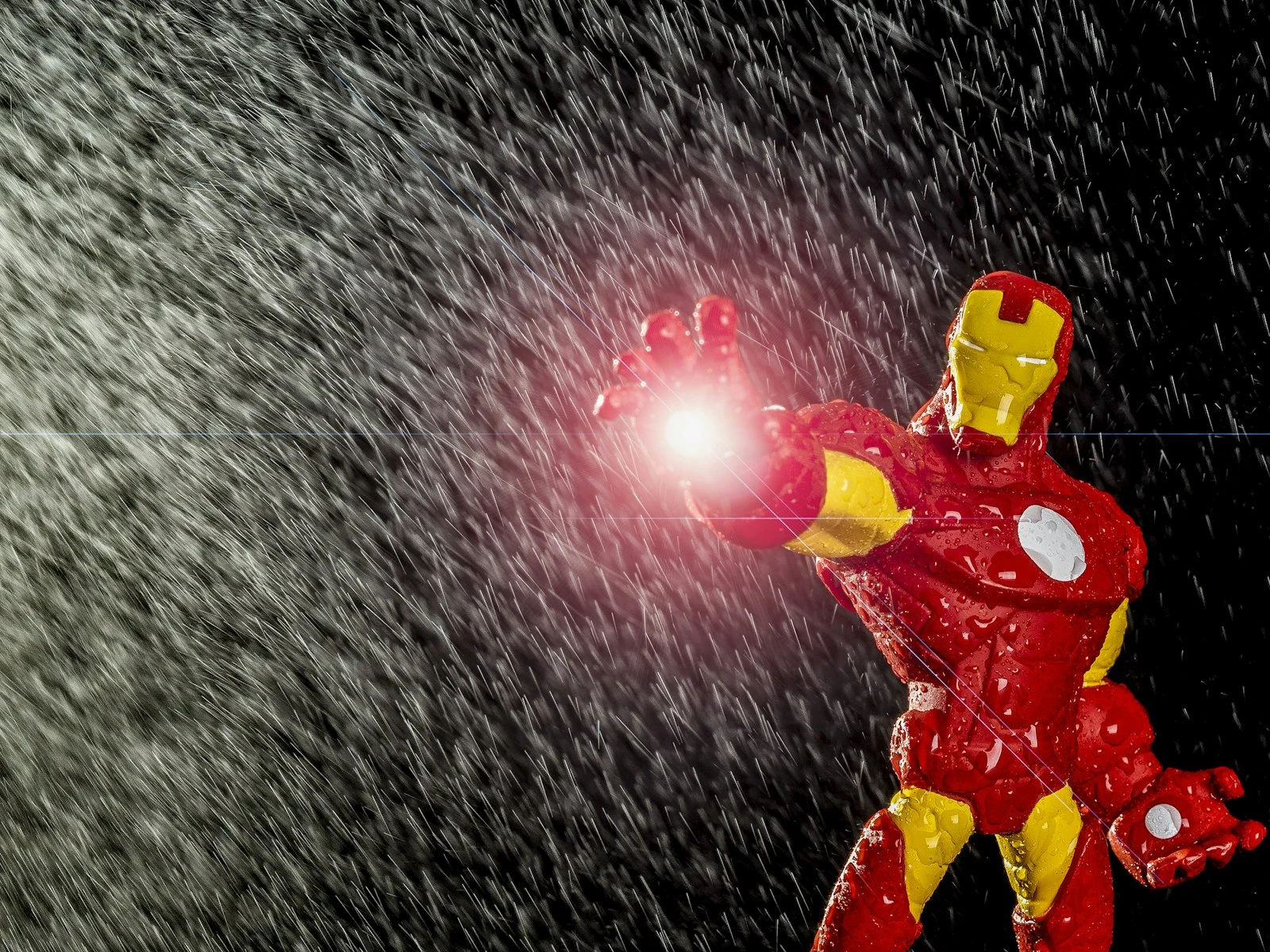
A fast shutter speed (1/2000s) freezes action: water droplets suspended, athletes mid-leap. A slow shutter (1/15s) shows motion: flowing water, moving lights.
In auto mode, the camera tries to avoid blur. It doesn't know you wanted to show the blur of a spinning dancer or freeze a hummingbird's wings. It picks whatever prevents camera shake, which often prevents creative motion effects too.
ISO
The camera raises the gain on the image signal. Higher ISO enables shooting in darker conditions but introduces noise.
In auto mode, the camera raises ISO when needed without knowing your tolerance for noise versus your need for low light capability. It might choose settings that produce more noise than you'd accept, or refuse to go high enough for the shot you want.
Focus Point
The camera decides what to focus on. Modern systems are sophisticated, but they still don't know your intent.
Auto area focus often picks whatever is closest or most contrasty. In a scene with multiple subjects at different distances, the camera might focus on the wrong one entirely.
Flash
In full auto, the camera decides whether to fire flash. It might pop flash in situations where you want ambient atmosphere, or refuse to fire when you actually need fill.
White Balance
The camera guesses the color temperature of the scene. It usually does reasonably well, but it can be fooled by unusual lighting or scenes dominated by a single color.
The Core Problem: The Camera Doesn't Know Your Intent
Every one of these decisions involves tradeoffs, because the right aperture, shutter speed, or ISO depends entirely on what you're trying to achieve.
And the camera can't know what you're trying to achieve.
A portrait photographer and a street photographer could stand in the same light, facing the same subject, wanting completely different images. The portrait photographer might want wide aperture for subject isolation. The street photographer might want small aperture for deep focus. Auto mode picks one option, and it's probably not what either intended.
When you let the camera choose, you're accepting generic decisions instead of purposeful ones. The results might be acceptable, but they're rarely optimal for your specific creative vision.
What You're Missing
Creative Motion Control
Auto mode almost always avoids blur, even though blur can be beautiful.
A waterfall photographed at 1/1000s shows every droplet frozen. The same waterfall at 1/4s shows silky flowing water. Both are valid; they convey completely different feelings.
Panning with a moving subject creates a sharp subject against a motion-blurred background, conveying speed dramatically, and auto mode simply can't do this.
Light trails from cars at night, star trails in long exposures, the soft blur of crowds moving through a space, these all require intentionally slow shutter speeds that auto mode avoids.
Depth of Field Control
One of the most powerful creative tools in photography is controlling what's sharp and what's blurred.
Shallow depth of field directs attention, simplifies busy backgrounds, and creates a three-dimensional quality that makes subjects pop. Deep depth of field shows environmental context and keeps everything visible.
Auto mode tends toward middle apertures that don't fully commit to either approach. You get acceptable depth of field but rarely the intentional choice that would make the image stronger.
Exposure for Effect
"Correct" exposure isn't always the best exposure.
Silhouettes require intentional underexposure. High-key images require intentional overexposure. Dramatic contrast requires choosing which tones to preserve and which to sacrifice.
Auto mode aims for technically neutral exposure. It doesn't know you want to underexpose to preserve mood, or overexpose to create airy brightness.
Low Light Capability
Auto mode tends to be conservative about high ISO because it's trying to produce technically clean images.
But sometimes you need to push ISO higher than auto allows to get the shot at all. A noisy photo of an important moment is infinitely better than no photo because auto mode wouldn't raise ISO enough.
Flash Control
Auto flash decisions are almost always wrong for creative work.
In scenes with atmospheric ambient light (candles, sunset, dimly lit interiors), flash destroys the mood. Auto mode doesn't know you wanted that mood.
In scenes where fill flash would balance harsh shadows, auto mode might not fire because there's "enough" light. It doesn't know you wanted softer shadows.
When Auto Mode Makes Sense
Auto mode does have legitimate uses.
True Snapshots
When documentation matters more than artistry, auto works fine for things like photographing a whiteboard, recording a license plate, or documenting something for insurance purposes.
If the only goal is capturing information rather than creating an image, auto delivers.
Chaotic Situations
When things are happening too fast to think about settings, auto provides a baseline that captures something.
If a once-in-a-lifetime moment is happening right now and you have no time to adjust settings, auto is better than missing the shot.
Learning One Thing at a Time
When you're brand new and trying to learn composition, auto lets you focus on framing without worrying about settings.
This is temporary scaffolding since you'll eventually need to learn settings too, but reducing cognitive load while learning something else is reasonable.
Handing the Camera to Non-Photographers
When someone else will be using your camera for a quick shot, auto provides good-enough results without explanation.
Moving Beyond Auto
The path from auto mode to full creative control is gradual.
Start with Aperture Priority
Aperture priority (A or Av on your dial) lets you choose aperture while the camera handles shutter speed.
This is the single most impactful change you can make. Depth of field is the most visible creative variable in most photography. Controlling it transforms your images.
Learn what different apertures do by shooting the same scene at f/2, f/5.6, and f/11, seeing the difference, and choosing the aperture that serves your intent. A depth of field can show you how aperture changes affect the zone of sharpness.
Then Consider Shutter Priority
Shutter priority (S or Tv) lets you choose shutter speed while the camera handles aperture.
Use this when motion matters. Want to freeze action? Set fast shutter. Want motion blur? Set slow shutter. Want panning blur? Set something in between.
ISO Matters Too
Many cameras have auto ISO that works within aperture or shutter priority modes.
Eventually, taking control of ISO gives you complete exposure control. You decide the tradeoff between noise tolerance and other settings.
Manual When It Makes Sense
Full manual control isn't always necessary, and professionals use aperture priority regularly. The goal is choosing the right mode for each situation.
Manual makes most sense when lighting is consistent and you want complete predictability. Studio work, consistent outdoor conditions, situations where you've dialed in settings and don't want the camera second-guessing you.
The Mindset Shift
The deeper issue is about who's making the decisions.
In auto mode, you're accepting the camera's vision. In priority modes and manual, you're imposing yours.
This is about intentionality. Good photographs are made by people who know what they want and use tools to achieve it, while generic photographs are made by people who accept whatever tools produce by default.
Learning to use priority modes and manual is learning to have intentions and execute them. The camera becomes a tool that serves your vision rather than a machine that produces its own.
The Learning Curve Is Real
This won't happen overnight, and when you first leave auto, you'll make mistakes. Exposures will be wrong. You'll miss shots while fumbling with settings. You'll produce worse photos for a while.
This is normal and necessary, because you're learning a skill that takes practice. The temporary regression is the price of future capability.
Keep shooting, keep making mistakes, and keep adjusting, because within weeks the basics become automatic. Within months, you'll wonder why you ever let the camera decide.
Key Takeaways
- Auto mode makes safe, middle-of-the-road decisions about aperture, shutter speed, and ISO without knowing your creative intent.
- Start transitioning to aperture priority, which lets you control depth of field while the camera still handles shutter speed automatically.
- Auto mode frequently underexposes in low light because it avoids pushing ISO high enough, resulting in dark images or motion blur.
- Understanding what the camera decides in auto mode helps you recognize when manual control would produce the image you actually wanted.
More in This Guide
Continue exploring common mistakes.