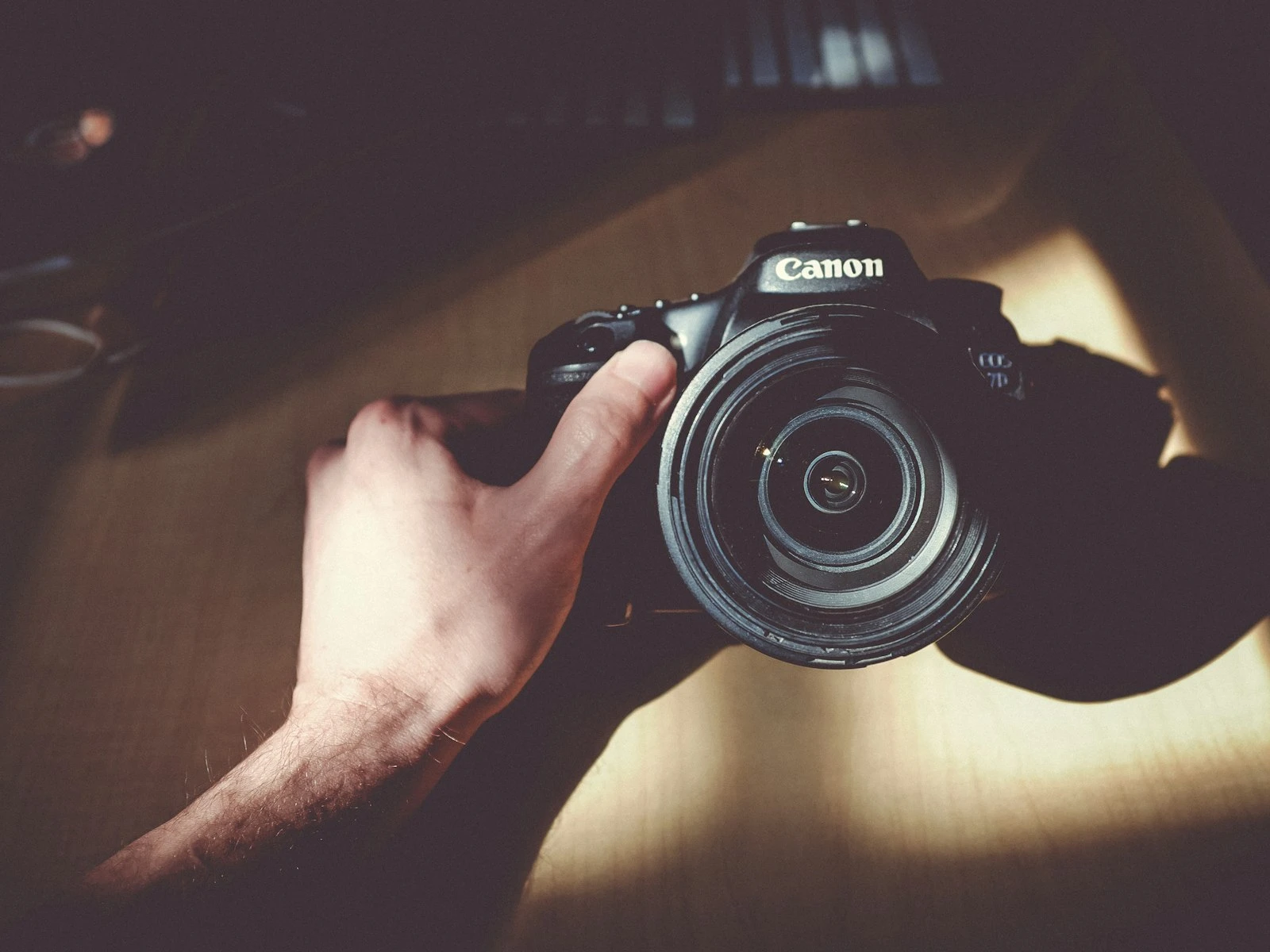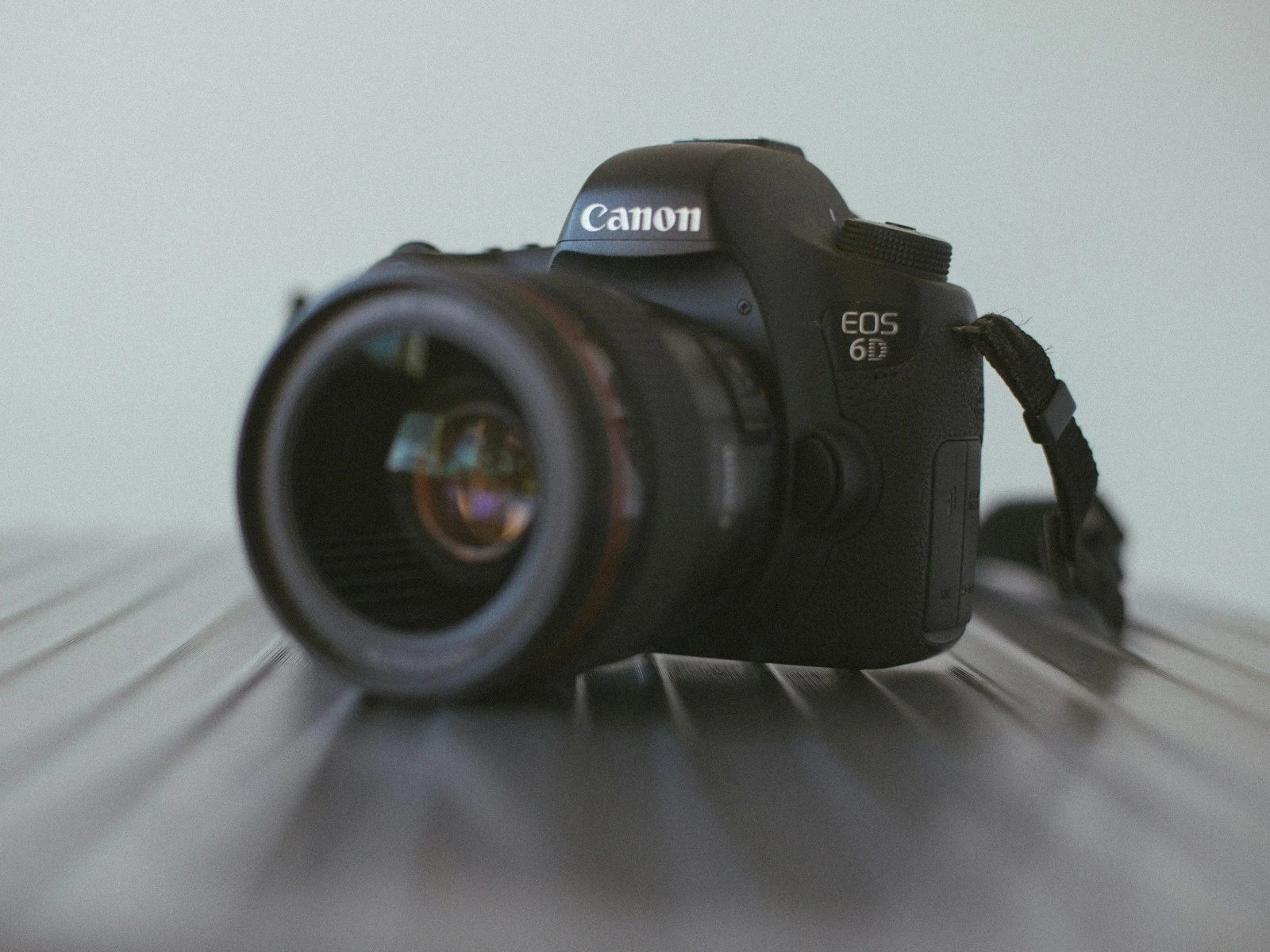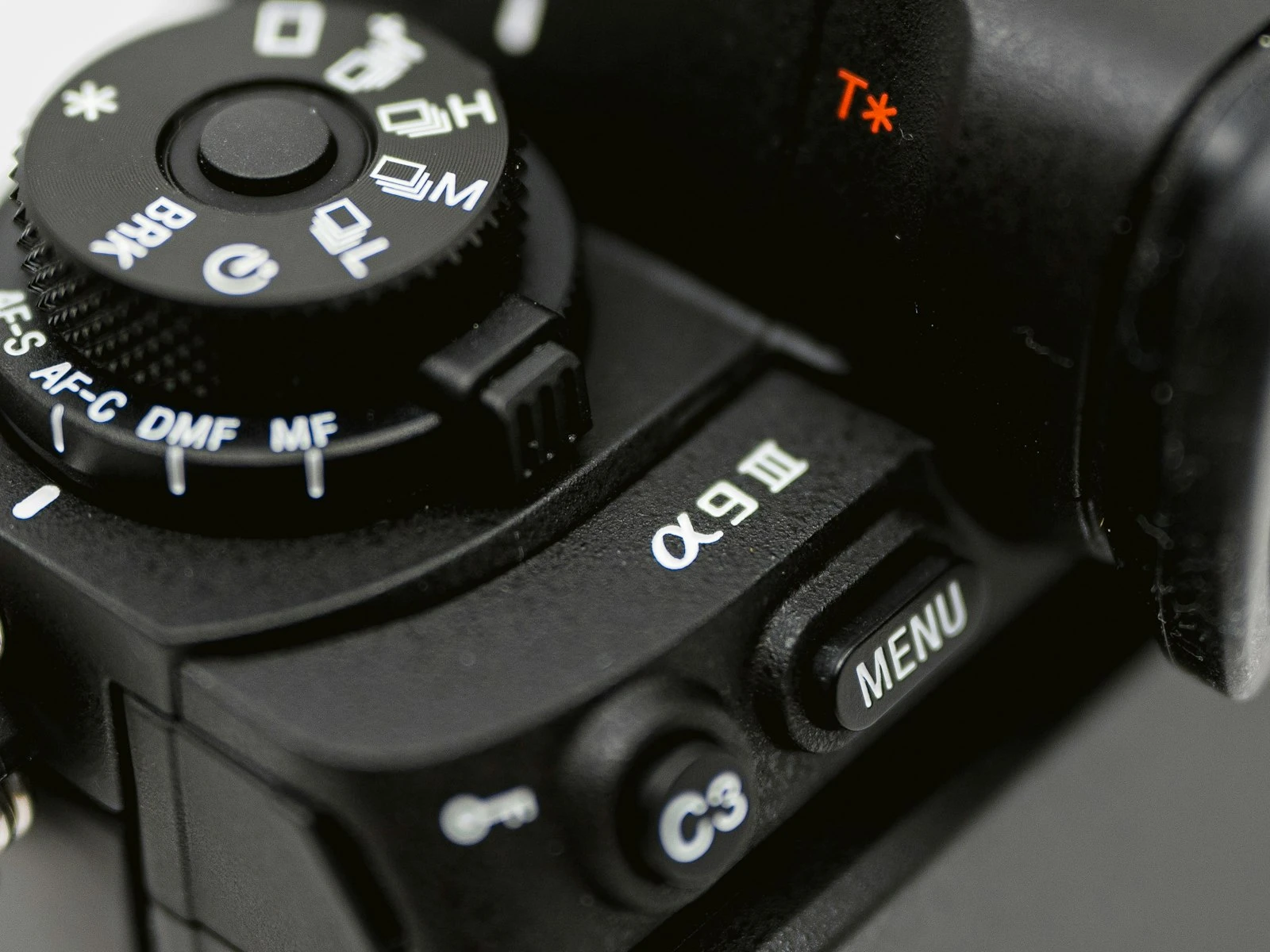
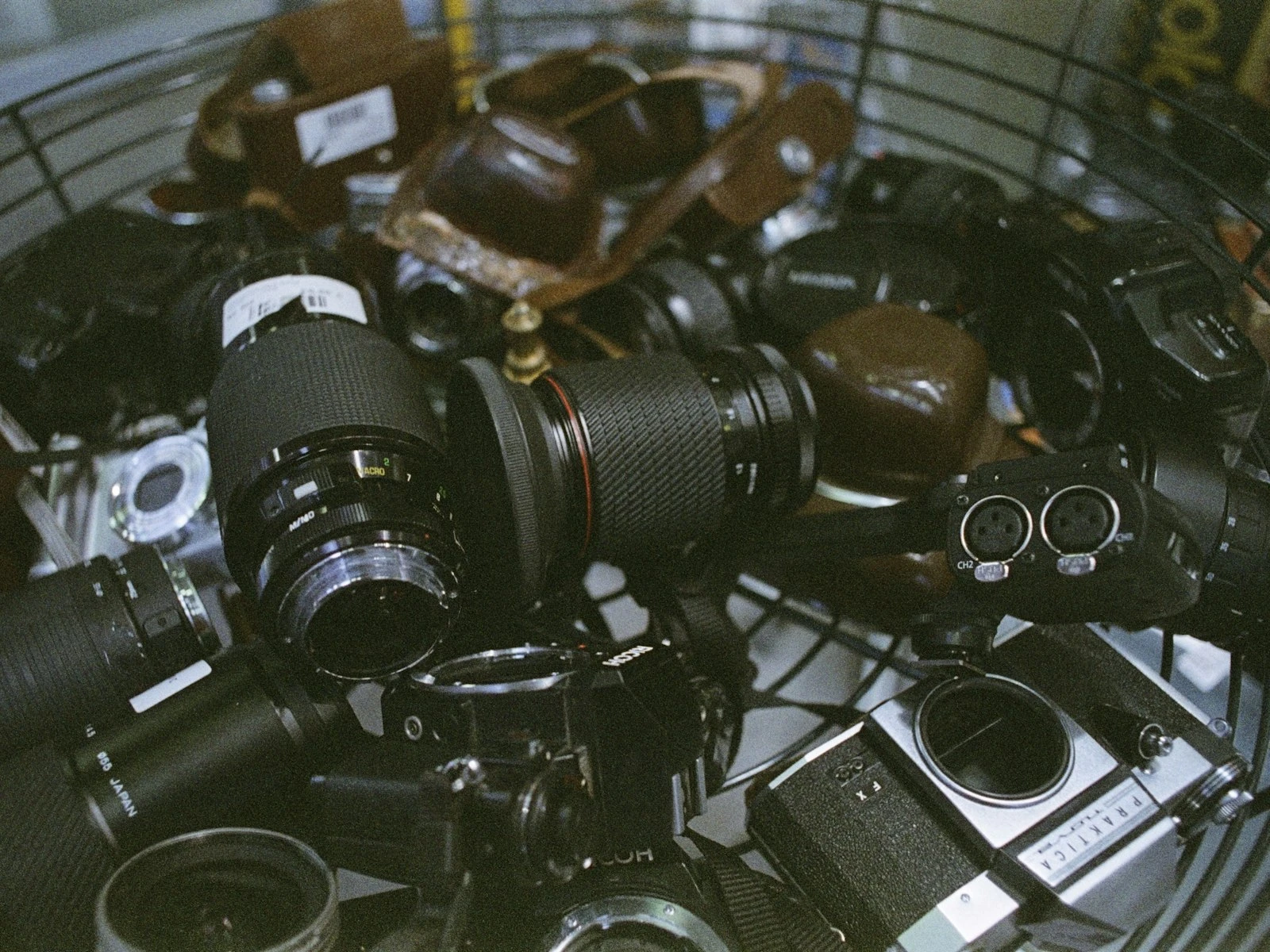
There's a pattern so common in photography it's almost universal. A photographer gets stuck, their images stop improving, and they look at their work, look at work they admire, and think the difference must be equipment.
So they buy a new lens, a better camera body, lighting gear, and accessories. The new equipment arrives, brings a brief burst of excitement and experimentation, and then the same plateau with different gear but the same results.
This is the gear trap, and escaping it is one of the most important steps in actually improving as a photographer. It's a topic we take seriously in our common mistakes guide.
The Logic That Feels Right
The gear trap isn't irrational. It follows a logical chain that makes intuitive sense.
Professional photographers use professional equipment. Professional photos look better than your photos. Therefore, professional equipment must be part of what makes photos better.
And that last part isn't entirely wrong. Equipment does matter. A fast lens can produce shallow depth of field a kit lens can't. A full-frame sensor handles low light better than a smaller sensor. Quality glass is sharper.
The trap is in the proportions. New photographers typically overestimate how much gear matters and underestimate how much skill, vision, and practice matter.
The difference between a $1,000 camera setup and a $5,000 setup might account for 5-10% of image quality in most situations, while the difference between a beginner's skills and an experienced photographer's skills accounts for the other 90-95%.
But upgrading gear feels actionable, while learning skills feels vague and slow, so we buy things.
How More Gear Actually Hurts
Beyond the wasted money and misplaced focus, additional gear can actively make your photography worse.
Decision Fatigue
Every piece of equipment you own is a decision you have to make before shooting.
With one camera and one lens, you grab it and go, but with three camera bodies and twelve lenses, you're spending mental energy deciding what to bring, what to use, and when to switch.
This might seem trivial, but it adds up. Mental energy spent on gear decisions is mental energy not spent on seeing, composing, being present.
Many photographers find they shoot better on trips where they deliberately limited themselves to one body and one or two lenses. The constraint freed them to focus on what mattered: the images.
Complexity Overwhelm
More gear means more to learn, more to master, more to remember.
When you're thinking about whether to switch lenses, you're not thinking about light. When you're figuring out your flash settings, you're not noticing the moment unfolding. When you're worried about using all your gear to justify owning it, you're not being fully present.
Photography at its best is a flow state, and complexity interrupts that flow.
The Crutch Effect
Sometimes gear becomes a substitute for skill development.
For a dark scene, you buy a faster lens rather than learning to work with available light creatively. For blurry shots, you get stabilization rather than developing steady technique. For boring photos, you get a more dramatic lens rather than working on composition.
None of these gear solutions are wrong. But if gear is always the answer, skills never develop. You become dependent on equipment that compensates for abilities you never built.
Always Chasing
The gear industry runs on dissatisfaction, with something newer, better, and faster always on the horizon.
If you've tied your photographic happiness to having the right equipment, you'll never have the right equipment for long. Something better will always be on the horizon. You'll always be waiting for the next thing rather than mastering what you have.
This isn't hypothetical. Many photographers spend years in this cycle, always about to get the camera that will finally let them take the photos they want.
What Actually Makes Photos Better
If gear improvements account for 5-10%, what accounts for the rest?
Seeing
The most important skill in photography is seeing photographically, noticing light, recognizing moments, finding compositions, being aware of what's happening around you.
This skill develops through practice and attention, can't be purchased, and matters far more than any equipment.
A photographer with a developed eye and a basic camera will consistently outshoot a photographer with an untrained eye and professional gear. Even phone photography can produce compelling results when the fundamentals are strong.
Understanding Light
Light is the raw material of photography. Understanding how light behaves, how to find good light, how to position yourself and subjects within light, makes an enormous difference.
This understanding takes time and practice. It means paying attention to light even when you're not shooting. It means shooting in many different lighting conditions and observing what works.
A photographer who deeply understands light will make better images with a phone than a photographer who doesn't understand light will make with any camera.
Composition
How you arrange elements in the frame determines whether an image works. Strong composition can make ordinary scenes compelling. Weak composition can ruin extraordinary ones.
Composition improves through study, practice, and critique. Looking at great photographs and understanding why they work. Shooting lots and analyzing what did and didn't succeed.
Technical Mastery of What You Have
Understanding your current camera deeply is far more valuable than superficially knowing many cameras.
Knowing exactly how your autofocus behaves. Understanding the limits of your sensor's dynamic range. Being able to adjust settings without looking, without thinking. This kind of mastery lets you concentrate on the image rather than the tool.
It takes time with one camera to develop this. Constantly switching gear means constantly restarting this learning process.
Experience
There's no substitute for shooting lots. Every shoot teaches something. Patterns emerge over thousands of images that aren't visible after hundreds.
Experience means you've seen situations before. You know what tends to work. You've made the mistakes and learned from them. You react faster, see more, know what to prioritize.
The Constraints Paradox
Constraints often improve creativity, even though that seems counterintuitive.
When you have every option, you have to decide among many possibilities. When you have limited options, you work within what's available. That working-within leads to creative solutions you wouldn't have found otherwise.
Photographers often do their best work when limited to one lens for a year, a single focal length, or a camera with fewer features, because these constraints focus attention and force creativity.
This is well documented across creative fields, where arbitrary constraints lead to creative breakthroughs by eliminating the paralysis of infinite choice.
The One Lens Challenge
A classic exercise is to shoot with a single prime lens for an extended period, with no zooming and no switching.
At first, it's frustrating. Shots you'd normally get are impossible. Scenes that want a wider view or tighter crop can't be captured the way you envision.
But then something shifts. You start seeing in that focal length. You move instead of zoom. You find compositions you wouldn't have noticed. You work harder for each image because you can't just switch lenses to solve problems.
Photographers who do this exercise often report it improved their work more than any gear upgrade.
Phone Photography
Some photographers, even professionals, regularly shoot with phones.
Phones have enormous limitations with small sensors, limited controls, and fixed lenses, but within those limitations, they force focus on fundamentals like light, moment, and composition.
If you can make a compelling image with a phone, you understand the fundamentals, and the camera becomes almost irrelevant.
When Gear Actually Matters
Gear does matter in specific situations.
Specialized Requirements
Some shots require specific equipment. You can't photograph birds without a long telephoto. You can't photograph architecture without a tilt-shift lens. You can't do macro without macro capability.
If your goals require specific tools, you need those tools. That's different from general "better camera = better photos" thinking.
Working at the Limits
Gear differences show up most at the limits of capability.
A better sensor matters when shooting in very low light, frames per second matters for rapid continuous shooting, resolution matters when printing huge, and autofocus performance matters for fast action.
If you're regularly hitting the limits of what your gear can do, upgrades might be appropriate.
Professional Requirements
Professionals have gear requirements that hobbyists don't. Reliability becomes critical when you can't reshoot. Dual card slots matter when failure means losing a client's wedding. Backup bodies are essential when equipment failure isn't an option.
These are about professional reliability rather than image quality.
Genuine Capability Gaps
Sometimes gear genuinely limits what you can do. A slow kit lens can't produce the shallow depth of field a fast prime can. An APS-C sensor can't match full-frame low light performance.
If you've genuinely maxed out your current capabilities and a specific upgrade would unlock specific new possibilities, that's a reasonable upgrade.
The key is being specific about what exactly you can't do and what exactly the upgrade would enable, because if you can't answer those questions clearly, it might not be a genuine capability gap.
How to Escape the Gear Trap
If you recognize yourself in the gear trap, here's how to escape.
Impose a Moratorium
Stop buying gear for a set period, whether six months or a year, whatever feels challenging but doable.
Use this time to master what you have. Shoot extensively. Learn every feature of your current camera. Push against its limits deliberately.
When the moratorium ends, you'll have a much better sense of what you actually need versus what you thought you wanted.
Define Specific Needs
Before any purchase, articulate the specific problem you're solving.
"I want better photos" isn't specific. "I shoot events in dim venues and need to maintain fast shutter speeds without excessive noise" is specific. One can be evaluated objectively; the other can't.
Master Before Upgrading
A good rule is to avoid upgrading until you've thoroughly mastered what you have.
Can you shoot your current camera without looking at controls? Do you understand its autofocus system completely? Have you explored its full capabilities?
If not, upgrading is premature. Master the current tool first.
Focus on Images, Not Equipment
Change what you pay attention to by replacing gear reviews and equipment forums with looking at photographs, studying work you admire, analyzing what makes it work, and considering how you could apply those lessons.
The photographers you admire are admired for their images, not their gear lists.
Set a One-In-One-Out Rule
If you must acquire gear, maintain a fixed inventory where something comes in only when something goes out.
This forces evaluation. Is this new item valuable enough to replace something you already own? Usually, the answer is no, which prevents accumulation.
A Different Relationship With Gear
The goal is a healthy relationship with equipment where gear serves your vision rather than driving it.
Good gear is gear you know intimately and use effectively. It disappears in your hands, becoming an extension of your intention rather than a thing you're operating.
This intimate, effective relationship is more likely with less gear that you use constantly than more gear that you use occasionally.
The photographers doing the best work are rarely the ones with the most equipment. They're the ones who've chosen thoughtfully, mastered completely, and focused on the images rather than the tools.
Key Takeaways
- Skill, vision, and practice account for roughly 90-95% of image quality, while equipment upgrades account for the remaining 5-10% in most situations.
- Before buying new gear, identify the specific problem you are trying to solve and verify that it is actually a gear limitation rather than a skill gap.
- Constraints breed creativity; working with limited equipment forces you to develop stronger compositional and lighting skills.
- Invest time in practice shoots, photo analysis, and deliberate learning before investing money in upgrades.
More in This Guide
Continue exploring common mistakes.