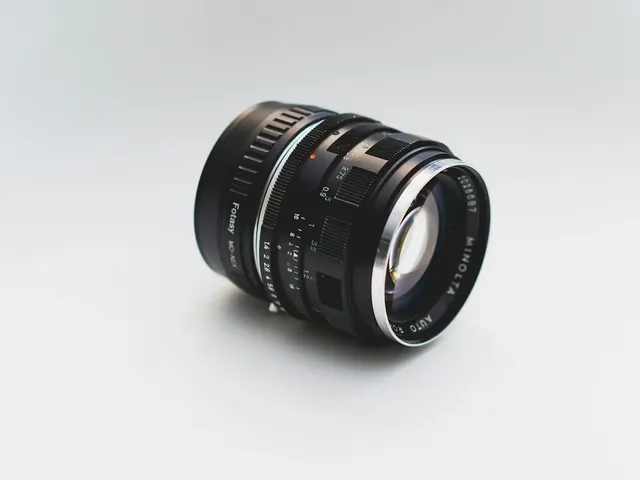
The lens decides more about how a photo looks than almost anything else on your camera. It sets how much of the scene you take in, how big the subject appears, how much light reaches the sensor, and how soft or sharp the background turns out.
Two photographers with identical cameras and different lenses will come home with very different pictures from the same walk.
Yet most people learn about lenses backward. They start with product names, reviews, and spec sheets, and they never quite get to the handful of ideas that explain every lens ever made. There are really only four of them.
- Focal length frames the view.
- Your position shapes the perspective.
- The f-number controls light and blur.
- Sensor size changes how all of those numbers translate into a picture.
Understand those four ideas and every lens listing becomes readable. The lenses you already own get more useful, and buying decisions get much easier.
This guide covers those ideas from the ground up. It uses focal lengths and lens types rather than specific models, so the advice works on any camera system and stays true no matter what's new on the shelf.
Focal Length Frames, Your Feet Shape
The number in millimeters on a lens is its focal length, and its job is simple. A short focal length like 16mm or 24mm takes in a wide view and makes things look small. A long focal length like 200mm takes in a narrow slice and makes distant things look big.
Double the focal length and subjects appear roughly twice as large. Focal length explained walks through the same scene at six focal lengths from one spot, so you can see the difference instead of imagining it.
What surprises most people is what focal length doesn't do. It doesn't change perspective. The way a nose relates to the ears in a portrait, or a mountain relates to the hiker standing in front of it, depends entirely on where you stand.
A wide lens seems to stretch faces only because it lets you stand close. A telephoto seems to compress backgrounds only because it lets you stand far away. Choose your position first to set the perspective, then choose the focal length that frames the view from there.
That one habit, deciding where to stand before you decide how far to zoom, improves more photos than any lens purchase. If you want to plan it before you go out, the focal length and distance calculator tells you how far to stand for any framing, and the field of view comparison tool shows any two focal lengths side by side.
Light, Blur, and the F-Number
Every lens name includes an f-number, like f/1.8 or f/3.5-5.6. It's the widest aperture the lens can open to, and it does two jobs at once.
- It controls light. A wider aperture lets in more light, which means faster shutter speeds and lower ISO in dim conditions.
- It controls blur. A wider aperture also produces shallower depth of field, which is how photographers blur busy backgrounds into soft color.
The gap between lenses here is large. A typical kit zoom at its long end opens to f/5.6, while an affordable fast prime opens to f/1.8. That's about three stops, or roughly eight to ten times as much light, and it's the difference between a blurry evening photo of a child and a sharp one.
It's also why a small, inexpensive prime is so often the first lens people add. The aperture guide explains f-numbers in depth, and the depth of field guide covers every factor that controls how much of the scene is sharp.
Sensor Size Changes the Math
The same lens behaves differently on different cameras. A 50mm lens on a full-frame camera gives a natural, normal view. Put it on a camera with a smaller APS-C sensor and it frames like a 75mm lens would on full frame. On Micro Four Thirds, it frames like a 100mm.
The lens itself hasn't changed at all. The smaller sensor simply records a smaller part of its image.
That's why so much lens advice comes with the phrase full-frame equivalent. Whenever you read that a certain focal length is ideal for portraits, landscapes, or street photography, check which sensor size the advice assumes, then translate it to yours. The crop factor calculator does the conversion instantly for any sensor and lens.
A Learning Path Through This Guide
The articles in this guide are written to be read roughly in this order, though each one stands alone if a specific question brought you here.
Start with focal length explained, the foundation for everything else. It shows what the millimeters actually measure, how the common ranges from ultra-wide to super telephoto look, and why zooming and walking closer produce different photos.
The Gear Reality Check
Lenses are where the urge to buy hits hardest. There's always a faster prime, a longer zoom, or a sharper version of the lens you already have, and it's easy to believe the next one will finally make your photos look the way you want.
Sometimes a new lens really will do that. A fast prime genuinely fixes blurry indoor photos, and a telephoto zoom genuinely gets you closer to a distant soccer game. When a lens solves a specific problem you can name, it's a good purchase.
But many lens frustrations are really technique frustrations in disguise. Soft photos are more often missed focus or a slow shutter speed than poor glass. Flat, empty landscapes are more often a composition problem than a focal length problem. The gear trap article explains why more equipment so often leads to the same photos, just heavier.
A good rule for this whole guide is to learn what your current lens can do before replacing it. Most kit lenses are capable of far more than their owners ask of them, and the skills you build working within their limits carry over to every lens you'll ever own.
Putting Lens Knowledge to Work
Understanding lenses pays off everywhere else on the site.
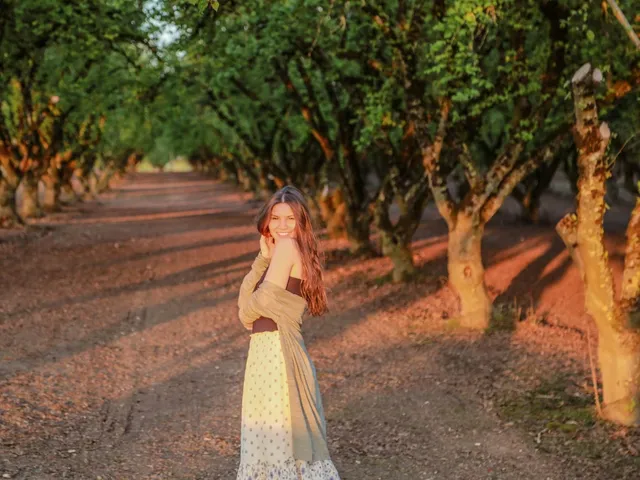
- Portrait photographers use it to choose focal lengths and distances that flatter faces, which the faces at different focal lengths article shows in detail.
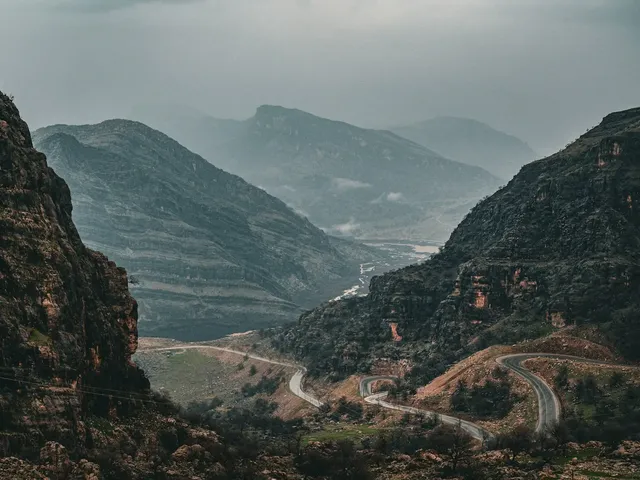
- Landscape photographers use it to decide between a wide view that celebrates the foreground and a telephoto view that stacks distant ridges.
- Anyone shooting handheld uses it to pick a safe shutter speed, since longer focal lengths magnify camera shake, as the guide to shutter speed for sharp handheld photos explains.
Once you treat a lens as a set of choices, every focal length, aperture, and shooting position becomes a decision you make on purpose.