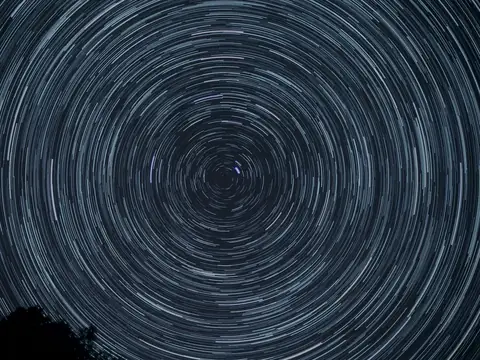
Moon Phase and Moonrise Calculator

See tonight's moon phase, how much of the Moon is lit, and exactly when it rises and sets where you are. Pick any date to find the next full moon, the nights when a bright Moon rises in twilight, and the dark nights that suit Milky Way and star photography.

Illumination
Moon Age
Distance
Moonrise
Highest Point
Moonset
Rise and set times use the top edge of the Moon on a flat sea level horizon, the same convention as the US Naval Observatory.

Moon in Twilight on This Date

Dark Sky Tonight
of moon-free astronomical darkness, out of of full darkness tonight.
The sky never gets fully dark here tonight (the sun stays above -18°).

Next Moon Phases

Percent lit at 9 pm local time Dark night (the Moon is down for most of astronomical darkness)

Bright Moon on the Horizon in Twilight

Dates in the next two months when a Moon at least 80% lit sits low on the horizon while the sky still has color. These are the nights for a big Moon over a skyline or a ridge.

Date Direction Timing Lit
No twilight dates in the next two months at this location.

Planning Moon Photos Around the Phase and Moonrise

The Moon runs on a cycle of about 29.5 days, from new moon to full moon and back again. Each night it rises roughly 50 minutes later than the night before, though that gap can shrink to under half an hour or stretch past an hour depending on the season and your latitude.

That shifting schedule is why a calculator beats guessing. The best Moon photos depend on where the Moon sits and how bright the sky is around it, and both change every evening.

The Twilight Moonrise Window

A full Moon rising in a pitch black sky is hard to photograph well. The Moon is lit by direct sunlight, so it needs about the same exposure as a sunny afternoon, while the dark landscape under it needs many stops more. You end up with a white blob over a dark foreground or a crisp Moon over nothing.

The fix is to shoot while the sky still holds light. When the Moon rises within about an hour before sunset, it clears the horizon in golden light and the foreground stays bright enough to share one exposure with it. A rise up to about 30 minutes after sunset lands it in blue hour, which gives a cooler, moodier frame.

This usually happens on the evening of the full moon or the evening before. The calculator's twilight table finds those dates for you and shows the direction the Moon will rise, so you can line it up with a building, a tree, or a mountain.

Mornings work the same way in reverse. A full Moon setting in the west just as the sun comes up gives you the same balanced light at dawn.

Camera Settings for the Moon

The Moon is a sunlit rock, so it needs far less exposure than most people expect. The Looney 11 rule is a good starting point for a full Moon high in a dark sky.

SituationApertureShutter SpeedISO
Full Moon, dark skyf/111/125s100
Half Moonf/81/125s100 to 200
Thin crescentf/5.61/60s200 to 400
Moonrise in twilightf/81/30s to 1/4s100 to 400

In twilight, meter for the sky and foreground, then check the Moon on your histogram. If the Moon blows out, take a second frame exposed for it and blend the two.

Use the longest lens you own if you want the Moon to look big. At 600mm on full frame the Moon fills about a fifth of the frame height, while at 24mm it becomes a small dot. The Moon also moves its own width in about two minutes, so keep shutter speeds short on long lenses.

Rising and setting Moons look larger and warmer than a high Moon. The size is mostly the famous Moon illusion, but the orange color is real, because you see it through more atmosphere.

Dark Nights for Astrophotography

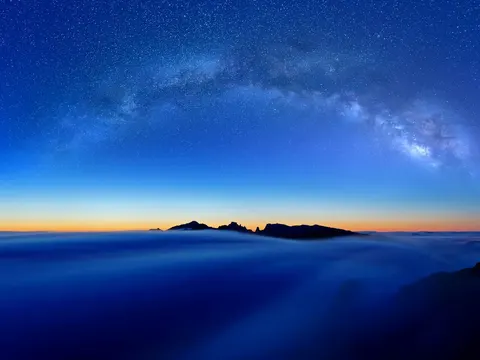
For stars and the Milky Way, the Moon is the problem. Even a half Moon lights the sky enough to bury the faint stuff. The best nights fall in the week around the new moon, when the Moon is either absent or only up during daylight.

In the month view, a blue dot marks nights when the Moon stays below the horizon for most of astronomical darkness. A waxing crescent sets early in the evening, so the late hours are dark. A waning crescent rises in the early morning, so the evening is dark.

Once you have a dark night picked out, the Milky Way Planner shows when the galactic core is up, and the star trails calculator gives your longest shutter speed before stars streak.

Shooting after dark? The Low Light and Night Photography guide covers focus, exposure, and noise for night work, and the golden hour calculator shows exactly when twilight starts and ends.

Frequently Asked Questions

Open the calculator above and it shows tonight's phase for your location, along with the percentage of the Moon that is lit, the Moon's age in days, and whether it is waxing or waning. The phase is the same everywhere on Earth at a given instant, but the date can differ across time zones, so the calculator uses your local date and time.
The Next Moon Phases panel lists the next full moon, new moon, first quarter, and last quarter with dates and times in your local time zone. Full moons come about every 29.5 days, so most months have one, and roughly every two to three years a month gets two. The exact time is the same instant worldwide, which is why the calendar date can differ between time zones.
Enter your city or use your current location and the calculator shows tonight's moonrise, moonset, and the time the Moon is highest, plus the compass direction of each. Moonrise comes about 50 minutes later each day on average. Around the full moon it rises near sunset, and around the new moon it rises near sunrise.
Because each moonrise comes later than the one before, about once a month a moonrise slips past midnight and skips a calendar day entirely. On that date the calculator shows None for moonrise. The same thing happens to moonset on a different day of the month.
The best time is when the full Moon rises while the sky still has light, usually on the evening of the full moon or the evening before. A moonrise up to an hour before sunset, or up to about 30 minutes after it, lets you expose the Moon and the landscape in one frame. The twilight table above lists those dates for your location.
A waxing Moon is growing toward full, and a waning Moon is shrinking toward new. From the Northern Hemisphere a waxing Moon is lit on the right side, while from the Southern Hemisphere it is lit on the left. A waxing Moon is in the evening sky, and a waning Moon is easiest to see after midnight and in the morning.
The new moon is best, along with a few days either side of it. A thin crescent that sets early in the evening or rises just before dawn barely affects the sky. From about first quarter through last quarter, moonlight washes out the faint stars for much of the night.
The calculator uses the lunar theory published by Jean Meeus in Astronomical Algorithms, corrected for your position on the Earth's surface. Tested against the US Naval Observatory, its moonrise, moonset, and phase times agree to within a minute. Hills, buildings, and your height above sea level can shift the time you actually see the Moon by several minutes.
MCP Server

Use these tools inside Claude, ChatGPT, or Cursor.

Every photography tool and calculator on DailyPhotoTips is also available through the DailyPhotoTips MCP server. Connect your AI assistant once and ask your photography questions in plain language.

Connect your AI assistant

Tools Are Great. Knowing When to Use Them Is Better.

Every weekday morning, you'll get a short photography lesson that makes your next shoot better. Real techniques, not theory. The kind of tips that make you wonder why nobody told you sooner.

    Join tens of thousands of photographers. It's free. Unsubscribe anytime.

    Ready to level up your photography?

    Get actionable and practical photography tips in your inbox every morning. Short reads, real results.