Flash wins on power, price, and freezing motion. Continuous light wins on one thing, and it's a big one. What you see is what you get.
That single difference drives the entire decision. A speedlight that costs less than a dinner out will outgun an LED panel costing five times as much, but you can't watch its light fall on your subject's face before you shoot. An LED panel shows you every shadow in real time, but ask it to freeze a toddler mid-run in a dim living room and it has nothing for you.
This is usually the first question photographers ask when they decide to buy a light, which is why it sits near the front of this flash guide. Below is the honest comparison, covering what each type does well, where each one falls apart, and which fits specific kinds of shooting.
What Each Option Actually Is
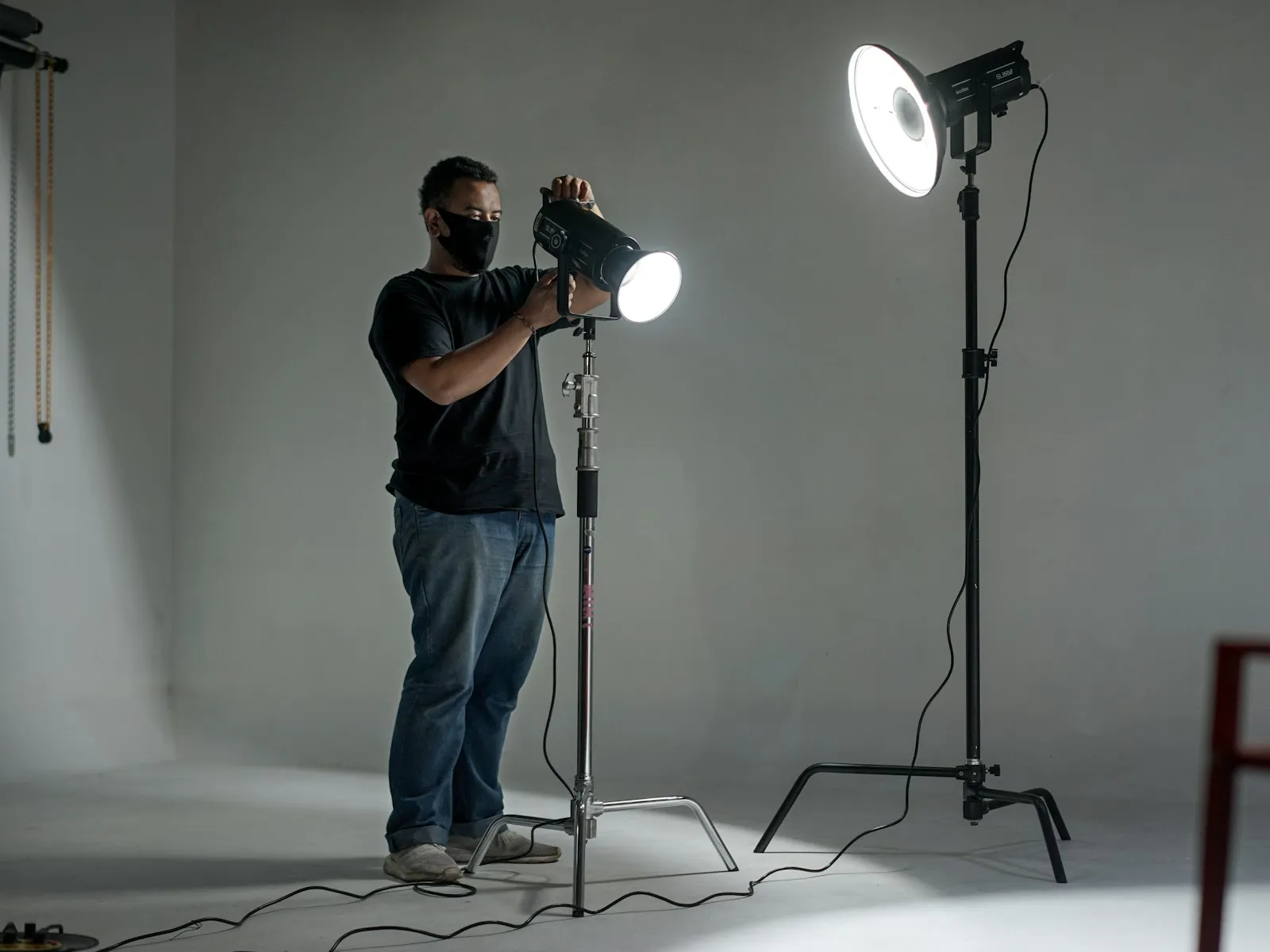
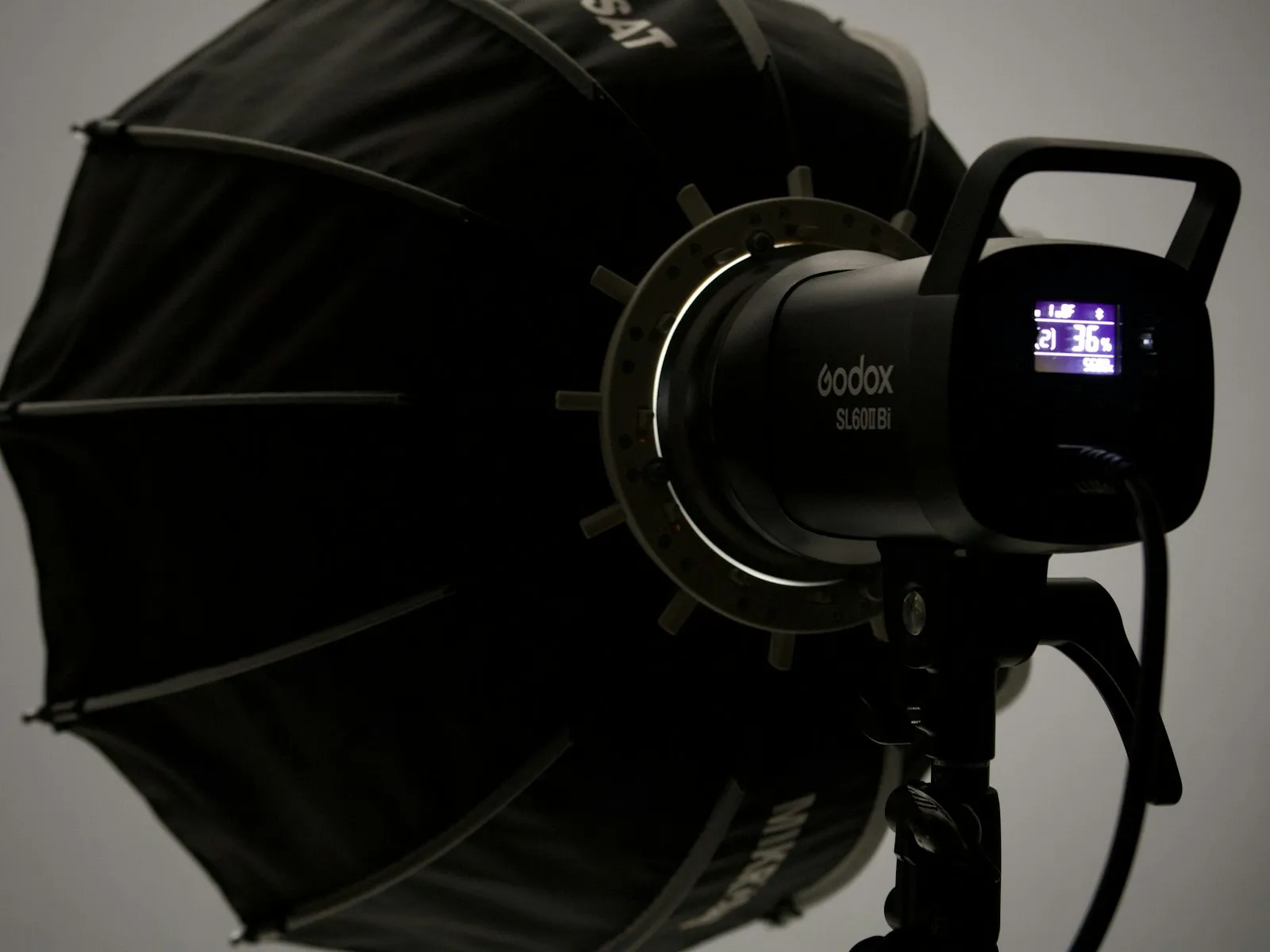
Continuous lighting is any light that stays on. LED panels, COB monolights with a constant output mode, ring lights, even the desk lamp you already own. Modern versions are almost all LED, usually dimmable, and often bi-color so you can adjust the color temperature to match window light or indoor bulbs.
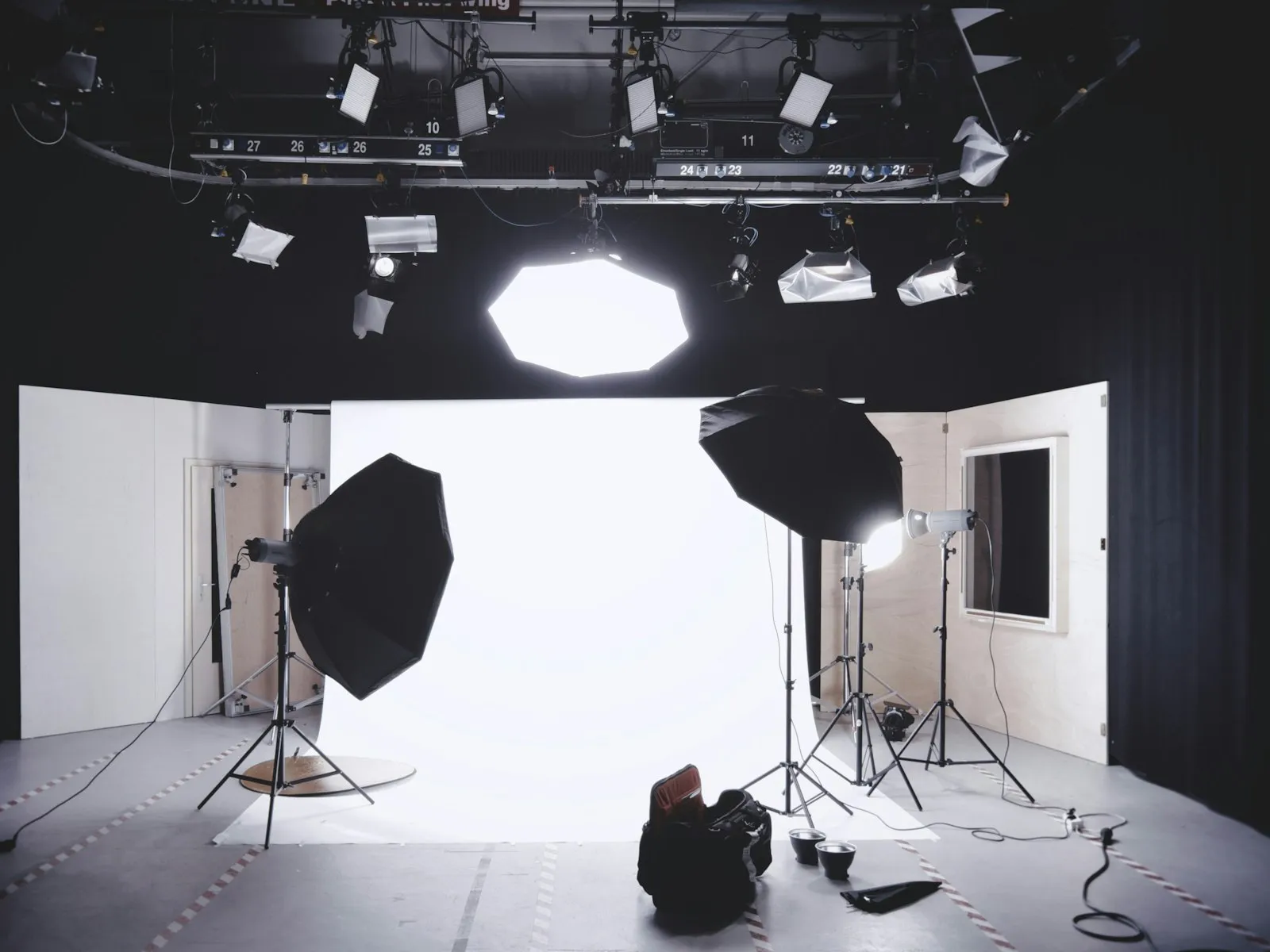
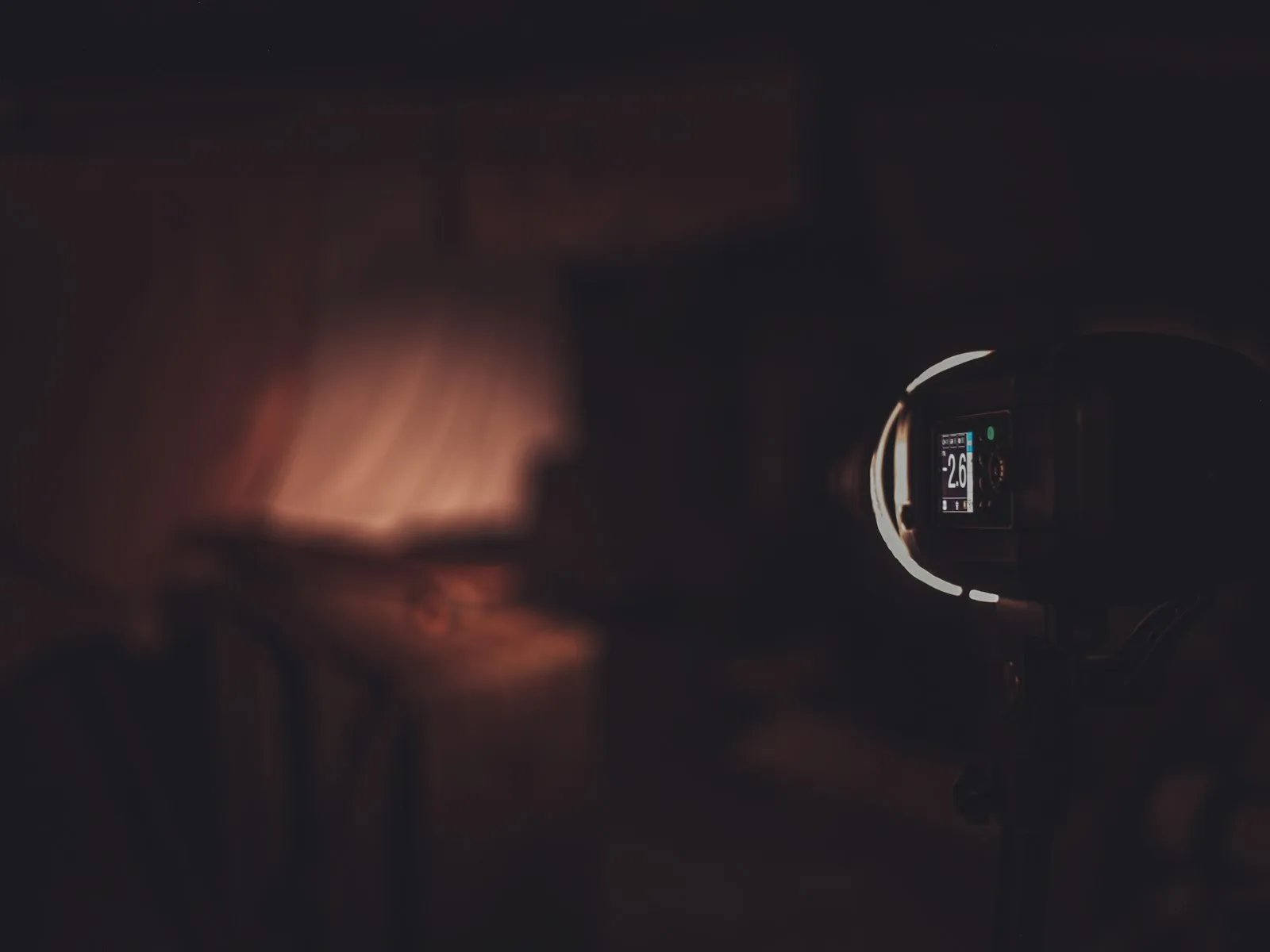
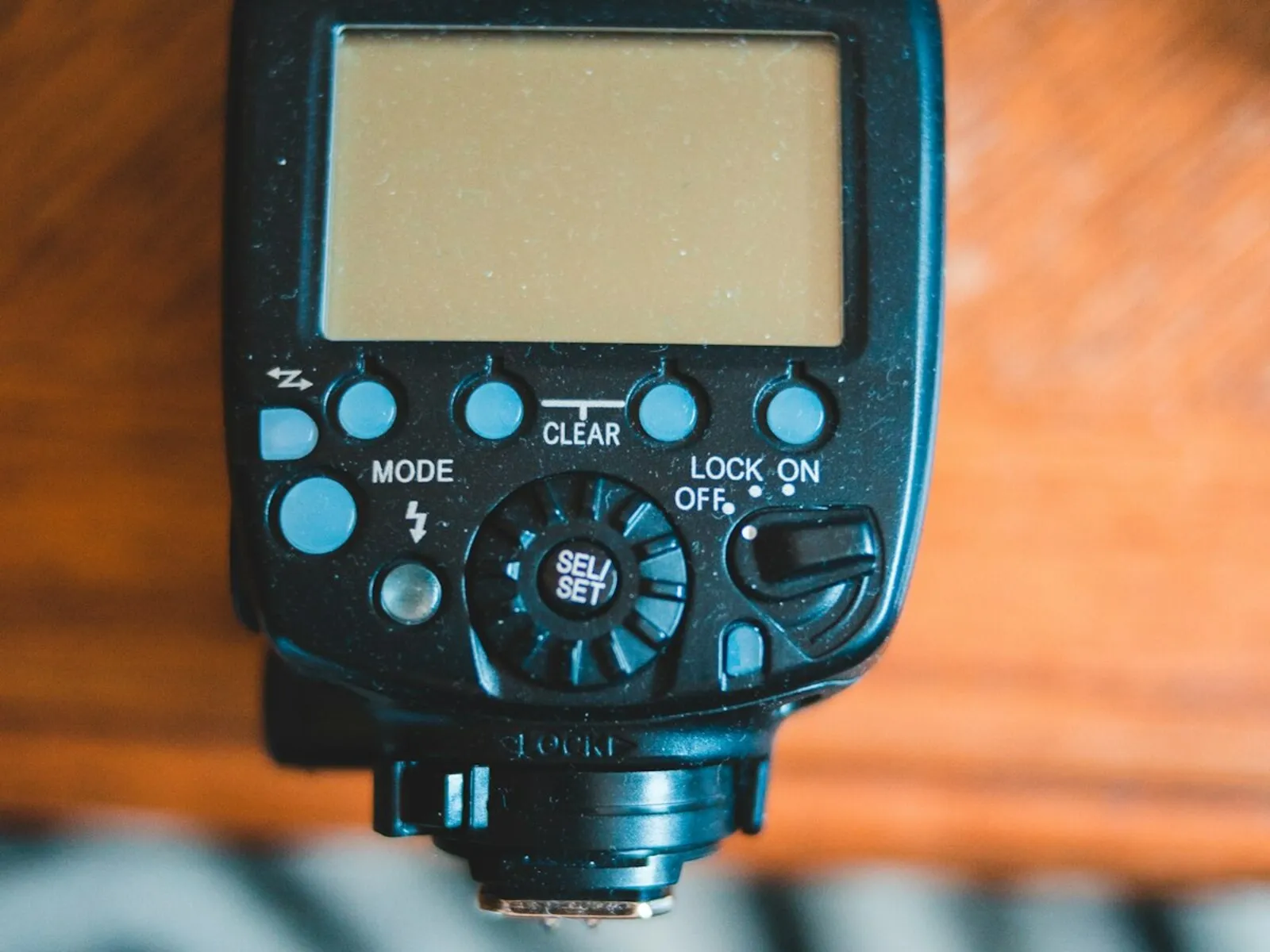
Flash stores energy in a capacitor and releases it in one brief burst. A speedlight is the small battery-powered version that fits in a jacket pocket. A studio strobe is the bigger, more powerful version. Both work the same way. Darkness, then an instant of enormous brightness, then darkness again.
Think of it as the difference between a faucet and a bucket. Continuous light is a faucet running steadily. Flash fills a bucket slowly, then dumps the whole thing at once. Same water, completely different delivery.
The Case for Continuous Light
You see the result before you shoot. Slide the panel to the left and the shadows slide with it, live, in front of you. This is the entire appeal, and it's legitimate. Watching light change in real time is the fastest way to train your eye, which is why film sets and photography schools both lean on continuous sources for teaching.
It works for video. Flash is useless for moving images. If video is any meaningful part of what you do, continuous light isn't optional, it's the only tool that works.
There's nothing to sync. No radio triggers, no sync speed ceiling, no compatibility questions between camera brands. Turn it on, see it, shoot it. Your camera doesn't even need to know the light exists.
It's gentler on some subjects. Pets, babies, and nervous portrait subjects sometimes flinch at repeated flash bursts. A steady light just becomes part of the room.
The catch is power, and it isn't a small catch. An affordable LED panel produces a fraction of the light a cheap flash does, and it can never freeze motion on its own. You inherit every low light problem you already had, just slightly brighter.
The Case for Flash
Far more light per dollar. Flash output is rated with a guide number, which is simply distance multiplied by f-number at ISO 100. A typical speedlight carries a guide number around 30 to 60 in meters, which translates to f/8 or better at portrait distances without breaking a sweat. Run your own numbers in the flash guide number calculator and compare that to metering an LED panel at the same price. It isn't close.
It freezes motion. The burst is so short it acts like a second shutter. More on this below, because it's the single most misunderstood advantage flash has.
It runs for days on batteries. A speedlight gets a couple hundred full-power bursts from four AA batteries, and far more at the reduced power levels you'll actually use, because it spends energy only when it fires. A continuous light at high output drains batteries fast or chains you to a wall outlet.
It stays cool and packs small. No fans, no heat management, no light stands the size of furniture. Two speedlights and a folded umbrella fit in a sling bag.
The catch is that you cannot preview it. You set the power, shoot, check the screen, adjust, and shoot again. That feedback loop is slower than seeing the light live, and it's a genuine learning curve. The curve is shorter than most people fear, though, and flash photography for beginners walks through the foundations step by step.
How Flash Freezes Motion
Here's the part that surprises almost everyone. Flash freezes motion with its own duration, not with your shutter speed.
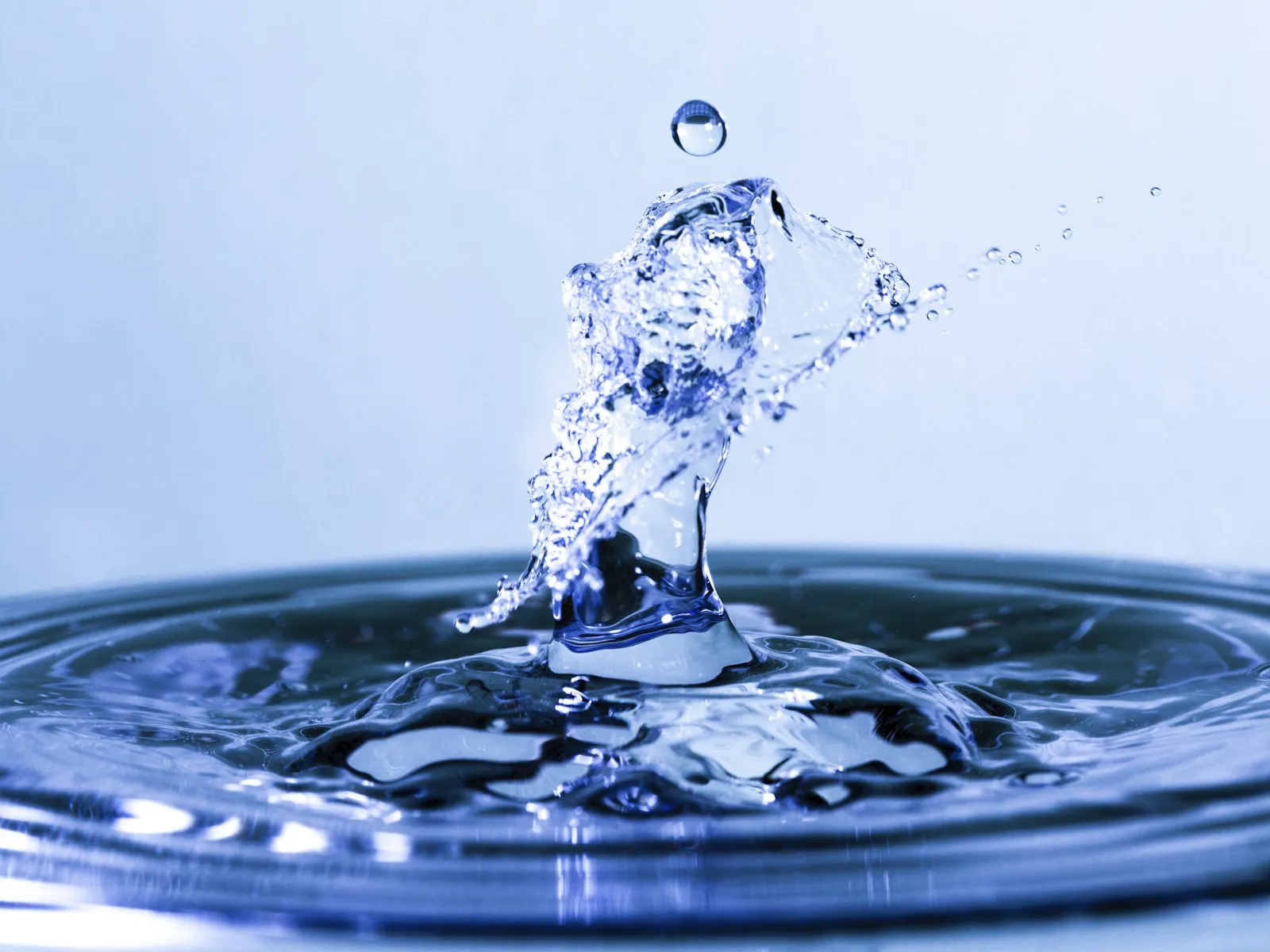
A flash burst lasts around a millisecond at full power, and far less at reduced power, often 1/10,000 of a second or shorter. Picture a dim room with your shutter set to 1/200. The ambient light is too weak to register much on the sensor. The only meaningful light your subject receives is that tiny burst. So even though the shutter was open for 1/200 of a second, your subject was effectively exposed for 1/10,000 of a second. The flash acted as a second, much faster shutter.
This is why dancers photographed with flash hang razor sharp in mid-air while the same shot by window light is a smear. Every flash photo is really two exposures stacked in one frame, an ambient exposure controlled by your shutter and a flash exposure controlled by that burst. How flash exposure works unpacks that mental model fully, and it's worth internalizing early.
There is one mechanical limit. Most cameras can only sync with flash up to around 1/200 to 1/250 of a second, because faster than that the shutter curtains never fully clear the sensor. Flash sync speed and high-speed sync explains the mechanics and the workaround. The short version is that high-speed sync lets you shoot faster shutter speeds by pulsing the flash rapidly, at a cost of roughly two stops of power or more.
Continuous light has no equivalent trick. To freeze motion you need a genuinely fast shutter speed, and a fast shutter needs lots of light, which is exactly what affordable panels can't provide. Your only lever left is cranking ISO and paying for it in noise.
The Power Gap in Stops
Stops make the comparison concrete, so here's a typical one.
Put a budget LED panel six feet from a subject in an average room and you'll often land around f/2, ISO 1600, 1/60. A speedlight at the same price, bounced off the ceiling in the same room, comfortably gives you f/4, ISO 200, 1/200. Count the difference. Two stops at the aperture, three stops at ISO, and the shutter went from risky to safe. That's a gap of more than five stops of usable light, from a device that costs the same money.
Flash also gives you room to throttle down. Power is set in fractions, from full power through 1/2, 1/4, 1/8, all the way down to 1/128 on most speedlights, and each halving is exactly one stop less light. That range means a single flash covers everything from lighting a room to adding a whisper of fill.
Both types of light obey the inverse square law. Double the distance from light to subject and the light spreads over four times the area, so your subject receives a quarter of it, a two stop loss. The difference is headroom. When a flash loses two stops to distance or to a diffuser, you turn the power dial up. When a small panel loses two stops, there's frequently no dial left to turn.
Heat, Batteries, and Logistics
Heat. Powerful LEDs generate real heat and need cooling fans, which adds bulk and, on video sets, noise. Older tungsten and halogen continuous lights get hot enough to be a hazard around modifiers and small rooms. A flash fires for a millisecond and stays cool all day.
Batteries. This decides location work. A speedlight shoots a full event on AAs. A panel bright enough to compete needs heavy dedicated batteries or mains power, which means you're now planning shoots around outlets.
Modifiers. Both types take softboxes, umbrellas, and diffusers, and the modifier guide applies to either. But diffusion taxes both sources the same stop or two, and only flash reliably has the power budget to pay it. A heavily diffused small panel often ends up too dim to be useful.
Consistency. Flash output is the same pop every time, regardless of what the room is doing. That repeatability makes editing a batch of images far easier.
The Video Crossover Question
This is where hybrid shooters get stuck, so here's the honest framing.
If video is half your work or more, buy continuous light first. A decent bi-color panel lights interviews, product clips, and talking heads, and it can limp along for stills when the subject holds still and the ISO can climb.
If video is occasional, buy flash for your stills and add a cheap panel later for the video jobs. A modest LED that's hopeless at freezing motion is still perfectly good at lighting a person sitting in a chair talking to a camera. Trying to make one continuous light serve serious stills work is the compromise that stings. Doing it the other way around barely hurts.
Matching the Tool to What You Shoot
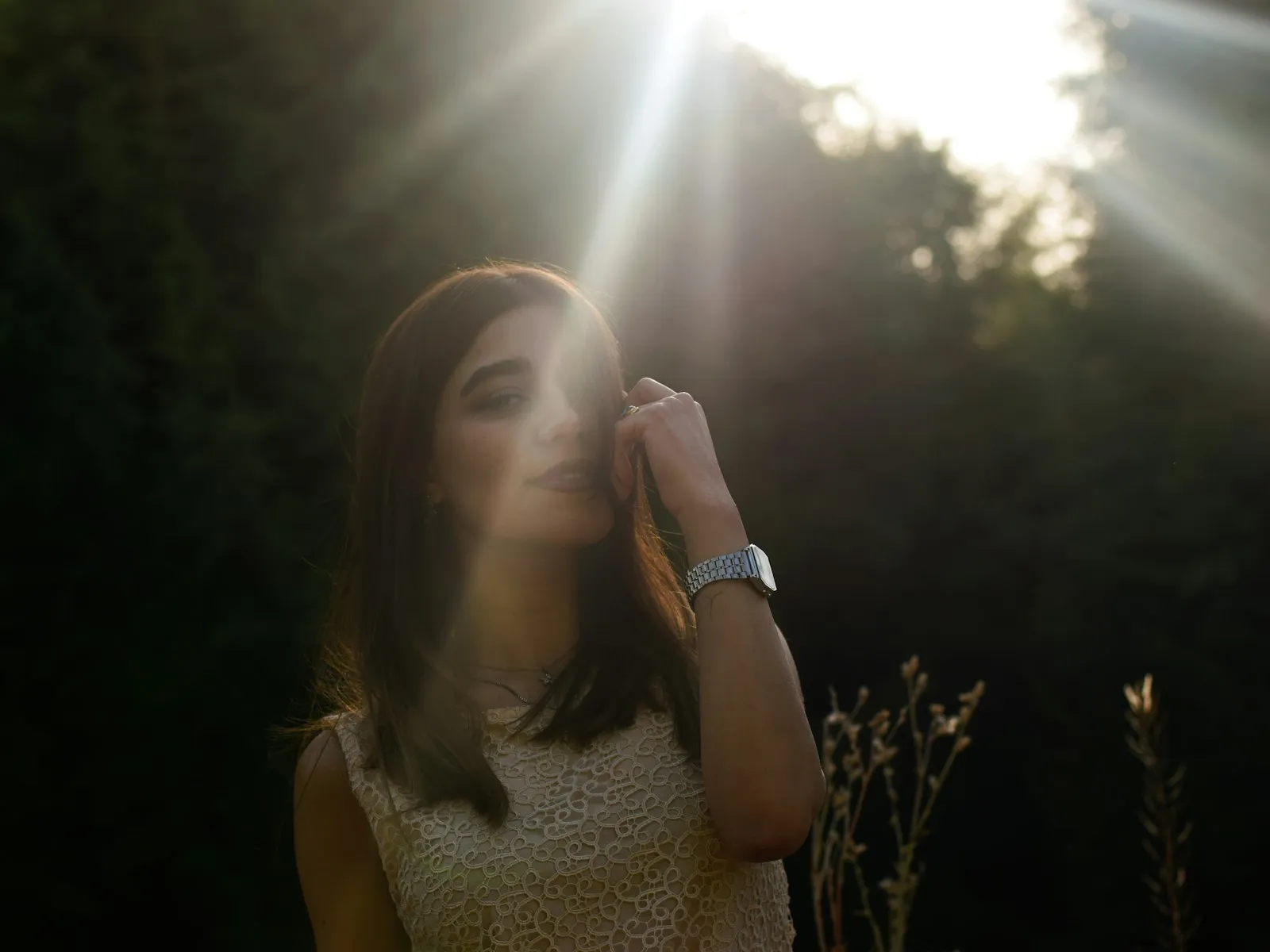
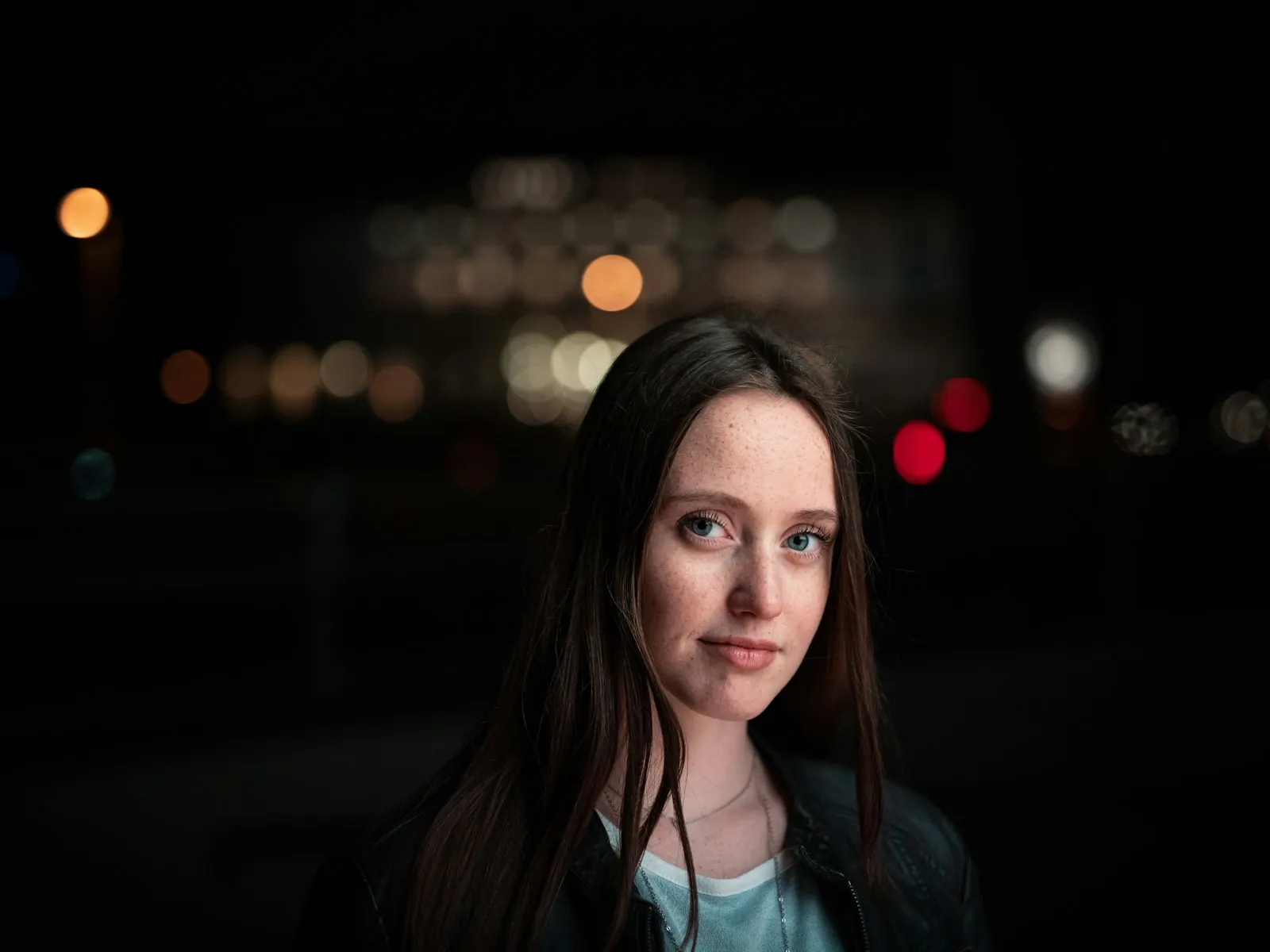
Portraits. Flash. The power headroom lets you use large modifiers, shoot at clean ISOs, and even overpower daylight. A single speedlight bounced off a ceiling or wall produces soft, flattering light that a same-priced panel can't approach.
Products. Either works, because products don't move. Continuous light is genuinely pleasant here, since you can watch reflections and shadows while you fuss with placement. Flash earns its keep when you need deep depth of field at base ISO.
Events and weddings. Flash, and it isn't a debate. Dim venues, moving people, and twelve hours on batteries describe a speedlight's exact job.
Food. Soft window light beats both for most plates. When there's no window, a small continuous panel or a diffused flash both work, and the static subject means continuous carries no real penalty.
Video. Continuous, by definition. Flash contributes nothing once the record button is pressed.
Hybrid shooters. You'll own both eventually. Buy first for the side of your work that pays, or the side you love most.
Which One to Buy First
Before buying either, remember the cheapest continuous light already exists in your house. A window is a giant soft source that costs nothing, and learning to find good light will improve your photos more than any purchase. Buy a light when you've hit the limits of the light you can find.
My take, having shot with both for years, is that stills photographers should start with a manual speedlight. It costs less than most panels, teaches you more, and grows with you into off-camera work, modifiers, and multi-light setups. Set it to 1/16 power, bounce it off the ceiling, look at the result, and adjust. Within a week the no-preview problem shrinks from frightening to mildly inconvenient. Within a month you'll be predicting the light before you fire it, which is the skill continuous light never forces you to build.
Choose continuous only if video is a real part of your work, or if seeing the light live is the thing that finally gets you to practice. The best light is the one you'll actually use.
Key Takeaways
- Choose flash when you need power, motion freezing, or battery-friendly portability, because its burst outmuscles any affordable LED panel.
- Pick continuous light when seeing the result before you shoot matters more than raw output, especially for video and product work.
- Remember that flash freezes motion with its burst duration, often 1/10,000 of a second, acting like a second shutter.
- Expect roughly five stops more usable light from a modest speedlight than from an LED panel at the same price.
More in This Guide
Continue building your flash skills.
Related Guides